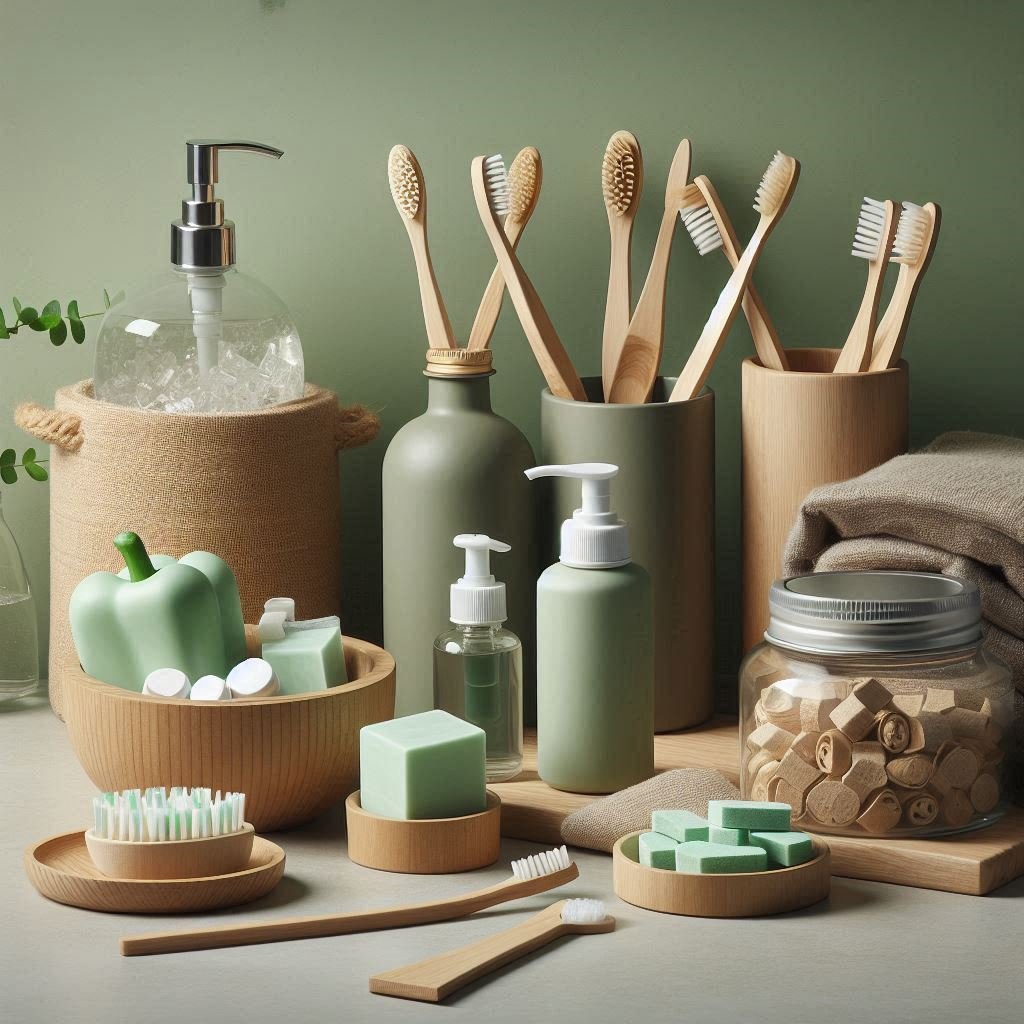
Table of Contents:
- Introduction: The Growing Need for Sustainable Oral Care
- What Is Zero-Waste Oral Care?
- The Environmental Impact of Traditional Oral Care Products
- Benefits of Toothpaste Tablets in a Zero-Waste Routine
- Choosing Between Fluoride and Fluoride-Free Toothpaste for Sustainability
- The Role of Bamboo Toothbrushes in Reducing Plastic Waste
- Complementary Zero-Waste Dental Tools: Tongue Scrapers, Floss, and More
- How Zero-Waste Oral Care Supports a Green Lifestyle
1. Introduction: The Growing Need for Sustainable Oral Care
As the world faces increasing environmental challenges, sustainability has evolved from a buzzword into a critical aspect of everyday life. From reducing food waste to embracing eco-friendly transportation, people are becoming more aware of the impact their actions have on the planet. Among these changes, the shift toward a zero-waste lifestyle has gained significant momentum. People are learning to rethink their consumption habits and adopt sustainable alternatives in every facet of their daily routines. But one area often overlooked in this shift is oral care.
Buy Toothpaste & Mouthwash Tablets. Enjoy 75% OFF - Limited Time Offer
Toothpaste tabs
Fresh Peppermint (With Fluorid)
$510
$
350
Only 2 units left on our site
-
Flavor: Fresh Peppermint
-
Quantity: Approximately 2500 Tabs
-
Fluoride: With Flourude-1440ppm
Sale
Toothpaste tabs
Fresh Peppermint (Fluoride-free)
$510
$
350
Only 1 units left on our site
-
Flavor: Fresh Peppermint
-
Quantity: Approximately 2500 Tabs
-
Fluoride: Fluoride-free
Sale
Toothpaste tabs
Remineralising Whitening
$510
$
350
Only 3 units left on our site
-
Flavor: Regular
-
Quantity: Approximately 2500 Tabs
-
Fluoride: Fluoride-free
Sale
Toothpaste tabs
For Kids - Buttermint
$510
$
350
Only 6 units left on our site
-
Flavor: Buttermint
-
Quantity: Approximately 2500 Tabs
-
Fluoride: With Flourude-1440ppm
Sale
Breath Mints
Sugar Free - Fresh Mint
$510
$
350
Only 1 units left on our site
-
Flavor: Fresh Mint
-
Quantity: Approximately 3630 Mints
-
Sugar: Sugar-free
Sale
Mouthwash tabs
Cool Mint (Fluoride-free)
$510
$
350
Only 3 units left on our site
-
Flavor: Cool Mint
-
Quantity: Approximately 2150 Tabs
-
Fluoride: Fluoride-free
Sale
Buy Toothpaste & Mouthwash Tablets. Enjoy 75% OFF - Limited Time Offer
Toothpaste tabs
Fresh Peppermint (With Fluorid)-
Flavor: Fresh Peppermint
-
Quantity: Approximately 2500 Tabs
-
Fluoride: With Flourude-1440ppm
Toothpaste tabs
Fresh Peppermint (Fluoride-free)-
Flavor: Fresh Peppermint
-
Quantity: Approximately 2500 Tabs
-
Fluoride: Fluoride-free
Toothpaste tabs
Remineralising Whitening-
Flavor: Regular
-
Quantity: Approximately 2500 Tabs
-
Fluoride: Fluoride-free
Toothpaste tabs
For Kids - Buttermint-
Flavor: Buttermint
-
Quantity: Approximately 2500 Tabs
-
Fluoride: With Flourude-1440ppm
Breath Mints
Sugar Free - Fresh Mint-
Flavor: Fresh Mint
-
Quantity: Approximately 3630 Mints
-
Sugar: Sugar-free
Mouthwash tabs
Cool Mint (Fluoride-free)-
Flavor: Cool Mint
-
Quantity: Approximately 2150 Tabs
-
Fluoride: Fluoride-free
Oral hygiene is an essential part of health and well-being. Yet, traditional oral care products contribute significantly to plastic pollution. Every year, billions of plastic toothbrushes are discarded, alongside countless toothpaste tubes, dental floss containers, and other disposable dental products. These items often end up in landfills or oceans, where they can take hundreds of years to decompose. The environmental cost of these products is substantial, contributing to the growing global issue of plastic waste.
In response to this challenge, zero-waste oral care has emerged as a viable solution. Zero-waste oral care involves using sustainable, plastic-free products that minimize waste and promote environmental responsibility. This shift to eco-friendly dental hygiene practices is not just about reducing plastic; it’s about rethinking the way we approach personal care and hygiene in a more conscious, responsible way.
One of the most popular zero-waste dental products is toothpaste tablets. These compact, effective alternatives to traditional toothpaste tubes eliminate the need for plastic packaging. By simply chewing a tablet and brushing with a wet toothbrush, individuals can maintain a thorough cleaning routine without contributing to plastic waste. In addition, toothpaste tablets often come in refillable, recyclable glass or metal containers, which further reduce the environmental impact.
The debate between fluoride and fluoride-free toothpaste also plays a key role in the zero-waste oral care movement. Fluoride toothpaste has long been a staple in maintaining dental health, but as more people seek natural alternatives, fluoride-free options have gained popularity. These eco-friendly options are typically free of synthetic chemicals, preservatives, and harmful ingredients that can also impact the environment when they enter waterways.
Bamboo toothbrushes have also become a key component of sustainable oral care. Unlike plastic toothbrushes, which take hundreds of years to degrade, bamboo toothbrushes are biodegradable and come in eco-friendly packaging. Many zero-waste enthusiasts have embraced bamboo toothbrushes as a simple but impactful way to reduce their plastic footprint. Furthermore, bamboo is a renewable resource, making it an ideal choice for sustainable living.
The importance of zero-waste oral care extends beyond the environmental benefits. By using natural products such as fluoride-free toothpaste and bamboo toothbrushes, individuals are also reducing their exposure to potentially harmful chemicals found in conventional oral care products. Ingredients like SLS (sodium lauryl sulfate) and artificial fragrances are common in mainstream toothpastes, and while they may contribute to a pleasant experience, they can also irritate the skin, gums, and even the digestive system. By opting for more natural products, users not only contribute to the environment but also prioritize their health.
The move toward zero-waste oral care is a significant step for those committed to a sustainable, green lifestyle. By choosing toothpaste tablets, bamboo toothbrushes, and other eco-friendly products, consumers can align their oral care routines with their broader environmental values. The impact of such small but meaningful changes is considerable, especially when adopted by a large number of people. It’s a shift that not only improves personal health but also contributes to the long-term health of our planet.
This article will explore the growing need for sustainable oral care and its role in promoting a green lifestyle. We will discuss the benefits of toothpaste tablets, fluoride and fluoride-free options, bamboo toothbrushes, and other eco-friendly dental tools. Additionally, we’ll provide practical advice for individuals looking to transition to a zero-waste oral care routine and explain how such choices can help reduce the environmental impact of our daily hygiene practices.
2. What Is Zero-Waste Oral Care?
Zero-waste oral care refers to the practice of using products and methods that aim to minimize waste and reduce environmental impact while maintaining effective oral hygiene. This approach is part of a broader movement toward sustainability, which advocates for reducing single-use plastic, conserving natural resources, and avoiding harmful chemicals in the products we use. Unlike traditional oral care routines that often rely on plastic packaging and disposable products, zero-waste oral care emphasizes reusable, recyclable, and biodegradable alternatives that benefit both personal health and the planet.
At the heart of zero-waste oral care is the idea of reducing waste from the moment you begin your daily routine. Traditional oral care products, such as toothpaste tubes, plastic toothbrushes, and floss containers, are made with materials that either cannot be recycled or take hundreds of years to break down. Toothpaste tubes, for example, are commonly made from a combination of materials such as plastic and aluminum, which makes them difficult to recycle. As a result, many end up in landfills, contributing to the growing issue of plastic pollution.
Zero-waste oral care seeks to eliminate or repurpose these items with more sustainable solutions. Toothpaste tablets, bamboo toothbrushes, natural floss alternatives, and eco-friendly mouthwash all contribute to a greener, more responsible way to care for your teeth. The primary goal is to choose products that have minimal or no impact on the environment, while also ensuring they are effective in maintaining good dental health.
One of the most significant aspects of zero-waste oral care is the switch from toothpaste in plastic tubes to toothpaste tablets. These small, chewable tablets are made from natural ingredients, and they come in reusable glass or metal containers. When you use them, all you need to do is chew the tablet and brush your teeth with a wet toothbrush, just like traditional toothpaste. This eliminates the need for tubes and packaging, as well as reducing the carbon footprint associated with producing, packaging, and transporting conventional toothpaste.
Bamboo toothbrushes are another core component of zero-waste oral care. Unlike plastic toothbrushes, which can take up to 400 years to break down in landfills, bamboo toothbrushes are fully biodegradable. The handle is made from bamboo, a fast-growing and renewable resource, and the bristles are often made from plant-based or recycled materials. Some bamboo toothbrushes even come with replaceable heads, which further reduces waste. These eco-friendly alternatives are just as effective at cleaning your teeth as plastic toothbrushes, making them an excellent choice for those seeking a more sustainable lifestyle.
In addition to toothpaste tablets and bamboo toothbrushes, other essential products in zero-waste oral care include floss and mouthwash. Traditional floss is often made from nylon, a non-biodegradable plastic, but eco-friendly alternatives exist in the form of silk or plant-based floss. These materials are compostable and far less harmful to the environment than their plastic counterparts. Similarly, mouthwash can be purchased in refillable glass bottles, cutting down on the waste generated by disposable plastic bottles.
Another important aspect of zero-waste oral care is the conscious avoidance of harmful chemicals. Many conventional oral care products, especially toothpaste, contain chemicals like sodium lauryl sulfate (SLS), triclosan, and artificial flavorings, which can be harmful to both human health and the environment. SLS, for example, is a foaming agent that can irritate sensitive gums and skin, while triclosan is an antimicrobial agent that can disrupt hormonal systems and contribute to antibiotic resistance. By choosing natural and organic oral care products, you not only reduce your exposure to these chemicals but also support a cleaner environment.
The zero-waste movement also emphasizes the use of refillable containers. Whether for toothpaste tablets, mouthwash, or dental floss, many eco-friendly brands offer refillable options to further minimize waste. For example, a company selling toothpaste tablets might provide refills that come in compostable packaging, allowing customers to reuse the original glass jar. This approach not only saves resources but also promotes long-term sustainability.
One key benefit of zero-waste oral care is that it often encourages consumers to be more mindful of their consumption. By shifting from single-use products to reusable, sustainable alternatives, individuals are encouraged to take a more intentional approach to their health and their environmental impact. This shift towards mindfulness is a core tenet of the zero-waste philosophy, which extends beyond oral care and into other areas of daily life.
Overall, zero-waste oral care is about making conscious, responsible choices that prioritize sustainability without compromising dental hygiene. The products and practices in this movement provide a practical way to reduce personal waste and environmental harm, contributing to a greener, more sustainable world. By choosing eco-friendly alternatives to traditional oral care products, individuals can significantly reduce their carbon footprint while promoting healthier lifestyles.
3. The Environmental Impact of Traditional Oral Care Products
The environmental impact of traditional oral care products is a growing concern, as many of the common items in our dental routines contribute significantly to pollution and waste. While these products serve an important function in maintaining oral hygiene, their design, materials, and packaging often fail to align with the principles of sustainability, resulting in harmful effects on the environment. Understanding these impacts is a crucial step in transitioning to more eco-friendly alternatives like zero-waste oral care.
One of the most pressing environmental issues with traditional oral care products is plastic waste. Toothpaste tubes, toothbrushes, and floss containers are made primarily from plastic, a material that takes hundreds, if not thousands, of years to decompose. According to estimates, approximately one billion plastic toothbrushes are thrown away every year in the United States alone. These toothbrushes end up in landfills, and many of them ultimately make their way into the ocean, contributing to the growing problem of plastic pollution. As plastic is not biodegradable, these toothbrushes persist in the environment for centuries, harming wildlife and ecosystems.
Toothpaste tubes are another major contributor to plastic waste. Many toothpaste brands use tubes made of a combination of plastic and aluminum, which is difficult to recycle. Even when toothpaste tubes are marked as recyclable, they often end up in the trash due to the difficulty in separating the mixed materials or the presence of residual product inside. As a result, billions of toothpaste tubes are disposed of each year, contributing to landfill waste. With billions of people worldwide brushing their teeth multiple times a day, the environmental toll of toothpaste packaging is substantial.
Floss containers, often made from plastic, pose similar environmental challenges. The floss itself is frequently made of nylon or other synthetic fibers, which are non-biodegradable and contribute to the growing plastic waste problem. While some brands have moved toward offering biodegradable floss options, the packaging—usually made from hard plastic—remains a significant issue. Most floss containers are designed for single use and are discarded after the floss runs out, adding to the volume of waste produced by traditional oral care products.
Beyond plastic waste, the chemicals found in traditional oral care products are another area of concern. Many commercial toothpastes contain ingredients such as sodium lauryl sulfate (SLS), parabens, triclosan, and artificial colorings. These chemicals are not only potentially harmful to human health but also detrimental to the environment. SLS, for example, is a surfactant that helps toothpaste foam, but it can be irritating to the skin and mucous membranes. Triclosan, an antimicrobial agent used in some toothpastes, has been linked to hormone disruption and environmental contamination. Studies have shown that triclosan can accumulate in water systems, where it affects aquatic life and contributes to the development of antibiotic-resistant bacteria.
In addition to their environmental impact, the production of traditional oral care products involves the use of natural resources. Plastic is derived from petroleum, a non-renewable resource, and the production of synthetic materials like nylon for floss and bristles requires energy and resources that contribute to greenhouse gas emissions. The transportation of these products, often packaged in plastic, further adds to their carbon footprint.
The packaging of traditional oral care products also raises concerns. Even if the product itself is made from recyclable materials, many oral care items come in multi-layered packaging that is not recyclable. For example, toothpaste tubes often have a thin plastic lining that prevents them from being processed through regular recycling streams. This means that even though toothpaste tubes may appear recyclable, they are often not accepted by most curbside recycling programs.
Furthermore, the sheer volume of disposable products used in oral care is staggering. It is estimated that a single person will go through several toothbrushes, tubes of toothpaste, and floss containers every year. When multiplied by the global population, the total amount of waste generated by oral care products becomes a significant contributor to the plastic pollution crisis.
In contrast, zero-waste oral care products help mitigate these environmental impacts by using sustainable materials and minimizing packaging. For example, bamboo toothbrushes are biodegradable and compostable, providing a solution to the plastic toothbrush problem. Toothpaste tablets come in refillable glass or metal containers, eliminating the need for plastic tubes altogether. Eco-friendly floss is available in compostable packaging and often uses silk or other biodegradable fibers. These alternatives help reduce plastic waste and harmful chemicals, while also minimizing the carbon footprint associated with production and transportation.
One of the most effective ways to address the environmental impact of oral care products is through conscious consumer choices. By opting for sustainable, zero-waste alternatives, individuals can significantly reduce their contribution to plastic pollution, chemical contamination, and resource depletion. As more people embrace zero-waste practices in their daily routines, the demand for eco-friendly oral care products continues to grow, making it easier for consumers to make responsible choices that align with a greener lifestyle.
4. The Rise of Sustainable Alternatives in Oral Care
As the environmental crisis continues to worsen, there has been a noticeable shift in consumer behavior towards sustainability in every aspect of life, including oral care. The demand for eco-friendly products is on the rise as more people become aware of the negative environmental impacts of traditional oral care items like plastic toothbrushes, toothpaste tubes, and disposable floss containers. In response, the market has seen a surge in the availability of sustainable alternatives that help reduce waste, minimize carbon footprints, and offer consumers more responsible choices.
One of the leading examples of this shift is the bamboo toothbrush, which has become a popular alternative to the traditional plastic toothbrush. Bamboo is a highly renewable resource, growing rapidly without the need for fertilizers or pesticides, making it an eco-friendly material for toothbrush handles. Unlike plastic, bamboo is biodegradable, meaning it will decompose naturally without leaving behind harmful pollutants. These bamboo toothbrushes are often paired with plant-based bristles, further reducing their environmental impact. Brands that specialize in sustainable oral care have capitalized on the popularity of bamboo toothbrushes by offering options that feature biodegradable packaging, allowing consumers to fully embrace zero-waste oral care.
Another rising star in the sustainable oral care industry is toothpaste tablets, which are an innovative and practical alternative to traditional toothpaste tubes. These small, pre-measured tablets are designed to be chewed and then used with a toothbrush, eliminating the need for plastic toothpaste packaging altogether. The tablets come in recyclable glass or metal containers, which can be refilled, further reducing waste. Toothpaste tablets are often free from harmful chemicals, like sodium lauryl sulfate (SLS) and parabens, making them a gentler, more natural option for those concerned about the impact of traditional toothpaste on both their health and the environment.
Toothpaste tablets are also available in fluoride and fluoride-free options, catering to those who prefer specific formulations based on their oral health needs. Many sustainable oral care brands offer fluoride-free toothpaste tablets, giving consumers the choice to avoid fluoride while still maintaining effective oral hygiene. Fluoride toothpaste remains a popular choice for many, as it helps prevent tooth decay by strengthening enamel and fighting cavities. However, the rise of fluoride-free alternatives reflects a growing preference for natural products and a desire to move away from potentially harmful ingredients. Sustainable, fluoride-free toothpaste options often include ingredients like baking soda, essential oils, and herbal extracts that promote oral health without relying on synthetic chemicals.
Eco-friendly floss has also gained traction in recent years. Traditionally, dental floss is made from nylon, a synthetic plastic that contributes to the plastic waste problem. In response, brands have developed biodegradable floss made from natural materials like silk, which can be composted after use. The packaging for these eco-friendly floss options is often plastic-free, with some brands offering floss stored in reusable metal or glass containers. This shift towards sustainable floss options is an important step in reducing the overall plastic waste generated by oral care routines.
In addition to bamboo toothbrushes, toothpaste tablets, and biodegradable floss, there is a growing interest in other sustainable oral care products like tongue scrapers, mouthwash tablets, and even toothpaste in powder form. Tongue scrapers, typically made from metal or bamboo, are an eco-friendly alternative to plastic tongue cleaning tools, which can contribute to microplastic pollution. Mouthwash tablets, similar to toothpaste tablets, dissolve in water and come in compostable or recyclable packaging, helping to eliminate the need for plastic bottles commonly associated with traditional liquid mouthwash.
The benefits of switching to sustainable oral care products go beyond just reducing plastic waste. Many of these alternatives are made with natural, non-toxic ingredients that are gentler on both the body and the planet. For example, many eco-friendly toothpaste tablets are free from artificial colors, flavors, and preservatives, offering a more holistic approach to oral hygiene. This focus on natural ingredients also extends to the packaging, with many sustainable oral care brands using recycled, recyclable, or compostable materials to create their products, further aligning with zero-waste principles.
A key reason for the rise in popularity of sustainable oral care products is the growing awareness of the environmental toll of single-use plastics and other non-biodegradable materials. Consumers are becoming more conscious of their purchasing decisions and the long-term consequences of their habits. As more people make the connection between their daily routines and the health of the planet, there is an increased demand for products that reduce waste, are made from renewable resources, and offer safer, cleaner alternatives to traditional oral care products.
The shift towards sustainable oral care also ties into broader environmental movements, such as the zero-waste and plastic-free living trends. These movements emphasize the importance of reducing consumption, reusing items, and recycling, all of which play a crucial role in minimizing waste and conserving resources. By switching to sustainable oral care products, consumers contribute to these larger environmental goals while also promoting personal health through cleaner, more natural ingredients.
In addition, many brands that offer sustainable oral care products are committed to ethical business practices. This includes using repurposed materials in packaging, supporting fair trade initiatives, and ensuring that their products are cruelty-free. This holistic approach to sustainability appeals to consumers who are not only interested in reducing their environmental impact but also in supporting companies that align with their values.
As the demand for sustainable alternatives continues to grow, the oral care industry is likely to see even more innovations in eco-friendly products and packaging. With advancements in biodegradable materials, refillable packaging systems, and cleaner formulations, the future of oral care is increasingly moving towards sustainability. For individuals seeking to live a greener lifestyle, making the switch to zero-waste oral care products is an essential step in reducing their environmental footprint.
5. The Environmental Impact of Traditional Oral Care Products
While oral care is essential to maintaining good hygiene and health, traditional oral care products, such as plastic toothbrushes, toothpaste tubes, and floss containers, have a significant environmental impact. As awareness of environmental sustainability grows, many people are now questioning the impact their everyday choices—such as those related to oral hygiene—are having on the planet. Understanding this impact is a crucial first step in transitioning to more eco-friendly alternatives that can help reduce waste and conserve natural resources.
One of the most visible culprits of environmental harm in traditional oral care products is plastic. Plastic toothbrushes, for example, are made from non-biodegradable materials that can take up to 400 years to decompose in landfills. Every year, billions of plastic toothbrushes are disposed of globally, contributing to the growing issue of plastic pollution. These plastic brushes often end up in the ocean, where they break down into smaller microplastics that harm marine life and ecosystems. Additionally, the synthetic bristles of most plastic toothbrushes are not recyclable, further exacerbating the environmental burden. While toothbrushes are a relatively small part of the plastic waste problem, their sheer volume and long decomposition time highlight the urgent need for sustainable alternatives.
Another major contributor to environmental degradation in oral care is toothpaste packaging. Traditionally, toothpaste is sold in plastic tubes, many of which are difficult to recycle due to their mixed-material composition. These tubes are often lined with aluminum, and the plastic caps and other components make it nearly impossible to separate for recycling. As a result, most toothpaste tubes end up in landfills, where they contribute to the growing pile of non-recyclable plastic waste. In fact, the average consumer uses several toothpaste tubes per year, leading to significant accumulation of waste that could be avoided with more sustainable options. The aluminum lining inside the tubes, while technically recyclable, is often coated with coatings that prevent it from being easily processed in most recycling facilities, making it another difficult-to-dispose-of material.
The impact of traditional oral care products doesn’t stop at packaging. Many conventional toothpastes contain synthetic ingredients, such as sodium lauryl sulfate (SLS), parabens, and triclosan, which are harmful not only to the environment but also to human health. These chemicals often end up in the water system after being washed off the teeth, where they can pollute waterways and affect aquatic life. SLS, for example, is a surfactant commonly used in toothpaste to create foam, but it can irritate sensitive skin and eyes and is harmful to aquatic organisms. Triclosan, an antibacterial agent found in some toothpastes, has been linked to negative effects on hormone regulation and the development of antibiotic-resistant bacteria. Additionally, many conventional toothpastes contain microbeads—small plastic particles used for added texture or exfoliation. These microbeads are not biodegradable and are too small to be filtered out of wastewater treatment systems, leading to further pollution of oceans and freshwater sources.
Floss, another commonly used item in oral hygiene routines, also contributes to environmental harm. Traditional dental floss is typically made from nylon or Teflon, both of which are synthetic, non-biodegradable materials. These flosses often come in plastic containers that are discarded after use, adding to the growing plastic waste crisis. Even if floss is disposed of properly, its non-biodegradable nature means it can persist in the environment for decades. Some brands have attempted to address this issue by offering biodegradable floss made from silk or other natural fibers. However, many consumers remain unaware of the environmental consequences of their floss choices, often continuing to purchase conventional plastic-based options.
Beyond the individual products, the production processes for these traditional oral care items also have a substantial environmental footprint. The manufacturing of plastic toothbrushes and toothpaste tubes requires the use of petrochemicals, which contribute to carbon emissions and the depletion of fossil fuels. These products often involve transportation over long distances, further increasing their environmental impact due to the energy consumed during shipping and distribution. The energy-intensive production processes, combined with the use of non-renewable materials, make traditional oral care products a significant contributor to global pollution and climate change.
In addition to the harmful effects on the environment, traditional oral care products also pose risks to human health. The chemicals used in conventional toothpastes and mouthwashes can irritate sensitive gums and contribute to long-term health concerns, such as the disruption of the body’s natural hormone balance or the creation of antibiotic-resistant bacteria. These synthetic chemicals, while effective at cleaning teeth in the short term, are not the safest or most sustainable choice for long-term oral health.
In light of these environmental and health concerns, the need for sustainable alternatives in oral care has never been more pressing. Zero-waste options such as bamboo toothbrushes, toothpaste tablets, and biodegradable floss represent a significant step forward in addressing the environmental crisis. These alternatives not only reduce plastic waste but also promote the use of natural, non-toxic ingredients, which are healthier for both consumers and the planet. As more people make the switch to eco-friendly oral care, we can begin to alleviate the strain that traditional products place on the environment, helping to build a cleaner, more sustainable future.
6. The Benefits of Switching to Zero-Waste Oral Care Products
Making the transition to zero-waste oral care products offers a multitude of benefits, both for the environment and personal health. As more people become aware of the environmental impact of traditional oral care products, many are choosing to embrace sustainable alternatives that promote long-term oral hygiene while reducing waste. Whether it’s switching to bamboo toothbrushes, toothpaste tablets, or natural floss, each small change can have a significant positive impact on the planet and one’s well-being.
6.1. Environmental Benefits
The most apparent benefit of switching to zero-waste oral care products is the reduction in plastic waste. Traditional oral care products such as plastic toothbrushes, toothpaste tubes, and dental floss containers contribute significantly to the plastic pollution crisis. By opting for sustainable alternatives, consumers can drastically reduce the amount of plastic that ends up in landfills and oceans. Bamboo toothbrushes, for example, are biodegradable and compostable, meaning they break down naturally without leaving behind harmful pollutants. This simple swap can reduce hundreds of plastic toothbrushes from entering the waste stream over the course of a year.
Similarly, toothpaste tablets are packaged in recyclable glass or aluminum containers, offering an eco-friendly alternative to traditional toothpaste tubes, which often end up in landfills due to their mixed-material design. These zero-waste containers, when disposed of correctly, can be recycled, reducing the overall environmental footprint of oral hygiene practices. Additionally, some toothpaste tablet brands are making strides by offering refillable options, further reducing waste by minimizing the need for new packaging altogether.
Another significant environmental benefit is the use of natural, plant-based materials in products such as floss. Traditional dental floss is often made from non-biodegradable synthetic fibers like nylon or Teflon, which contribute to the growing plastic pollution problem. Eco-friendly alternatives such as silk floss or floss made from plant-based fibers are biodegradable and come in recyclable or compostable packaging. By choosing these sustainable alternatives, consumers contribute to reducing the demand for plastic-based products and the harmful environmental impact associated with them.
6.2. Health Benefits
Beyond environmental considerations, switching to zero-waste oral care products can also improve personal health. Traditional oral care products often contain synthetic chemicals, artificial flavorings, and preservatives that can irritate sensitive gums or exacerbate allergic reactions. Ingredients such as sodium lauryl sulfate (SLS) found in many conventional toothpastes can cause irritation, dryness, and mouth ulcers in some people. By choosing toothpaste tablets or fluoride-free toothpaste options with natural ingredients, individuals can avoid these potentially harmful chemicals, promoting better oral health and minimizing irritation.
Furthermore, many zero-waste oral care products are formulated with natural ingredients that offer additional health benefits. For example, some toothpaste tablets are infused with essential oils, activated charcoal, or coconut oil, all of which provide natural antibacterial properties that help fight plaque and bacteria while also whitening teeth. Coconut oil, in particular, is known for its ability to promote oral health by reducing harmful bacteria in the mouth and supporting gum health through its anti-inflammatory properties.
Another health advantage of zero-waste products is that they often do not contain artificial sweeteners, preservatives, or colorants. These additives, commonly found in conventional toothpaste, may contribute to unwanted chemical exposure, potentially leading to long-term health concerns. Natural ingredients like aloe vera, mint, or chamomile in zero-waste toothpaste provide soothing and healing properties for the gums, improving overall oral hygiene in a more natural and holistic way.
Additionally, switching to products like bamboo toothbrushes can have a positive effect on gum health. Bamboo, being naturally anti-bacterial, reduces the growth of harmful bacteria on the bristles, offering a cleaner and more hygienic brushing experience. Moreover, the soft bristles of many bamboo toothbrushes are less abrasive than traditional nylon bristles, making them gentler on the gums and teeth. This helps reduce the risk of gum recession and enamel wear, which are often caused by aggressive brushing with hard-bristled toothbrushes.
6.3. Cost Savings Over Time
While some zero-waste oral care products may have a higher upfront cost than their traditional counterparts, they often lead to savings in the long run. For example, toothpaste tablets typically last longer than a traditional toothpaste tube because they are concentrated, requiring only one or two tablets for each use. This can save money over time, as consumers purchase fewer products throughout the year.
Similarly, bamboo toothbrushes, though initially more expensive than plastic alternatives, tend to last just as long and sometimes even longer. Their biodegradability also means that consumers can avoid purchasing replacement toothbrushes every few months, saving both money and waste. Additionally, many zero-waste oral care brands offer refillable options, such as toothpaste jars or floss containers, which help reduce ongoing packaging costs and contribute to a more sustainable oral care routine.
6.4. A Sense of Contribution to a Greater Cause
Making the switch to zero-waste oral care products can provide individuals with a sense of satisfaction and accomplishment. By consciously choosing sustainable options, consumers can feel like they are contributing to the fight against plastic pollution and environmental degradation. The awareness that their small change is part of a global movement towards a more sustainable lifestyle can be empowering. Additionally, many people find that using natural, eco-friendly products leads to a more mindful and intentional approach to personal care, encouraging them to make even more eco-conscious choices in other aspects of their lives.
7. How to Make the Transition to Zero-Waste Oral Care
Switching to a zero-waste oral care routine may seem like a daunting task at first, especially if you’re used to the convenience of traditional products. However, the transition can be easy and rewarding with a few simple changes. Whether you’re starting with small steps or making a complete overhaul of your oral care habits, the shift to zero-waste can help reduce your environmental footprint while promoting a healthier lifestyle. Here’s how you can make the transition smoothly:
7.1. Start by Switching One Product at a Time
For those new to zero-waste living, the most effective way to begin is by switching one product at a time. Start with the easiest change, such as switching your plastic toothbrush to a bamboo toothbrush. Bamboo is a fast-growing, renewable resource that offers a sustainable alternative to plastic, and bamboo toothbrushes are just as effective as traditional plastic ones for cleaning teeth. This small change can set the foundation for a more sustainable oral care routine.
Once you’re comfortable with your bamboo toothbrush, consider switching from conventional toothpaste in plastic tubes to toothpaste tablets or a fluoride-free paste in a glass jar. Toothpaste tablets, in particular, are gaining popularity for their portability and low-waste packaging. They dissolve when chewed or placed on a wet toothbrush, making them an ideal option for those looking to minimize their plastic consumption.
Another easy swap is floss. Traditional dental floss is often made from nylon or other non-biodegradable materials, but there are eco-friendly alternatives made from silk, coconut, or bamboo fibers. Many of these flosses come in recyclable or compostable containers, further reducing your waste. By focusing on replacing one product at a time, you can avoid feeling overwhelmed and gradually transition to a fully sustainable oral care routine.
7.2. Research Sustainable Brands
As more consumers opt for eco-friendly oral care products, numerous sustainable brands have emerged to offer high-quality, waste-free alternatives. When transitioning to zero-waste oral care, it’s important to research brands that align with your values and offer products that suit your personal needs. Look for brands that prioritize eco-friendly materials, refillable options, and minimal packaging. Many zero-waste oral care brands also focus on cruelty-free and vegan ingredients, ensuring that their products are both environmentally and socially responsible.
Reading customer reviews and researching a brand’s commitment to sustainability can help you make informed decisions. Additionally, some brands offer starter kits that include a variety of zero-waste products, such as bamboo toothbrushes, toothpaste tablets, floss, and more. These kits can be an excellent way to try out different products and find the best options for your oral care routine.
7.3. Choose Products with Recyclable or Compostable Packaging
One of the main components of a zero-waste lifestyle is reducing your reliance on disposable packaging. When shopping for oral care products, opt for those that use recyclable or compostable packaging. Many toothpaste tablets come in refillable glass jars or aluminum tins, which are far more eco-friendly than the typical plastic toothpaste tubes. Additionally, some zero-waste brands offer toothpaste refills, allowing you to reuse the same container over and over again.
Floss is another product that often comes in plastic packaging, but many eco-friendly alternatives are now available in glass or metal containers. Some companies even offer biodegradable floss made from natural materials, which breaks down over time and won’t contribute to landfill waste. Consider making your floss container last longer by refilling it with floss purchased in bulk, thus cutting down on waste.
When transitioning to zero-waste oral care, it’s crucial to check product labels for information on packaging and materials. This will help ensure that you’re making choices that align with your sustainability goals. Additionally, consider implementing a recycling program at home to ensure proper disposal of any recyclable packaging.
7.4. Incorporate DIY Natural Oral Care Remedies
If you’re looking for a way to further reduce your waste, consider incorporating DIY oral care remedies into your routine. For example, you can make your own toothpaste using simple ingredients like baking soda, coconut oil, and essential oils. DIY toothpaste can be stored in a reusable glass jar, which not only eliminates plastic waste but also gives you full control over the ingredients you’re using.
Another option is to create your own mouthwash using natural ingredients such as water, baking soda, and peppermint essential oil. Making your own mouthwash can help you reduce the number of plastic bottles in your bathroom, and it allows you to avoid synthetic chemicals that may be found in commercial mouthwash products.
If you’re looking for additional natural oral care remedies, castor oil has been shown to have beneficial effects on oral hygiene, including its ability to help reduce plaque and bacteria in the mouth. You can use castor oil as part of an oil pulling routine, which involves swishing oil around your mouth for several minutes to promote oral health. This technique not only helps whiten teeth but can also reduce the risk of gum disease and cavities.
7.5. Educate Your Family and Friends
One of the most effective ways to embrace zero-waste oral care is by encouraging others to join you in making the switch. Educating your family and friends about the environmental and health benefits of sustainable oral care products can help spread awareness and foster a greater sense of community. By sharing your experiences with zero-waste oral care products, you can inspire others to make the switch and reduce the collective environmental impact of traditional dental hygiene products.
You can also educate those around you on the importance of sustainable practices such as recycling, composting, and reducing plastic use. This collective effort can contribute to a larger movement toward a zero-waste lifestyle, ultimately making a significant difference in reducing plastic pollution and supporting the planet’s health.
8. The Future of Zero-Waste Oral Care and Sustainable Practices
As sustainability becomes an increasingly urgent global concern, the future of zero-waste oral care looks promising. More consumers are demanding environmentally responsible alternatives to traditional personal care products, and this shift is reshaping the oral care industry. In the coming years, we can expect to see significant advancements in sustainable practices, innovative products, and a growing commitment from companies to reduce their environmental impact. Let’s explore the future of zero-waste oral care and the role of sustainable practices in shaping the industry.
8.1. Increased Innovation in Sustainable Oral Care Products
The zero-waste movement has already sparked numerous innovations in oral care products, and the trend is likely to continue as more people embrace eco-friendly alternatives. We can expect to see new, innovative products designed to reduce waste and use natural, biodegradable materials. For example, companies may create toothpaste tablets in compostable packaging, reducing reliance on glass or plastic containers. These products would offer a more eco-conscious alternative for individuals who want the convenience of traditional toothpaste while minimizing their environmental footprint.
Furthermore, new types of floss are being developed from materials such as bamboo, coconut fiber, and biodegradable silk. As these materials become more widely available, consumers will have greater options for choosing floss that aligns with their sustainability goals. The future of sustainable oral care will see more variety in product offerings, ensuring that everyone has access to environmentally friendly alternatives regardless of their preferences or budget.
Additionally, eco-friendly toothbrush designs are likely to evolve further. While bamboo toothbrushes are currently the most popular choice, we may see the emergence of other materials, such as recycled ocean plastics, that can be repurposed into durable and biodegradable toothbrushes. The future of toothbrushes may also involve modular designs, where the handle can be reused, and only the bristles need to be replaced, further reducing waste.
8.2. Stronger Focus on Refillable and Bulk Options
One of the key areas for growth in zero-waste oral care is the expansion of refillable and bulk options. As people become more aware of the waste generated by single-use packaging, refillable solutions will play a significant role in the future of oral care. Brands that offer refillable toothpaste containers, floss dispensers, and mouthwash bottles will gain popularity as they provide consumers with the ability to reuse containers, reducing the need for disposable packaging.
Bulk buying will also become more common, especially for products like toothpaste tablets, which can be sold in large quantities without the need for individual packaging. By purchasing these products in bulk, consumers can reduce the amount of plastic waste associated with frequent small purchases. Refillable dispensers and bulk refill stations may become more accessible in stores and even available for home delivery, making it easier for consumers to maintain a sustainable oral care routine.
Sustainability-conscious consumers may also benefit from subscription services that send out refills of products like toothpaste tablets or biodegradable floss on a regular basis. This approach allows for convenient, waste-free consumption, while eliminating the need for consumers to purchase new products and packaging frequently.
8.3. The Role of Education and Consumer Demand
As with many other sectors, consumer demand will play a significant role in driving the growth of sustainable practices in oral care. As awareness of environmental issues increases, more people are beginning to recognize the importance of reducing their plastic consumption. This demand for sustainable products is encouraging companies to rethink their production processes, packaging, and ingredient sourcing.
The future of zero-waste oral care will also involve better education for consumers. Companies and environmental organizations can work together to raise awareness about the impact of traditional oral care products on the environment and how zero-waste alternatives can help mitigate these effects. This education will empower consumers to make informed decisions about the products they use and encourage them to take action in their own lives by adopting eco-friendly habits.
Social media, blogs, and influencer marketing will continue to play a large role in spreading the message about sustainable oral care. Influencers and eco-conscious communities are already sharing their experiences with zero-waste products, demonstrating that these alternatives are not only better for the planet but also effective and affordable. As more people become informed about the environmental costs of conventional oral care products, demand for zero-waste options will only grow stronger.
8.4. The Integration of Sustainability in Corporate Practices
In addition to consumer demand, the oral care industry will see a growing number of companies embracing sustainability as a core part of their business practices. Many leading oral care brands are already working to reduce their carbon footprints and improve their environmental impact. In the future, this trend is likely to expand as more companies invest in sustainable manufacturing processes, responsible sourcing of materials, and environmentally friendly packaging.
Some brands may adopt carbon-neutral practices, offsetting the emissions associated with the production, transportation, and disposal of their products. Additionally, brands will focus on transparency in their supply chains, allowing consumers to see where and how products are made, and whether sustainable practices are being followed at every stage. This transparency will foster trust and help consumers make more informed purchasing decisions.
As sustainability becomes a primary concern for businesses across industries, oral care companies that are slow to adapt may find themselves losing market share to more innovative, eco-conscious competitors. The future of zero-waste oral care will involve not only sustainable products but also sustainable practices throughout the entire industry, from sourcing raw materials to shipping products to consumers.
8.5. Collaboration Between Industry and Environmental Movements
The future of zero-waste oral care will also involve increased collaboration between industry players and environmental organizations. By working together, brands can help ensure that their products and practices align with global sustainability goals. These collaborations can lead to initiatives such as reducing plastic waste in landfills, supporting ocean cleanup efforts, and funding renewable energy projects.
The rise of corporate responsibility programs and partnerships with non-profits will help companies further their commitment to sustainability and promote positive environmental changes. Whether through donations to environmental causes, packaging innovations, or large-scale recycling efforts, these collaborations will be integral to the growth of sustainable oral care.
As the future of zero-waste oral care evolves, it is clear that sustainability will be at the forefront of industry innovation. By adopting sustainable practices and encouraging widespread change, the oral care industry has the opportunity to make a significant positive impact on the environment.