Table of Contents:
- Why Bamboo Toothbrushes Are the Future of Sustainable Dental Care
- How Do Bamboo Toothbrushes Compare to Plastic Toothbrushes?
- Are Bamboo Toothbrushes Effective for Oral Hygiene?
- The Environmental Impact of Bamboo Toothbrushes: What You Need to Know
- Can Bamboo Toothbrushes Be Used with Toothpaste Tablets and Other Eco-Friendly Products?
- How to Properly Dispose of Your Bamboo Toothbrush After Use
1. Why Bamboo Toothbrushes Are the Future of Sustainable Dental Care
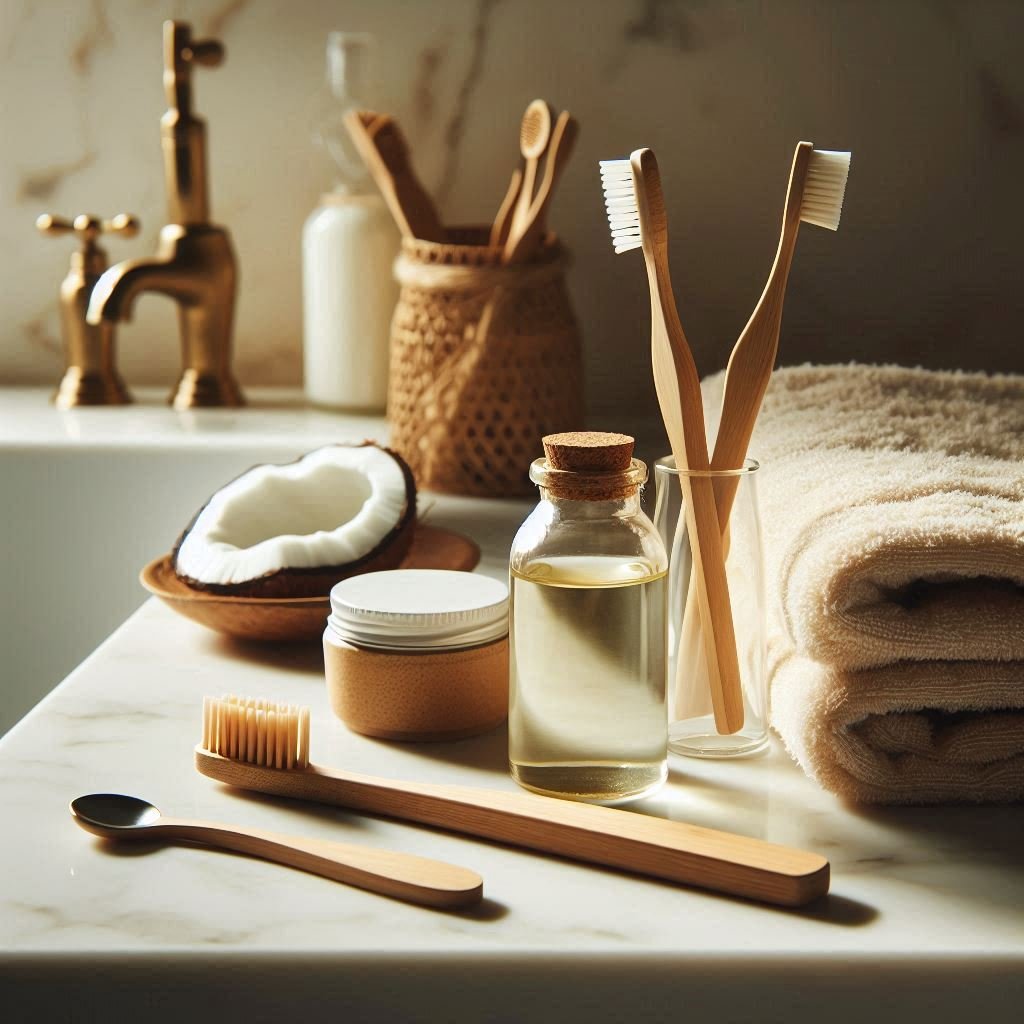
As a huge advocate for sustainable living, I was thrilled when I first came across bamboo toothbrushes. It wasn’t just the sleek, natural design that caught my eye, but also their potential to reduce plastic waste. A few years ago, I made the switch from traditional plastic toothbrushes to bamboo, and it’s one of the easiest changes I’ve made in my daily routine for the planet.
Bamboo toothbrushes are quickly becoming a go-to choice for those looking to reduce their carbon footprint without sacrificing quality or effectiveness in their dental care routine. What makes them stand out from the traditional plastic toothbrush is their eco-friendliness. Bamboo, a highly renewable resource, grows fast and doesn’t require the same amount of water or chemicals as other materials like plastic. This makes bamboo toothbrushes an eco-friendly alternative that’s both biodegradable and recyclable.
One of the main draws for me is the biodegradability of bamboo. Unlike plastic toothbrushes, which can take hundreds of years to decompose, bamboo toothbrushes break down in just a few months when exposed to the elements. This means no more contributing to the growing plastic waste in landfills. If you’ve been on the fence about making the switch to a more sustainable lifestyle, bamboo toothbrushes are an excellent starting point.
Buy Toothpaste & Mouthwash Tablets. Enjoy 75% OFF - Limited Time Offer
Toothpaste tabs
Fresh Peppermint (With Fluorid)
$510
$
350
Only 2 units left on our site
-
Flavor: Fresh Peppermint
-
Quantity: Approximately 2500 Tabs
-
Fluoride: With Flourude-1440ppm
Sale
Toothpaste tabs
Fresh Peppermint (Fluoride-free)
$510
$
350
Only 1 units left on our site
-
Flavor: Fresh Peppermint
-
Quantity: Approximately 2500 Tabs
-
Fluoride: Fluoride-free
Sale
Toothpaste tabs
Remineralising Whitening
$510
$
350
Only 3 units left on our site
-
Flavor: Regular
-
Quantity: Approximately 2500 Tabs
-
Fluoride: Fluoride-free
Sale
Toothpaste tabs
For Kids - Buttermint
$510
$
350
Only 6 units left on our site
-
Flavor: Buttermint
-
Quantity: Approximately 2500 Tabs
-
Fluoride: With Flourude-1440ppm
Sale
Breath Mints
Sugar Free - Fresh Mint
$510
$
350
Only 1 units left on our site
-
Flavor: Fresh Mint
-
Quantity: Approximately 3630 Mints
-
Sugar: Sugar-free
Sale
Mouthwash tabs
Cool Mint (Fluoride-free)
$510
$
350
Only 3 units left on our site
-
Flavor: Cool Mint
-
Quantity: Approximately 2150 Tabs
-
Fluoride: Fluoride-free
Sale
Buy Toothpaste & Mouthwash Tablets. Enjoy 75% OFF - Limited Time Offer
Toothpaste tabs
Fresh Peppermint (With Fluorid)-
Flavor: Fresh Peppermint
-
Quantity: Approximately 2500 Tabs
-
Fluoride: With Flourude-1440ppm
Toothpaste tabs
Fresh Peppermint (Fluoride-free)-
Flavor: Fresh Peppermint
-
Quantity: Approximately 2500 Tabs
-
Fluoride: Fluoride-free
Toothpaste tabs
Remineralising Whitening-
Flavor: Regular
-
Quantity: Approximately 2500 Tabs
-
Fluoride: Fluoride-free
Toothpaste tabs
For Kids - Buttermint-
Flavor: Buttermint
-
Quantity: Approximately 2500 Tabs
-
Fluoride: With Flourude-1440ppm
Breath Mints
Sugar Free - Fresh Mint-
Flavor: Fresh Mint
-
Quantity: Approximately 3630 Mints
-
Sugar: Sugar-free
Mouthwash tabs
Cool Mint (Fluoride-free)-
Flavor: Cool Mint
-
Quantity: Approximately 2150 Tabs
-
Fluoride: Fluoride-free
As the world becomes more eco-conscious, the demand for bamboo toothbrushes has skyrocketed. Many brands now offer bamboo toothbrushes with different features—some come with activated charcoal bristles for whitening, while others offer options for both fluoride and fluoride-free toothpaste users. So whether you’re looking for a toothbrush with fluoride or a non-fluoride toothpaste option, there’s a bamboo toothbrush to fit your needs.
Additionally, bamboo toothbrushes often come with ergonomic, bamboo handles that feel both sturdy and comfortable in your hand. They also look great on your bathroom counter! The natural aesthetics of bamboo help contribute to an overall calming, minimalist bathroom vibe—making it a pleasure to use daily.
I also love that bamboo toothbrushes are available in various forms, including those with different types of bristles—soft, medium, or firm. This makes it easier for everyone to find a brush that works for their dental hygiene needs. I personally prefer a soft bristle option, which is gentle on my gums and teeth but still highly effective at removing plaque.
2. How Do Bamboo Toothbrushes Compare to Plastic Toothbrushes?
When I first switched to a bamboo toothbrush, I was curious about how it would compare to the plastic ones I had been using for years. The truth is, while plastic toothbrushes are still the norm in many households, bamboo toothbrushes are quickly gaining traction due to their numerous advantages. From a practical perspective, both types of toothbrushes serve the same purpose: keeping your teeth clean. However, there are several key differences that make bamboo toothbrushes a superior choice when it comes to environmental impact and overall sustainability.
1. Environmental Impact: Bamboo vs. Plastic
One of the most significant differences between bamboo and plastic toothbrushes is their environmental footprint. Plastic toothbrushes are made from petroleum-based products and take hundreds of years to decompose in landfills. According to research, approximately 3.6 billion plastic toothbrushes are thrown away every year in the U.S. alone, contributing to the growing plastic waste crisis. On the other hand, bamboo toothbrushes are made from biodegradable bamboo, which decomposes within months when exposed to the elements.
The handle of a bamboo toothbrush is compostable, and many brands use plant-based materials for the bristles, though some still use nylon bristles. In comparison to plastic toothbrushes, which are non-biodegradable and end up clogging landfills, bamboo toothbrushes present a much cleaner and more sustainable alternative.
When I made the switch, I noticed a shift in my mindset. Not only was I doing something better for the planet, but I also felt a sense of pride in making a small but impactful change to my daily routine. Every time I tossed my used bamboo toothbrush into the compost bin, I knew that I was contributing to reducing plastic waste. This level of mindfulness is something I couldn’t fully appreciate when I used plastic toothbrushes without thinking about their long-lasting environmental consequences.
2. Durability and Effectiveness: Bamboo’s Performance
While bamboo toothbrushes are known for being environmentally friendly, I was also curious about their performance. Would a bamboo handle feel sturdy enough compared to the plastic brushes I was used to? Would the bristles perform just as well at cleaning my teeth?
To my pleasant surprise, bamboo toothbrushes work just as effectively as plastic ones, if not better. The bristles on most bamboo toothbrushes are made from nylon, a durable material that’s highly effective at cleaning teeth. They offer the same brushing experience as plastic toothbrushes, and in some cases, even feel gentler on the gums. My personal experience has been positive; I find the bristles to be soft enough to avoid irritating my gums but still strong enough to effectively remove plaque.
The bamboo handles themselves are just as sturdy as plastic brushes, though they can feel slightly more natural and comfortable in the hand. Some people worry that bamboo handles might crack or splinter over time, but I’ve had no issues with this. As long as you allow the toothbrush to dry properly after each use, it holds up well over time.
3. The Cost of Going Bamboo
One concern that many people have when switching to bamboo toothbrushes is the price. Bamboo brushes often cost more than their plastic counterparts, but when you factor in the environmental benefits and long-term durability, the investment feels worth it. I’ve found that bamboo toothbrushes are generally affordable and come in bulk packages that lower the cost per brush. Additionally, many companies offer subscription models, which makes it even easier to keep your eco-friendly habit consistent without having to remember to buy a new one every few months.
Though the upfront cost is slightly higher, I believe that investing in bamboo toothbrushes is a responsible and sustainable choice. The added cost is a small price to pay for making a positive impact on the environment. Plus, with the long-lasting durability of bamboo, you don’t have to replace your brush as often, making it an economical option over time.
4. Plastic-Free Packaging and Additional Eco-Friendly Benefits
Another reason I prefer bamboo toothbrushes over plastic ones is the packaging. While most plastic toothbrushes are wrapped in layers of plastic, bamboo toothbrushes are often sold in recyclable or biodegradable packaging. This further reduces the waste produced by your dental care routine. I’ve noticed that many eco-conscious companies offering bamboo toothbrushes go the extra mile by ensuring their packaging is either plastic-free or made from recycled materials. This, combined with the toothbrush’s sustainability, aligns perfectly with my goal of minimizing my carbon footprint.
Additionally, bamboo toothbrushes often come with bristle options that cater to different personal needs, such as soft bristles for sensitive teeth or medium to firm bristles for more aggressive plaque removal. Some even offer bamboo brushes designed to be compatible with toothpaste tablets, allowing for a zero-waste dental care routine.
3. Are Bamboo Toothbrushes Effective for Oral Hygiene?
When I made the transition to using bamboo toothbrushes, I was primarily driven by sustainability goals, but I also had a key concern: Would they actually be as effective as plastic toothbrushes in keeping my teeth clean and healthy? After all, oral hygiene is the number one priority when selecting a toothbrush. Thankfully, after using bamboo brushes for quite a while, I can confidently say that they are not only effective but may even offer some advantages over their plastic counterparts in certain cases.
1. Plaque Removal and Bristle Performance
The bristles of a bamboo toothbrush are typically made from nylon, which is the same material found in many plastic toothbrushes. Nylon is durable and flexible, offering an optimal balance between firmness and softness, making it great for cleaning teeth effectively. When I first tried the bamboo brush, I was surprised by how thoroughly it removed plaque and food particles from my teeth. The bristles are designed to reach all the nooks and crannies, just like any other toothbrush.
Personally, I opted for a soft bristle bamboo toothbrush, as I have sensitive gums. Even with the gentler bristles, I noticed a significant difference in how well my teeth felt after brushing—cleaner, smoother, and without irritation. The bamboo toothbrush has worked wonders on my gums, which tend to be prone to bleeding with harder bristles. So, if you’re concerned about effectiveness, you can rest assured that bamboo toothbrushes do their job just as well as their plastic counterparts.
In terms of brushing techniques, I’ve found that I get a better clean with bamboo brushes. The slightly more ergonomic feel of the bamboo handle means it’s easier to get the correct angle while brushing. Plus, the eco-friendly feel gives me a mental boost to brush more intentionally, resulting in a more thorough clean each time.
2. The Role of Bristles in Sensitivity and Gums
A significant advantage I’ve found with bamboo toothbrushes is their variety in bristle types. Many eco-conscious companies provide soft, medium, and firm bristles to suit different oral care needs. Since I tend to have more sensitive gums, a soft bristle bamboo toothbrush has been ideal for me. I noticed that using softer bristles felt gentler on my gums while still providing a good clean. In fact, I found the bristles to be more effective at removing plaque along my gumline without causing irritation.
This isn’t always the case with plastic toothbrushes, which tend to have stiffer, harsher bristles that can sometimes exacerbate gum issues, especially if you’re prone to gum recession. Over time, using a bamboo toothbrush with soft bristles has actually improved my gum health. For those who suffer from gum sensitivity, I highly recommend trying a soft-bristled bamboo toothbrush as it may provide a more comfortable brushing experience.
3. How Bamboo Toothbrushes Work with Non-Fluoride Toothpaste
One of the major reasons I made the shift to bamboo toothbrushes was to align with my natural lifestyle goals, which include using fluoride-free toothpaste. A significant misconception I had initially was that bamboo toothbrushes would be less effective when paired with non-fluoride toothpaste or toothpaste tablets. However, I was happy to discover that the combination worked beautifully.
I use a fluoride-free toothpaste, and the bamboo toothbrush still performs just as well. The bristles are efficient at creating a foamy lather with natural toothpastes or toothpaste tablets, allowing me to clean my teeth thoroughly. My teeth feel just as clean with non-fluoride toothpaste as they did with fluoride toothpaste. The key takeaway here is that regardless of whether you’re using a toothpaste with fluoride or one without, a bamboo toothbrush provides the same level of oral hygiene effectiveness.
I also noticed that when paired with fluoride-free toothpaste, my teeth felt noticeably fresher. This might be due to the fact that natural toothpaste options often contain ingredients like activated charcoal or coconut oil, which are known for their tooth-whitening properties. Bamboo toothbrushes work great with these natural ingredients because the bristles can effectively scrub away surface stains without damaging the enamel.
4. Can Bamboo Toothbrushes Handle Whitening and Other Treatments?
As someone who is always looking for natural ways to enhance my smile, I’ve used whitening toothpastes and gels in the past. At first, I wondered whether a bamboo toothbrush could handle the extra power needed for whitening treatments. I’ve since discovered that bamboo toothbrushes actually work great with teeth-whitening products.
The soft but sturdy bristles can be used to scrub away stains caused by coffee, tea, and other foods without wearing down enamel. I’ve also used bamboo brushes in conjunction with activated charcoal toothpaste, and they’ve performed just as well as plastic brushes when it comes to whitening effects.
The bamboo handle itself doesn’t affect the performance of whitening treatments, but using a brush with natural bristles may reduce the impact on your gums compared to brushes with more aggressive synthetic bristles. Over time, I’ve noticed that my teeth look brighter and feel cleaner, even without relying on harsh whitening products.
5. The Importance of Brushing Technique
No matter which type of toothbrush you use—bamboo or plastic—brushing technique plays a significant role in oral hygiene. That’s why I always recommend focusing on brushing your teeth for at least two minutes, making sure to reach all areas of the mouth. Whether you use a fluoride toothpaste or toothpaste tablets, the effectiveness of your bamboo toothbrush is directly tied to your brushing habits.
A bamboo toothbrush’s handle, which is naturally more lightweight than plastic ones, also provides an excellent opportunity to practice mindful brushing. I’ve found that the lighter feel encourages me to take my time and focus on brushing gently but thoroughly. This attention to detail has really helped me maintain a healthier smile with less effort.
4. The Environmental Impact of Bamboo Toothbrushes: What You Need to Know
When it comes to sustainability, one of the main reasons I chose to switch to bamboo toothbrushes was their minimal environmental footprint. It’s no secret that plastic waste is one of the most pressing environmental issues we face today, and every small change in our daily routines can make a big difference. For me, bamboo toothbrushes represented a straightforward way to reduce my personal plastic consumption without compromising my dental hygiene. But the environmental benefits of bamboo toothbrushes extend far beyond their biodegradable nature.
1. Bamboo: A Renewable Resource
Bamboo is one of the most sustainable materials available. It grows incredibly fast—some species can grow up to three feet in a single day—and it doesn’t require any fertilizers or pesticides to thrive. This makes bamboo a renewable resource that has far less environmental impact compared to materials like plastic, which are derived from non-renewable petroleum-based resources.
By choosing bamboo toothbrushes over traditional plastic ones, I feel confident that I’m supporting an industry that values sustainability. Since bamboo is naturally antibacterial and doesn’t require synthetic chemicals for growth, it also means that bamboo toothbrushes contribute to reducing the use of toxic pesticides that harm ecosystems. Additionally, bamboo requires far less water to grow compared to cotton or other natural materials, making it an environmentally efficient crop.
2. Biodegradability: Bamboo vs. Plastic
The most immediate environmental benefit of bamboo toothbrushes is their biodegradability. Unlike plastic toothbrushes, which can sit in landfills for up to 500 years, bamboo handles break down naturally in a matter of months. This makes bamboo toothbrushes a much more sustainable option for reducing long-term waste.
I used to feel guilty every time I threw out a plastic toothbrush, knowing that it would be around long after I was gone. The first time I tossed my bamboo toothbrush into the compost bin, I felt a sense of relief. Knowing that the brush would naturally break down instead of contributing to the growing plastic waste in landfills was a small but impactful change in my waste habits.
Although the bristles of most bamboo toothbrushes are still made from nylon, a synthetic material, some brands are working toward developing fully biodegradable bristles. As more research is conducted into natural alternatives for nylon, the hope is that even the bristles can eventually be composted, which would make the entire toothbrush 100% biodegradable.
3. Plastic-Free Packaging
In addition to the toothbrush itself, another reason bamboo toothbrushes win out in terms of sustainability is their packaging. Bamboo toothbrushes typically come in recyclable or compostable packaging, unlike plastic toothbrushes, which often come wrapped in layers of plastic. The minimal packaging associated with bamboo toothbrushes means less plastic waste entering the environment.
For example, my favorite bamboo toothbrush brand wraps each brush in a cardboard box that is recyclable, and some brands go the extra mile by using eco-friendly inks and dyes for the packaging. This reduction in plastic packaging is a significant environmental advantage over plastic toothbrushes, which often come individually wrapped in plastic, further exacerbating plastic waste.
4. Reducing Carbon Footprint
Not only does bamboo’s rapid growth rate reduce the amount of fossil fuels required for its cultivation, but it also has a lower carbon footprint compared to plastic toothbrushes. The production of plastic requires a significant amount of energy, and since plastic is derived from petroleum, its extraction and refinement contribute to greenhouse gas emissions. In contrast, bamboo requires much less energy to process and transport. This difference in energy consumption is one of the reasons bamboo toothbrushes are considered a more carbon-efficient option.
By using bamboo toothbrushes, I feel like I’m reducing my personal contribution to global warming. I’ve found that making small, sustainable choices—like using bamboo instead of plastic—adds up over time and collectively has a positive impact on the environment.
5. Supporting Sustainable Brands
As a consumer, I try to support brands that prioritize sustainability, and the bamboo toothbrush industry is full of companies that take this mission seriously. Many of these brands focus on more than just producing a great product—they’re also dedicated to ensuring that their supply chains are ethical and environmentally friendly. This means they source bamboo responsibly, often from farms that prioritize fair trade and sustainable practices. Some even partner with environmental organizations to promote reforestation efforts or clean water initiatives.
My personal experience has shown me that supporting sustainable brands can be as rewarding as it is impactful. Every time I buy a bamboo toothbrush, I feel like I’m casting my vote for a cleaner, more sustainable planet. Many brands also offer subscription services, which reduce packaging waste by delivering your toothbrushes to your door in reusable or compostable packaging. This small shift to a zero-waste lifestyle has made a big difference in my household.
6. Creating a Circular Economy: Recycling and Repurposing Bamboo Toothbrushes
While bamboo toothbrushes are highly sustainable, one concern I had initially was how to properly dispose of them when they reach the end of their life. Fortunately, many brands have come up with innovative ways to repurpose and recycle bamboo toothbrushes. For example, some companies offer recycling programs where you can send your old brushes back to be reused or repurposed into other products.
In my own experience, I’ve started repurposing the handles of old bamboo toothbrushes as plant markers in my garden. This not only keeps the bamboo out of the landfill but also gives it a second life. I’ve also seen people use old bamboo brushes to clean tight spaces around the house, from the grout in the bathroom to small crevices in the car. These ideas not only help to minimize waste but also contribute to a circular economy, where products are reused, recycled, and given new purposes.
5. How to Choose the Right Bamboo Toothbrush for Your Needs
As someone who has embraced the sustainable lifestyle, choosing the right bamboo toothbrush wasn’t as straightforward as I thought it would be. With so many options on the market today, it can be overwhelming to decide which one is best for your specific oral care needs. After trying out several brands and types, I’ve learned that the right bamboo toothbrush depends on a few key factors: bristle type, handle style, sustainability practices of the brand, and additional features. Here’s my guide to selecting the perfect bamboo toothbrush.
1. Bristle Type: Soft, Medium, or Firm?
When I first switched to bamboo toothbrushes, I didn’t realize just how important bristle type would be in my overall experience. It turns out that choosing the right bristle type can make a significant difference in your comfort and effectiveness during brushing.
- Soft Bristles: If you have sensitive gums or teeth, soft bristles are your best bet. Soft bristles are gentle on your gums and enamel while still offering effective plaque removal. I personally use a soft-bristled bamboo toothbrush because my gums tend to bleed with firmer bristles, especially if I’m brushing too hard. Soft bristles allow for a more comfortable brushing experience while still cleaning thoroughly.
- Medium Bristles: Medium bristles are a great option for those who don’t have sensitive teeth but still want a brush that provides a deeper clean. This bristle type is generally a good middle ground for people who like a bit more firmness but don’t want to risk irritating their gums.
- Firm Bristles: While I wouldn’t recommend firm bristles for those with gum sensitivity, they can be useful for people who want a more aggressive clean or for those with braces. Firm bristles are more abrasive and are excellent at removing stubborn plaque and food particles.
For me, choosing a bamboo toothbrush with soft bristles was the key to finding a toothbrush that both supports my eco-friendly goals and keeps my gums healthy.
2. Handle Style: Traditional or Ergonomic?
The handle style of a bamboo toothbrush can affect how comfortable it is to use, especially if you plan to brush your teeth for a couple of minutes each time. While bamboo handles are generally more lightweight than plastic ones, the shape and design can vary greatly. I found that ergonomic handles can make a big difference in terms of grip and comfort.
- Traditional Handles: Most bamboo toothbrushes have a simple, straight handle. This classic design is lightweight and fits well in most hands, though I did find it a bit slippery at times, especially when my hands were wet. This wasn’t much of a problem once I got used to it, but if you have larger hands or need a firmer grip, you might prefer something with a more contoured or textured handle.
- Ergonomic Handles: Some bamboo toothbrushes come with handles that are shaped for a more comfortable, natural grip. These often have a slight curve or texture that makes them easier to hold, particularly if you have smaller hands or are looking for a better overall brushing experience. I’ve found that ergonomic handles help reduce hand fatigue during longer brushing sessions, making them ideal for people who tend to brush their teeth longer than the recommended two minutes.
3. Sustainability of the Brand
One of the most important factors for me when choosing a bamboo toothbrush is the sustainability practices of the brand. Many companies are now offering bamboo toothbrushes, but not all of them are created equal in terms of ethical sourcing and eco-friendly manufacturing practices. It’s crucial to choose a brand that aligns with your environmental values.
I researched several brands before making my decision, and I focused on the following criteria:
- Sustainable Bamboo Sourcing: I made sure to choose a brand that sources its bamboo from sustainable, responsibly managed forests. Some bamboo is grown in non-ideal conditions or requires large amounts of water and pesticides. Sustainable brands typically use bamboo that’s grown without harmful chemicals and that doesn’t contribute to deforestation.
- Packaging: Many bamboo toothbrush brands are now committed to using minimal or compostable packaging. I made sure to choose one that didn’t rely on excessive plastic or non-biodegradable materials for packaging. Opting for brands with paper-based packaging, or no packaging at all, was important in my decision.
- Social and Environmental Initiatives: Some brands go the extra mile to give back to the community or the environment. Whether it’s through reforestation projects, partnerships with ocean cleanup organizations, or supporting fair trade practices, I found that I felt better about supporting brands that contributed positively to the planet.
4. Special Features: Whitening, Infused Bristles, or Activated Charcoal?
Bamboo toothbrushes aren’t just eco-friendly—they also come with a variety of special features that can enhance your brushing experience. When selecting the right bamboo toothbrush for me, I considered these additional features:
- Activated Charcoal: Some bamboo toothbrushes are infused with activated charcoal bristles. Charcoal is known for its natural whitening properties and ability to absorb impurities, so it can be an excellent addition for people looking for a brighter smile. While I haven’t personally used a charcoal-infused bamboo toothbrush, I’ve heard great things from friends who have. It’s a great option for those interested in more natural whitening options.
- Colorful Bristles: If you enjoy a bit of color, there are bamboo toothbrushes available with colored bristles. While the bristles themselves are still typically made from nylon, the addition of color can make your toothbrush feel more personal or stylish. This is an especially fun option for kids, as it can make brushing more engaging.
- Tongue Scrapers and Other Add-Ons: Some bamboo toothbrushes come with added features, like a built-in tongue scraper on the handle. I found this to be an incredibly useful tool for maintaining fresh breath. Tongue scraping helps remove bacteria and food particles from the tongue, which is often overlooked during routine brushing. If you’re looking for a multi-functional tool, this could be the perfect choice.
5. Price and Durability
Bamboo toothbrushes are generally affordable, but there can be a noticeable difference in price depending on the brand and features. In my experience, it’s worth spending a little more on a high-quality bamboo toothbrush that will last longer and perform better. Some of the more expensive options tend to have longer-lasting bristles or more eco-friendly packaging, which can justify the extra cost.
In terms of durability, I’ve found that bamboo toothbrushes can last just as long as plastic toothbrushes when used correctly. I typically change my toothbrush every three months, and I haven’t noticed any significant wear or breakage with the bamboo ones I’ve used.
6. The Future of Bamboo Toothbrushes: Trends and Innovations in Sustainable Oral Care
The journey of sustainability in oral care is far from over, and bamboo toothbrushes are at the forefront of this movement. As a long-time user of bamboo toothbrushes, I’ve seen how this humble product has evolved over the years. From simple designs to innovative features, there are exciting trends emerging in the bamboo toothbrush industry that could further revolutionize the way we think about oral hygiene and sustainability. Here’s a look at what the future holds for bamboo toothbrushes and sustainable dental care.
1. Fully Biodegradable Toothbrushes: The Next Step
One of the biggest challenges with bamboo toothbrushes today is the bristles. Although the handle is fully biodegradable, the bristles are typically made from nylon, a synthetic material that is not compostable. This has left many eco-conscious consumers like myself wondering when we’ll see fully biodegradable bristles.
The good news is that the industry is working on it. Some companies are already experimenting with plant-based bristles made from materials like castor oil or bamboo fibers. While these alternatives are still in the early stages, there’s a lot of potential for creating completely compostable toothbrushes in the near future. I’ve been eagerly watching the development of these new bristle materials and hoping that, in the future, my entire toothbrush will break down naturally.
In addition to plant-based bristles, some brands are also looking into natural coatings for bamboo handles that would make them even more durable while still being environmentally friendly. These innovations promise a more sustainable product from start to finish, allowing consumers like me to feel fully confident that their toothbrushes are leaving no harmful impact on the planet.
2. Enhanced Sustainability Through Circular Economy Models
The concept of a circular economy, where products are reused and repurposed instead of discarded, is gaining traction in the bamboo toothbrush industry. More and more brands are offering subscription models or recycling programs to help close the loop on toothbrush waste.
For instance, I’ve started using a bamboo toothbrush subscription service that delivers new brushes to my door at regular intervals and allows me to return old brushes for recycling. Some companies even offer incentives for returning used toothbrushes, such as discounts on future purchases. This not only ensures that the toothbrushes are disposed of properly but also encourages consumers to make more sustainable choices by reducing their overall consumption.
The future of bamboo toothbrushes lies in making sure that the materials used in production and the products themselves are recycled, reused, and given a second life. I’m excited to see how more brands integrate circular economy principles into their business models and how this could reduce the environmental impact of oral care even further.
3. Bamboo Toothbrushes with Eco-Friendly Innovation: Multi-Functionality
As consumers become more aware of the environmental challenges we face, there is a growing demand for multifunctional, eco-friendly products. Bamboo toothbrushes are no exception. In the future, we can expect to see toothbrushes that combine even more features to reduce waste and enhance the sustainability of our daily routines.
For example, I’ve recently seen bamboo toothbrushes with removable heads, which means that only the head needs to be replaced instead of the entire brush. This type of innovation could dramatically reduce the amount of bamboo waste produced, especially for people who use toothbrushes more frequently or have families with multiple users.
Additionally, bamboo toothbrushes may begin incorporating more sustainable materials into their handles, such as recycled wood or bio-based plastics. These alternatives could make the toothbrush even more eco-friendly, particularly for people who are hesitant to use bamboo for various reasons.
4. More Focus on Cruelty-Free and Vegan Oral Care
As the demand for cruelty-free and vegan products grows, many bamboo toothbrush companies are starting to consider not just the material of their brushes, but also the ethics behind their manufacturing processes. I’ve noticed that many brands are now offering vegan-friendly bamboo toothbrushes, which means they are not only free from animal-derived ingredients but are also produced in a way that avoids animal testing.
In the future, I expect to see even more cruelty-free and vegan-certified bamboo toothbrushes. Brands will likely continue to refine their ethical sourcing practices, ensuring that their products are not just eco-friendly but also kind to animals. This is an important trend for consumers like me who want to align their personal care habits with their values.
5. Collaboration with Other Sustainable Products
Another exciting trend in the bamboo toothbrush space is the collaboration with other sustainable oral care products, such as eco-friendly toothpaste tablets, natural floss, and biodegradable tongue scrapers. I’ve already seen brands start to bundle bamboo toothbrushes with other sustainable oral care items in subscription boxes, and I think this trend will continue to grow.
For example, my favorite brand recently released a complete oral care kit that includes a bamboo toothbrush, toothpaste tablets (with fluoride or fluoride-free options), a biodegradable tongue scraper, and floss made from plant-based materials. These kits make it easy to switch to an entirely eco-friendly oral care routine, and I love that I don’t have to spend time hunting for other sustainable products.
As the demand for sustainable personal care products continues to rise, I expect more collaborations between companies, resulting in even more convenient, zero-waste oral care solutions.
6. Technological Advances in Packaging and Materials
As with all industries, the future of bamboo toothbrushes will also likely be influenced by technological advancements in materials and packaging. While bamboo toothbrushes have already moved away from plastic packaging in favor of paper or compostable materials, there are still opportunities to improve the sustainability of packaging even further.
In the near future, I believe we will see innovations like biodegradable, edible packaging or packaging made entirely from repurposed materials like ocean plastic. Advances in material science could lead to new types of biodegradable coatings for both bamboo handles and bristles that are even more effective at resisting wear and tear, extending the lifespan of the toothbrush.
As these technologies become more widely adopted, I’m hopeful that even the smallest packaging waste associated with bamboo toothbrushes will become a thing of the past.
With all these exciting trends and innovations, the future of bamboo toothbrushes looks incredibly promising. As sustainability continues to take center stage in the personal care industry, bamboo toothbrushes will undoubtedly remain a key player. I’m excited to see how these trends evolve and to continue supporting brands that prioritize both our planet and our oral health.