Table of Contents:
- The Environmental Impact of Traditional Toothpaste: A Wake-Up Call
- Toothpaste Tablets: A Sustainable Solution Taking Center Stage
- Fluoride vs. No Fluoride: Navigating the Toothpaste Aisle
- Beyond the Paste: Exploring Eco-Friendly Dental Essentials
- My Personal Experience: The Transition to Toothpaste Tablets
- Addressing Common Concerns: Taste, Texture, and Effectiveness
- The Future of Oral Hygiene: Innovation and Sustainability
1. The Environmental Impact of Traditional Toothpaste: A Wake-Up Call
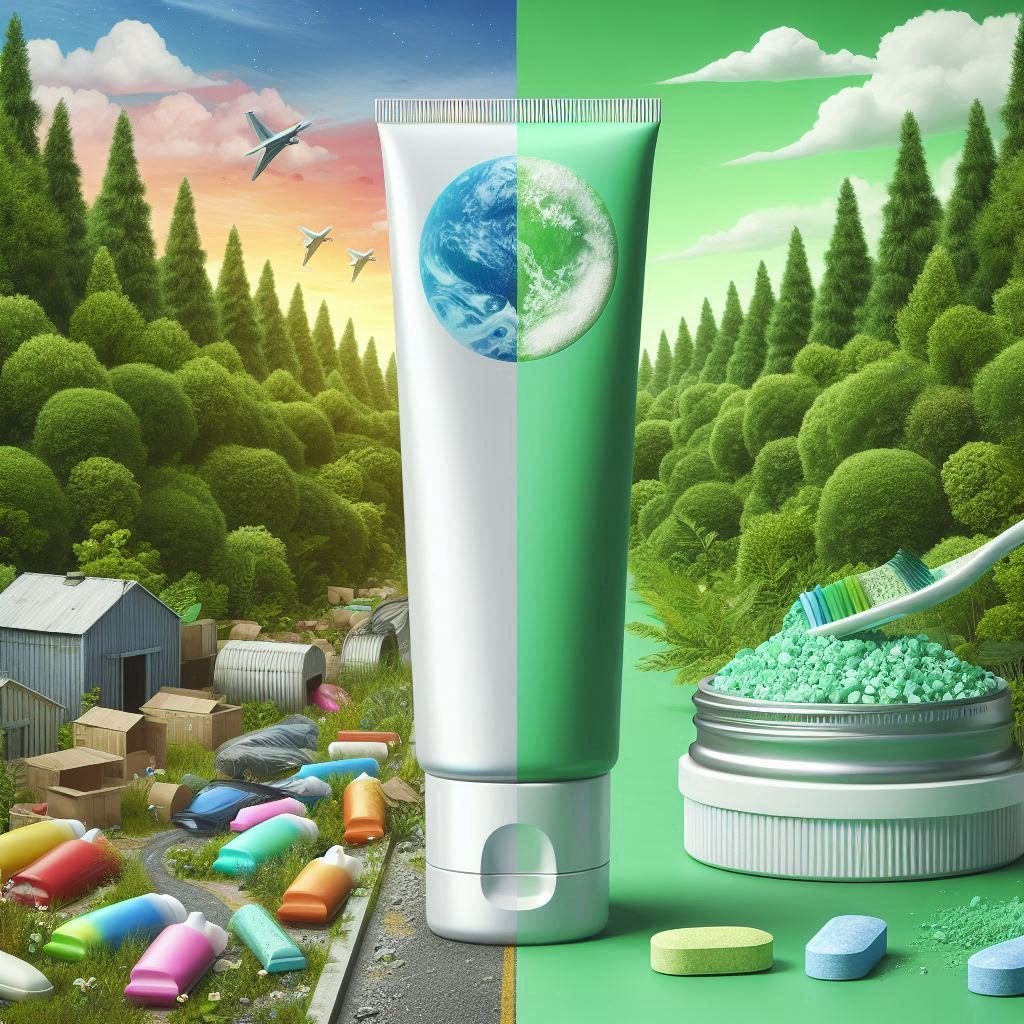
Let’s be honest; I used to grab whatever bright, minty toothpaste tube caught my eye at the supermarket. Never once did I really consider the environmental cost. Then I started reading about the plastic waste generated by billions of tubes annually. The sheer volume is staggering, considering that many tubes are not effectively recycled. Plastic doesn’t simply disappear; it lingers for hundreds, even thousands of years in landfills, leaching chemicals into the soil and harming wildlife. This realization was my initial push towards finding more sustainable alternatives.
Buy Toothpaste & Mouthwash Tablets. Enjoy 75% OFF - Limited Time Offer
Toothpaste tabs
Fresh Peppermint (With Fluorid)
$510
$
350
Only 2 units left on our site
-
Flavor: Fresh Peppermint
-
Quantity: Approximately 2500 Tabs
-
Fluoride: With Flourude-1440ppm
Sale
Toothpaste tabs
Fresh Peppermint (Fluoride-free)
$510
$
350
Only 1 units left on our site
-
Flavor: Fresh Peppermint
-
Quantity: Approximately 2500 Tabs
-
Fluoride: Fluoride-free
Sale
Toothpaste tabs
Remineralising Whitening
$510
$
350
Only 3 units left on our site
-
Flavor: Regular
-
Quantity: Approximately 2500 Tabs
-
Fluoride: Fluoride-free
Sale
Toothpaste tabs
For Kids - Buttermint
$510
$
350
Only 6 units left on our site
-
Flavor: Buttermint
-
Quantity: Approximately 2500 Tabs
-
Fluoride: With Flourude-1440ppm
Sale
Breath Mints
Sugar Free - Fresh Mint
$510
$
350
Only 1 units left on our site
-
Flavor: Fresh Mint
-
Quantity: Approximately 3630 Mints
-
Sugar: Sugar-free
Sale
Mouthwash tabs
Cool Mint (Fluoride-free)
$510
$
350
Only 3 units left on our site
-
Flavor: Cool Mint
-
Quantity: Approximately 2150 Tabs
-
Fluoride: Fluoride-free
Sale
Buy Toothpaste & Mouthwash Tablets. Enjoy 75% OFF - Limited Time Offer
Toothpaste tabs
Fresh Peppermint (With Fluorid)-
Flavor: Fresh Peppermint
-
Quantity: Approximately 2500 Tabs
-
Fluoride: With Flourude-1440ppm
Toothpaste tabs
Fresh Peppermint (Fluoride-free)-
Flavor: Fresh Peppermint
-
Quantity: Approximately 2500 Tabs
-
Fluoride: Fluoride-free
Toothpaste tabs
Remineralising Whitening-
Flavor: Regular
-
Quantity: Approximately 2500 Tabs
-
Fluoride: Fluoride-free
Toothpaste tabs
For Kids - Buttermint-
Flavor: Buttermint
-
Quantity: Approximately 2500 Tabs
-
Fluoride: With Flourude-1440ppm
Breath Mints
Sugar Free - Fresh Mint-
Flavor: Fresh Mint
-
Quantity: Approximately 3630 Mints
-
Sugar: Sugar-free
Mouthwash tabs
Cool Mint (Fluoride-free)-
Flavor: Cool Mint
-
Quantity: Approximately 2150 Tabs
-
Fluoride: Fluoride-free
Then there’s the packaging itself. Often, toothpaste tubes are layered with multiple materials, making recycling incredibly difficult, if not impossible. Even if a tube is technically recyclable, the reality is that many facilities aren’t equipped to process them efficiently. This lack of robust recycling infrastructure contributes significantly to the overall plastic waste problem. The production of the tubes themselves also demands energy and resources, adding to their overall carbon footprint.
And what about the ingredients? Many traditional toothpastes contain harsh chemicals, like sodium lauryl sulfate (SLS), known to irritate the gums and potentially contribute to environmental pollution. Even the manufacturing process often relies on heavy machinery, consumes vast amounts of water and energy, and can potentially emit harmful greenhouse gasses.
It all started clicking for me when I stumbled upon an article discussing the shocking statistics around toothpaste packaging. The sheer amount of plastic ending up in landfills and oceans was alarming, making me re-evaluate my everyday habits. I considered that the small contribution I could make in avoiding another plastic tube might influence others to follow suit and I realized we need to challenge these traditional practices and actively search for solutions with minimal impact on the planet. Finding better, more planet friendly choices, like toothpaste tablets and using only those I really need is a small gesture that is significant in helping this challenge.
2. Toothpaste Tablets: A Sustainable Solution Taking Center Stage
The first time I tried toothpaste tablets, I was slightly apprehensive. The concept of a solid, pill-like toothpaste seemed… unusual. However, curiosity got the better of me, and I took the plunge. The difference from my routine of squeezing the traditional toothpaste was significant!
One of the most immediate benefits was the drastically reduced environmental impact. Toothpaste tablets typically come in compostable or recyclable packaging, significantly decreasing the plastic waste. A tiny jar, perhaps made from recycled glass or plant-based plastic, holds what would be several tubes of traditional paste, therefore using fewer raw materials and resources to produce, lessening the burden on our resources and landfills. This small change immediately made a huge difference in my conscience. The switch to tablets is the equivalent of several steps closer to being zero-waste for your personal routine.
Aside from packaging, toothpaste tablets also reduce the transportation needs compared to traditional tubes. The reduction in volume significantly lessens transportation costs as there’s minimal packaging involved, resulting in a lowered carbon footprint overall. Smaller packaging also implies lesser requirements for fuel during shipping and the need for manufacturing equipment with lower processing rates, saving materials and electricity during manufacturing. Less weight overall in distribution to shelves means lessened carbon footprint as well.
The tablets themselves often include all-natural and biodegradable ingredients which add to their eco-friendliness and contribute positively to sustainable practices. This resonates closely with my values, as I prioritize eco-friendly choices that align with my lifestyle choices of reducing plastic and carbon waste and my search to improve overall health using all-natural products whenever feasible.
3. Fluoride vs. No Fluoride: Navigating the Toothpaste Aisle
Choosing toothpaste is even more complicated, as deciding whether to go for fluoride or fluoride-free also contributes to eco-conscious purchases. The fluoride debate is extensive; let’s address it now. I personally had several questions regarding its necessity as it seems to be somewhat of a taboo discussion that we often fail to question.
Fluoride toothpaste is still considered the gold standard for cavity prevention by the majority of dentists globally. Fluoride’s addition helps remineralize and strengthen teeth enamel, making them less susceptible to cavities and acid attacks. Numerous scientific studies back up this claim, indicating its effectiveness in protecting dental health. For years I always opted for the fluoride options as it seems that that’s always the best choice – even now I prefer using it, given the readily-available studies backing up its usage and effectiveness. For children, its protective value can help keep decay at bay by promoting healthier teeth.
However, there’s a growing segment of the population favoring fluoride-free options. Concerns about potential negative health effects related to fluoride ingestion over many years prompted many to search for healthier, and sustainable, choices, for many years – it always felt a little like the mainstream method and less personal choice in some way for me personally. Some argue that fluoride’s presence can harm the enamel or increase mineral build-up or cause certain negative systemic side effects after exposure over extended periods. It’s a concern that needs to be reviewed carefully and responsibly, understanding how this impacts sustainability. While fluoride’s benefits in preventing cavities are unquestioned, opting for fluoride free allows a more conscious choice of being mindful of the overall wellness of your family and health practices. There is not an obvious winner and the decision ultimately lies with the user, the health professional, and lifestyle preferences of the individual user.
The bottom line? Both options – fluoride and non-fluoride – can be made with more sustainable practices. Many fluoride toothpaste brands are improving their packaging, ingredients, and even offering refillable tubes and sustainable alternatives to tackle the issues at the forefront in helping our planet, helping everyone remain informed. With the growing number of toothpaste tablet manufacturers offering both fluoride and non-fluoride formulations, finding a sustainable and personally suitable choice becomes much easier, creating several conscious, earth friendly purchases with each choice, making eco-friendly decisions within reach!
4. Beyond the Paste: Exploring Eco-Friendly Dental Essentials
My journey to sustainable dental hygiene extended far beyond just toothpaste. Replacing several different components can improve our impact towards a healthier lifestyle and planet. In addition to toothpaste tablets, other seemingly smaller improvements played a vital role in my journey.
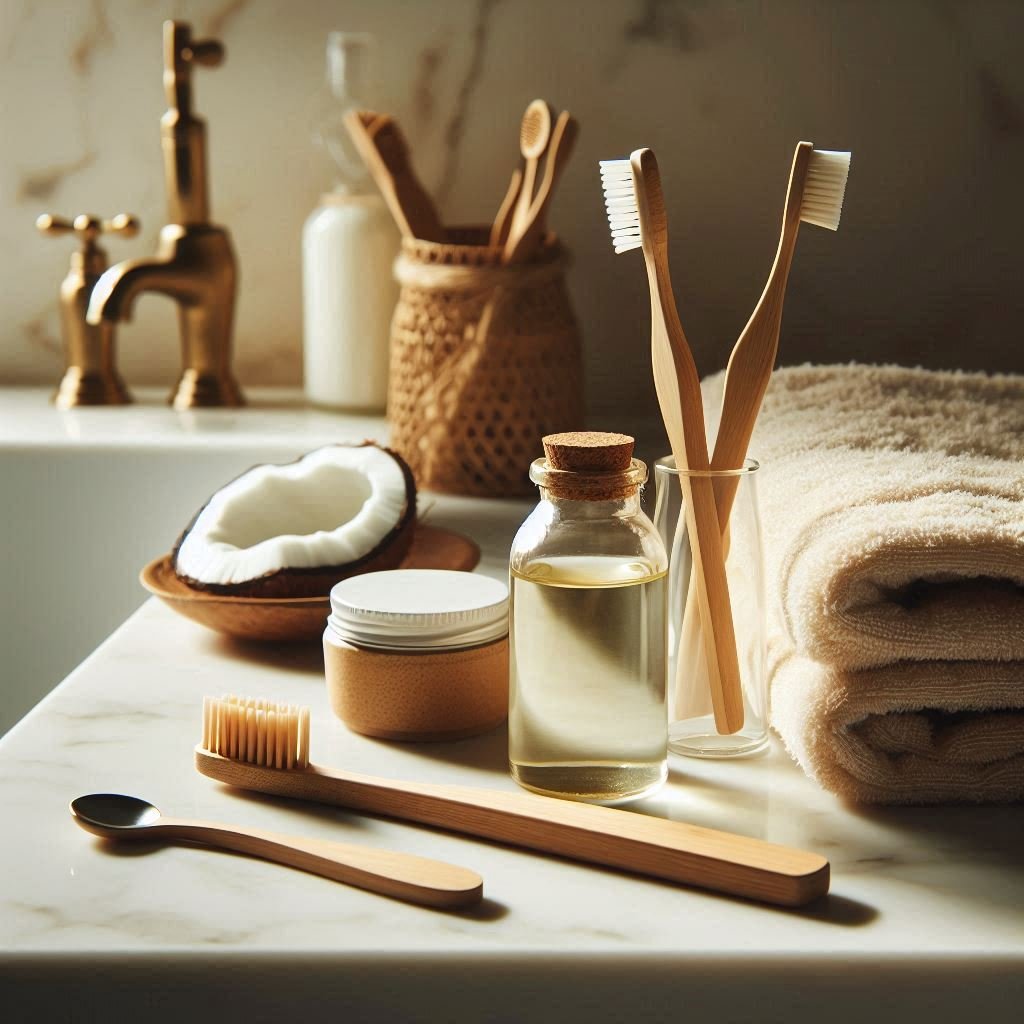
Switching to a bamboo toothbrush is a no-brainer. Bamboo is a fast-growing, renewable resource unlike plastic. The end result makes a drastic difference – not using plastic contributes enormously to lessening waste and reduces impact by avoiding petroleum-based production and all associated negative impacts. The transition is painless, surprisingly. Bamboo toothbrushes are readily available, often featuring soft bristles that effectively and gently cleans, reducing overall brush-related irritation. The cost difference between traditional plastic versions and the sustainable alternative is nearly insignificant. In fact, it has surprisingly not impacted my personal budget in a significant manner, even when factored over a longer duration.
I’ve also discovered the joy of reusable floss. This seemed like another seemingly smaller impact on a planetary level, and yet again, replacing it provided greater sustainability! Unlike plastic floss, which takes centuries to decompose, I’m now using options made from sustainable materials like silk or plant-based fibers – even floss from recycled plastic is emerging as a very helpful substitute that will contribute positively to better earth management and sustainable solutions.
The convenience factor makes all of the sustainable swaps worthwhile for me.
The other improvement in the process? A tongue scraper! I previously only utilized toothpaste; this step adds value, particularly to ensuring that any residue, unwanted bacteria, and coating is cleared before ending a brushing routine. Many traditional metal options are made to be sturdy and easily sterilized – several are now available in stainless steel and similar materials that support lasting use and recycling whenever it becomes necessary – another sustainable and lasting switch.
These small but impactful swaps contributed significantly to reducing my reliance on single-use plastics and supporting companies that prioritise sustainability – I found the sustainable versions felt a lot more empowering, offering personal fulfillment aside from purely planetary environmental goals!
5. My Personal Experience: The Transition to Toothpaste Tablets
Switching from traditional toothpaste to toothpaste tablets wasn’t as difficult as I’d initially anticipated. Yes, there was a slight adjustment period. The texture took a little getting used to. Initially, the immediate grinding effect felt more forceful in the mouth; my teeth needed some adjusting in a way! Once the effect passed it was nearly similar, even compared to what I already was familiar with in routine use. But that initial “different feel” of using tablets, as an initial effect, has since become completely irrelevant – completely inconsequential now, years after switching. In time, the slight abrasiveness subsided – It ended up feeling similar enough to be nearly exactly what I was used to, eventually becoming another part of the routine, a familiar activity that wasn’t necessarily different in the longer run.
My concern was whether my teeth would be fully cleaned or feel adequately refreshed – this question was answered relatively quickly! Using a toothpaste tablet requires more effort as it needs a certain degree of gentle manipulation – It encourages you to fully pay attention to your process. You need to be certain that you coat each and every tooth evenly. It may need an even distribution across the teeth to provide the expected cleanness; my process requires brushing meticulously, more carefully than before; ensuring each and every nook and cranny of each individual tooth receives attention; This meticulous application is almost like a form of additional flossing action itself, effectively helping in better removal of the plaque, further making it feel satisfying. The tablets require more work on my part which may feel strange in the first few weeks – however the result is almost indistinguishable – nearly indistinguishable compared to my pre-transition routine.
After the adaptation phase, what surprised me the most was the unexpected additional benefits: I became far more conscientious during brushing, leading to significantly more thorough cleaning! It almost feels akin to visiting the dental hygienist in the same level of intensity – although one cannot replace that with such small scale self care steps. With an increased mindfulness towards the whole process, this transition eventually improved my overall brushing routine by necessity. This was unexpected but proved itself to be a worthwhile added benefit of switching to this cleaner version.
Beyond the environmental advantages, my transition led me down the rabbit hole of improving my hygiene overall – with improved attention paid to ensuring a fully complete mouth clean.
6. Addressing Common Concerns: Taste, Texture, and Effectiveness
Many people are initially hesitant to switch to toothpaste tablets due to concerns about taste, texture, and overall effectiveness. I admit that initially the unfamiliar texture of the dissolving tablets did seem very unconventional, very strange initially compared to the traditional paste! But as mentioned, those differences were significantly decreased after a short adaptation period and were quickly negligible to me, personally. With more mindfulness, it ends up contributing to thorough brushing which provides even better overall cleaning, and the same, pleasant result of minty fresh breath is also just as readily experienced!
Concerning the taste and variety, many companies are creating flavored tablets. The taste experience, as it differs initially, is ultimately quite personal – for a short time I missed the initial familiarity of squeezing traditional toothpaste out. The initial difference in textures may feel peculiar as well. However these were far surpassed by a significantly enhanced understanding of the importance of mindful, effective teeth-cleaning.
Beyond initial concerns with texture and unfamiliar tactile sensation when comparing directly with paste-style products, some also remain concerned with tablet’s supposed ineffective ability to thoroughly clean teeth due to the tablets’ seeming inability to be used similarly, directly like a conventional toothpaste – although this difference is only notable in how it applies – the efficacy ends up being remarkably similar. The thoroughness of cleaning depends on the way of use of a tablet product: meticulous attention ensures each and every crevice of your mouth is taken care of by being certain that an equal spread is used. A larger and careful manipulation and coverage ensure the end result mirrors a pre-existing paste based routine. In effect this almost allows even superior teeth care, as additional time and attention to spread may end up providing surprisingly comparable result and even a more thoroughly covered teeth cleaning than before.
Regarding effectiveness, my experience and several studies that were referenced earlier prove to dispel that doubt; I have been happy to find the tablets just as effective at cleaning my teeth, keeping breath fresh, preventing plaque buildup. With thorough brushing the result may prove better compared to past efforts and provides just as positive experience! Several well-regarded brands exist and offer a fluoride variant or a fluoride free product based on a choice – selecting a trusted brand will also help assure effectiveness and quality, in addition to the ethical and planet friendly characteristics which are expected! It truly just depends on your preferences and research prior to selecting and attempting usage – there will inevitably be an equally effective, yet more sustainable alternative!
7. The Future of Oral Hygiene: Innovation and Sustainability
The shift towards sustainable oral hygiene products is gaining momentum. Toothpaste tablets are just one example of a wave of innovative products designed to reduce waste and prioritize the planet’s health, without negatively impacting quality of end result! I believe we are in for more eco-friendly options that provide identical quality but at lower, lasting cost and less pollution or footprint over time. We will probably even observe more sustainable practices and ingredients which become far more common, commonplace, and even encouraged over time, leading to further developments that may continue evolving in coming years.
Refills will become even more available in the coming years, contributing in even better management of overall ecological sustainability goals, further decreasing landfill waste – many sustainable product lines offer such systems now as their contribution. This trend is very promising to myself and aligns exactly with my pursuit of less plastic waste and overall, healthier habits for not only myself, but also my impact on the overall ecosphere in which we exist. We will likely have far less plastic tubes which will be eventually considered almost outdated compared to alternative materials – far more innovation based on re-usable materials can be predicted in coming decades and even the use of further sustainably managed natural resources like recycled plastics or sustainably produced and processed plants – helping contribute greatly to long term goal fulfillment of cleaner habits!
Ultimately, the shift towards sustainable dental care practices requires individual action. Each one of us can consciously change the products we use and ensure greater sustainable choice by replacing certain habits – from toothpaste selection to improved use of oral hygiene devices like toothbrush or flossing habits. Through making responsible and mindful choices, each consumer creates the effect of contributing directly to greater systemic changes on larger scale; this is particularly significant by considering every purchase one makes as a “vote” toward contributing a change, for even just the one habit! The adoption of sustainable choices will have larger consequences when practiced widely – the cumulative effects lead towards meaningful positive steps for the overall sustainability effort globally! My switch to toothpaste tablets was a personal statement in adopting sustainable dental care and supporting brands committed to doing their part towards environmental protection.