Table of Contents:
- What Is Fluoride and How Does It Work?
- The Benefits of Fluoride in Toothpaste Tablets
- The Potential Risks of Fluoride in Toothpaste Tablets
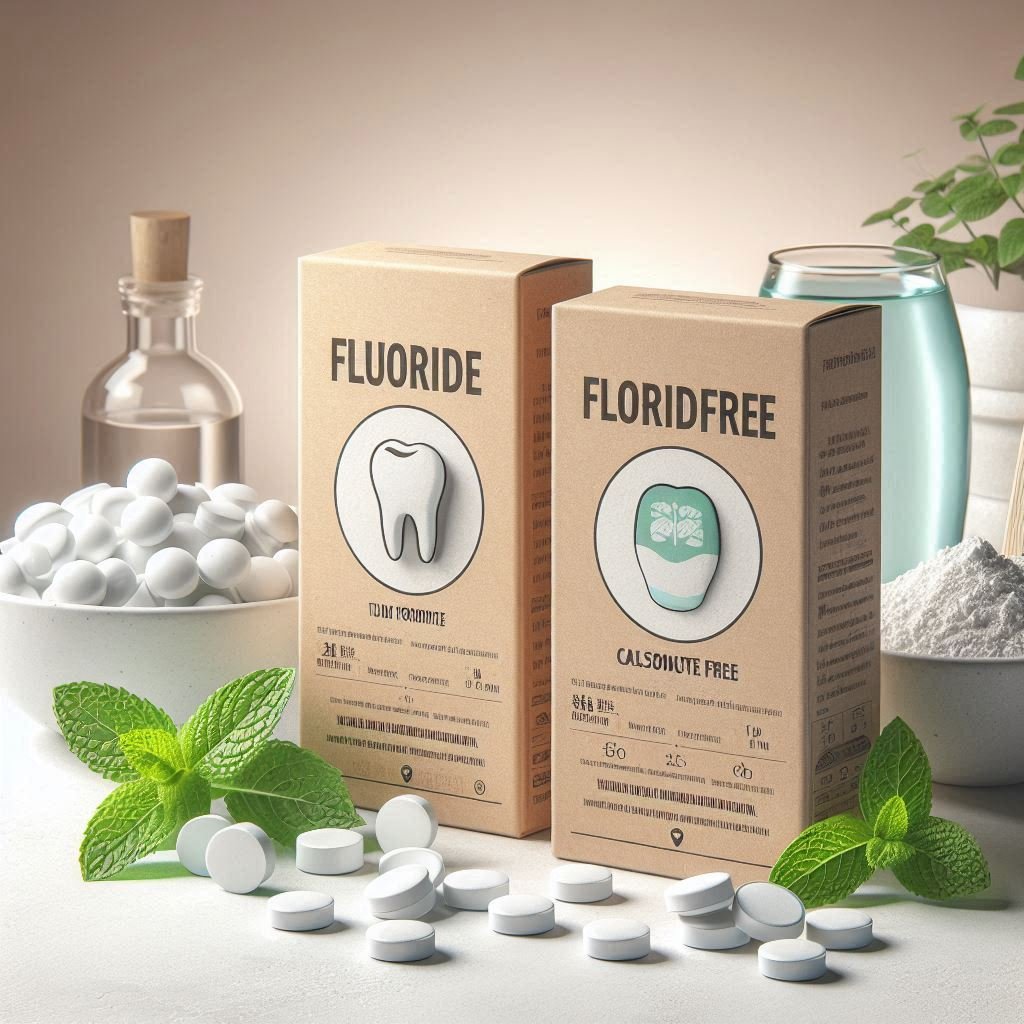
- Comparing Fluoride-Free and Fluoride Toothpaste Tablets
- Choosing the Right Option for Your Oral Care Needs
- Final Thoughts on Fluoride in Toothpaste Tablets
1. What Is Fluoride and How Does It Work?
Fluoride is a naturally occurring mineral found in water, soil, and various foods. It is widely recognized for its ability to strengthen enamel, the outer protective layer of teeth. Tooth decay and cavities occur when enamel wears down due to acids produced by bacteria in the mouth, which feed on sugars left on teeth after eating. Fluoride’s primary role in oral care is to combat this process by remineralizing and strengthening enamel, making it more resistant to acid attacks.
How Fluoride Protects Teeth
Fluoride helps to prevent demineralization, a process where minerals like calcium and phosphate are removed from the tooth enamel by acids. This process weakens enamel, making it susceptible to decay. When fluoride is present in saliva, it can attract these lost minerals back to the enamel, strengthening it over time. This remineralization process is essential for oral health and is one of the main reasons why fluoride is so prevalent in toothpaste and drinking water in many regions.
Buy Toothpaste & Mouthwash Tablets. Enjoy 75% OFF - Limited Time Offer
Toothpaste tabs
Fresh Peppermint (With Fluorid)
$510
$
350
Only 2 units left on our site
-
Flavor: Fresh Peppermint
-
Quantity: Approximately 2500 Tabs
-
Fluoride: With Flourude-1440ppm
Sale
Toothpaste tabs
Fresh Peppermint (Fluoride-free)
$510
$
350
Only 1 units left on our site
-
Flavor: Fresh Peppermint
-
Quantity: Approximately 2500 Tabs
-
Fluoride: Fluoride-free
Sale
Toothpaste tabs
Remineralising Whitening
$510
$
350
Only 3 units left on our site
-
Flavor: Regular
-
Quantity: Approximately 2500 Tabs
-
Fluoride: Fluoride-free
Sale
Toothpaste tabs
For Kids - Buttermint
$510
$
350
Only 6 units left on our site
-
Flavor: Buttermint
-
Quantity: Approximately 2500 Tabs
-
Fluoride: With Flourude-1440ppm
Sale
Breath Mints
Sugar Free - Fresh Mint
$510
$
350
Only 1 units left on our site
-
Flavor: Fresh Mint
-
Quantity: Approximately 3630 Mints
-
Sugar: Sugar-free
Sale
Mouthwash tabs
Cool Mint (Fluoride-free)
$510
$
350
Only 3 units left on our site
-
Flavor: Cool Mint
-
Quantity: Approximately 2150 Tabs
-
Fluoride: Fluoride-free
Sale
Buy Toothpaste & Mouthwash Tablets. Enjoy 75% OFF - Limited Time Offer
Toothpaste tabs
Fresh Peppermint (With Fluorid)-
Flavor: Fresh Peppermint
-
Quantity: Approximately 2500 Tabs
-
Fluoride: With Flourude-1440ppm
Toothpaste tabs
Fresh Peppermint (Fluoride-free)-
Flavor: Fresh Peppermint
-
Quantity: Approximately 2500 Tabs
-
Fluoride: Fluoride-free
Toothpaste tabs
Remineralising Whitening-
Flavor: Regular
-
Quantity: Approximately 2500 Tabs
-
Fluoride: Fluoride-free
Toothpaste tabs
For Kids - Buttermint-
Flavor: Buttermint
-
Quantity: Approximately 2500 Tabs
-
Fluoride: With Flourude-1440ppm
Breath Mints
Sugar Free - Fresh Mint-
Flavor: Fresh Mint
-
Quantity: Approximately 3630 Mints
-
Sugar: Sugar-free
Mouthwash tabs
Cool Mint (Fluoride-free)-
Flavor: Cool Mint
-
Quantity: Approximately 2150 Tabs
-
Fluoride: Fluoride-free
For people at high risk of developing cavities, such as those with a high sugar diet or those prone to dry mouth, fluoride can offer significant benefits. It provides a barrier of protection for enamel and can even reverse early signs of tooth decay. While many health professionals recommend fluoride for general oral care, the debate around its use stems from concerns about potential overexposure and health risks when ingested in excess.
2. The Benefits of Fluoride in Toothpaste Tablets
Fluoride toothpaste tablets bring the benefits of fluoride to a new, eco-friendly format. With toothpaste tablets gaining popularity as a sustainable alternative to traditional toothpaste tubes, many people wonder if fluoride is necessary in these tablets. Let’s explore the specific benefits that fluoride brings to toothpaste tablets and why you might consider choosing a fluoride-containing option.
Enhanced Cavity Protection
One of the most significant advantages of fluoride is its well-documented ability to prevent cavities. For adults and children alike, fluoride offers an added level of defense against tooth decay, especially in individuals who consume high-sugar foods or those who may not always follow an ideal oral care routine. Toothpaste tablets that contain fluoride provide this benefit while minimizing waste from traditional toothpaste packaging.
Remineralization for Stronger Teeth
Fluoride not only prevents further decay but also actively works to remineralize areas where demineralization has already begun. For those with weak enamel or areas of early-stage decay, fluoride can help to restore strength. The convenience of using a tablet format makes it easy to incorporate fluoride into a regular dental routine without compromising on efficacy.
Long-Term Oral Health Maintenance
Over time, regular use of fluoride in oral care can help maintain the health of your teeth and prevent costly dental procedures associated with cavities or weakened enamel. In a tablet form, fluoride can be particularly useful for those who travel frequently or prefer a convenient, mess-free option. Consistent fluoride exposure supports long-term oral health by keeping enamel strong and reducing the chances of plaque buildup leading to decay.
Convenience for On-the-Go Oral Care
Fluoride toothpaste tablets can be an ideal solution for people who travel frequently or prefer a lightweight, portable oral care product. They are dry, compact, and easy to use without needing to worry about leakage. Including fluoride in these tablets ensures that users still receive cavity protection, even while on the go, maintaining a high level of convenience and effectiveness.
3. The Potential Risks of Fluoride in Toothpaste Tablets
While fluoride provides distinct benefits, there are also risks associated with its use, particularly if it’s ingested in high quantities. Understanding these potential downsides can help you make an informed decision about whether fluoride toothpaste tablets are the right choice for you.
Fluorosis and Overexposure Risks
One of the main concerns surrounding fluoride is the risk of dental fluorosis, which is a condition caused by excessive fluoride intake, especially during the development of teeth in children. Fluorosis typically results in white streaks or spots on the teeth, though more severe cases can cause discoloration and pitting. While this condition is mainly a risk for children under the age of eight, overexposure is something that many parents consider when selecting toothpaste.
Adults are also at risk of overexposure if they consume high levels of fluoride through sources like drinking water, food, and oral care products. Ingesting too much fluoride has been linked to other health concerns, such as bone density issues, though these effects are generally associated with high levels of fluoride consumption over a long period.
Potential Environmental Concerns
The environmental impact of fluoride is also a topic of debate. Wastewater containing fluoride, typically from agricultural and industrial sources, can enter water systems and affect the natural balance of ecosystems. Although the fluoride concentration in wastewater is generally low, some argue that cumulative environmental exposure could harm certain wildlife and plant species over time. This debate often leads people to consider fluoride-free products as a more eco-conscious option.
Sensitivity and Allergic Reactions
Though rare, some individuals experience sensitivity or mild allergic reactions to fluoride. Symptoms can include mild irritation, dryness, or an uncomfortable sensation in the mouth. People with fluoride sensitivity often avoid products with fluoride altogether, opting instead for fluoride-free toothpaste and oral care alternatives. If you have had a reaction to fluoride in the past, it’s generally advisable to avoid fluoride in toothpaste tablets as well.
4. Comparing Fluoride-Free and Fluoride Toothpaste Tablets
Choosing between fluoride and fluoride-free toothpaste tablets can depend on factors such as personal health goals, lifestyle, and preferences. In this section, we’ll compare these two options to help you determine which one aligns best with your needs.
Fluoride Toothpaste Tablets: A Comprehensive Oral Care Solution
Fluoride toothpaste tablets are designed to deliver the benefits of traditional fluoride toothpaste, such as cavity protection and enamel strengthening, in an eco-friendly and travel-friendly format. For those who want to ensure comprehensive oral health, particularly if they are prone to cavities or tooth sensitivity, fluoride tablets may provide peace of mind.
Fluoride-Free Toothpaste Tablets: For the Environmentally Conscious Consumer
Fluoride-free toothpaste tablets appeal to those who prioritize natural ingredients and are concerned about potential risks of fluoride ingestion or overuse. Often, fluoride-free options contain alternative ingredients like hydroxyapatite, which has shown promising results in remineralizing enamel without fluoride.
Effectiveness in Preventing Tooth Decay
When it comes to cavity prevention, fluoride toothpaste tablets are generally more effective due to fluoride’s proven track record in remineralization. Fluoride-free tablets, however, are increasingly incorporating alternative compounds that also help to support enamel health, though their effectiveness may vary compared to fluoride.
Personal Health and Lifestyle Considerations
Consider your dietary habits, access to fluoridated water, and general susceptibility to cavities when deciding between these two options. If you consume a diet high in sugars, fluoride toothpaste tablets might offer added protection. Conversely, if you maintain a low-sugar diet and prefer a minimal approach to ingredients, fluoride-free tablets could be a better fit.
5. Choosing the Right Option for Your Oral Care Needs
Selecting between fluoride and fluoride-free toothpaste tablets depends on your individual oral care goals, lifestyle, and potential health concerns. By understanding the distinct benefits and drawbacks of each, you can make an informed choice that aligns with both your health priorities and personal values.
Assessing Your Cavity Risk Level
If you are prone to cavities or consume a high-sugar diet, fluoride toothpaste tablets may be a better choice to offer the enamel protection you need. People at higher risk for cavities often benefit more from fluoride’s protective and remineralizing effects.
Considering Fluoride Sensitivity or Preference for Natural Products
For individuals sensitive to fluoride or those who prefer natural ingredients, fluoride-free tablets are a compelling alternative. With ingredients like xylitol and calcium carbonate, fluoride-free options still provide a degree of protection and support for enamel health.
Making an Informed Decision for Your Oral Care
Choosing the right toothpaste tablet is more than just a decision about fluoride—it’s about aligning your oral care routine with your unique health needs, lifestyle choices, and sustainability values. In today’s world, where conscious consumerism is on the rise, selecting a toothpaste that meets all these criteria can feel challenging, but it’s also an opportunity to build an oral care routine that’s both effective and meaningful.
Whether you’re new to toothpaste tablets or looking to optimize your dental health, here’s a comprehensive guide to understanding and balancing the factors involved in making an informed choice.
1. Understanding Your Oral Health Needs
When choosing between fluoride and fluoride-free toothpaste tablets, personal oral health is the first and most crucial factor. Different people have different dental health requirements, and these can vary based on age, diet, and lifestyle.
- Dental History: If you have a history of cavities or enamel erosion, fluoride is often recommended by dental professionals as a preventive measure. The fluoride in toothpaste helps remineralize enamel, making teeth stronger and less prone to decay.
- Age and Vulnerability to Cavities: Children, teens, and adults have varying susceptibility to cavities, often due to dietary and lifestyle factors. Fluoride is typically emphasized in younger people’s oral care due to the importance of protecting developing teeth. For adults, the need for fluoride may decrease if a balanced diet and proper hygiene habits are maintained, although some still prefer it for added cavity protection.
- Sensitive Teeth: If you have sensitive teeth, some fluoride-free toothpaste tablets contain natural desensitizing ingredients such as xylitol and aloe vera, which help reduce discomfort without the addition of fluoride. However, if sensitivity is a significant concern, consult your dentist to determine whether fluoride or fluoride-free products are better suited to address this issue.
2. Considering Environmental Impact
Toothpaste tablets stand out for their eco-friendly packaging and sustainable ingredients. For those focused on reducing their environmental footprint, toothpaste tablets offer several benefits.
- Plastic-Free Packaging: Toothpaste tablets typically come in glass jars, compostable pouches, or other sustainable packaging, which reduces plastic waste. Many brands also offer refill options, allowing you to keep your original container and reduce waste further. Fluoride and fluoride-free options alike are generally available in these earth-friendly formats.
- Natural Ingredients: Many fluoride-free toothpaste tablets are made from plant-based ingredients and natural abrasives like calcium carbonate or baking soda, minimizing the use of synthetic compounds and chemicals. By choosing products with minimal environmental impact, you’re contributing to sustainability in the personal care industry.
- Ethical Considerations: For those who prefer cruelty-free and vegan products, fluoride-free toothpaste tablets often feature plant-derived ingredients, and many brands avoid animal testing. Ensuring a product aligns with ethical values can make the oral care choice more fulfilling and environmentally responsible.
3. Assessing the Pros and Cons of Fluoride
Fluoride remains a highly debated ingredient in dental care, with clear benefits as well as some potential downsides.
- Benefits of Fluoride: Fluoride is scientifically proven to help prevent tooth decay and strengthen enamel, making it beneficial for individuals who are cavity-prone or at higher risk of dental issues. Regular fluoride use is effective in mineralizing teeth, which can make them more resilient against acid attacks from bacteria.
- Concerns About Overuse: For some, fluoride overexposure may lead to mild dental fluorosis, a condition that causes discoloration in young children’s teeth. While adult fluorosis is rare, those concerned about the cumulative effect of fluoride exposure might opt for fluoride-free tablets to avoid potential overconsumption, especially if they live in an area where the drinking water is fluoridated.
- Expert Opinions: Most dentists recommend fluoride for its proven benefits in cavity prevention. However, they also respect patients’ choices and can help guide them toward a fluoride-free routine that emphasizes diligent oral hygiene if fluoride use is a concern.
4. Exploring Fluoride Alternatives
For individuals interested in fluoride-free toothpaste tablets, it’s important to understand that many effective alternatives exist, each with their own unique benefits.
- Xylitol: This natural sweetener not only provides a pleasant flavor but also has properties that help prevent bacteria from adhering to teeth, reducing the likelihood of plaque formation.
- Nano-Hydroxyapatite: A mineral that mimics the natural structure of enamel, nano-hydroxyapatite can help repair micro-damage and strengthen teeth. It’s a suitable fluoride alternative for those seeking cavity protection without fluoride.
- Essential Oils and Natural Antimicrobials: Ingredients like tea tree oil, peppermint oil, and aloe vera can provide antimicrobial properties, helping to freshen breath and reduce bacterial growth. These ingredients are commonly found in fluoride-free tablets and are a great choice for those looking for gentle, effective cleaning.
5. Seeking Professional Guidance and Regular Check-Ups
Your dentist can provide personalized recommendations based on your dental history and needs. Additionally, routine dental check-ups can help monitor the effectiveness of your fluoride or fluoride-free regimen, ensuring you make informed decisions and avoid dental issues.
- Personalized Recommendations: Dentists offer valuable insight into which products align best with your dental health goals, whether that includes fluoride or not. They can also advise you on proper techniques for brushing with toothpaste tablets and using them effectively.
- Monitoring Oral Health Progress: Regular dental visits help track any potential changes in tooth sensitivity, enamel health, or cavity formation. This feedback can help you adjust your oral care routine as necessary to maintain optimal dental health.
6. Aligning Oral Care with Your Lifestyle
Oral care choices, including the decision to use fluoride or fluoride-free toothpaste tablets, ultimately reflect one’s lifestyle and values.
- Frequency of Use: Many people benefit from rotating between fluoride and fluoride-free options based on their needs. For instance, using fluoride tablets during high-sugar diet periods can offer additional protection, while fluoride-free tablets can be used for regular daily cleaning.
- Conscious Consumerism: The rise in sustainable oral care products highlights a shift towards conscious consumerism, where individuals seek out products that meet their health needs without compromising their environmental and ethical values. By carefully selecting products that support these values, you can feel confident about your oral care routine.
Final Thoughts on Choosing Fluoride or Fluoride-Free Toothpaste Tablets
Whether you’re drawn to the protective benefits of fluoride or prefer the natural appeal of fluoride-free toothpaste tablets, understanding your options and aligning them with your health needs and values is essential. By evaluating personal oral health, lifestyle, and environmental priorities, you can build a well-rounded oral care routine that supports both your health and the planet. Regular dental check-ups, ongoing education about fluoride alternatives, and a proactive approach to oral care will ensure that your choice is informed and beneficial for years to come.