Table of Contents:
- Why Sustainability Matters in Your Dental Routine
- Understanding the Bamboo Toothbrush: Eco-friendly Choice
- Signs It’s Time to Replace Your Bamboo Toothbrush
- How Often Should You Replace Your Bamboo Toothbrush?
- Caring for Your Bamboo Toothbrush to Extend Its Life
- The Future of Sustainable Oral Care: Innovations and Trends
1. Why Sustainability Matters in Your Dental Routine
In a world where environmental concerns are growing every day, making sustainable choices in even the most routine aspects of our lives, such as dental care, has never been more important. Our daily dental habits—though they may seem small—can have a big impact on the planet, especially when you consider the sheer number of people using traditional plastic toothbrushes.
Plastic toothbrushes, like many other everyday items, contribute significantly to the growing plastic waste problem. In fact, it’s estimated that over 3 billion toothbrushes are thrown away each year in the United States alone. These toothbrushes, which are primarily made from plastic, can take hundreds of years to break down in landfills. This is a major environmental concern because, unfortunately, most of these plastic toothbrushes are not recyclable.
The Problem with Plastic Toothbrushes
Plastic toothbrushes are made from materials that don’t biodegrade, meaning they linger in landfills for a long time after disposal. And while many people are conscientious about recycling plastic, the reality is that only a small percentage of plastic actually gets recycled. In fact, many plastic toothbrushes are composed of mixed materials, including nylon bristles, which make them difficult to recycle.
Buy Toothpaste & Mouthwash Tablets. Enjoy 75% OFF - Limited Time Offer
Toothpaste tabs
Fresh Peppermint (With Fluorid)
$510
$
350
Only 2 units left on our site
-
Flavor: Fresh Peppermint
-
Quantity: Approximately 2500 Tabs
-
Fluoride: With Flourude-1440ppm
Sale
Toothpaste tabs
Fresh Peppermint (Fluoride-free)
$510
$
350
Only 1 units left on our site
-
Flavor: Fresh Peppermint
-
Quantity: Approximately 2500 Tabs
-
Fluoride: Fluoride-free
Sale
Toothpaste tabs
Remineralising Whitening
$510
$
350
Only 3 units left on our site
-
Flavor: Regular
-
Quantity: Approximately 2500 Tabs
-
Fluoride: Fluoride-free
Sale
Toothpaste tabs
For Kids - Buttermint
$510
$
350
Only 6 units left on our site
-
Flavor: Buttermint
-
Quantity: Approximately 2500 Tabs
-
Fluoride: With Flourude-1440ppm
Sale
Breath Mints
Sugar Free - Fresh Mint
$510
$
350
Only 1 units left on our site
-
Flavor: Fresh Mint
-
Quantity: Approximately 3630 Mints
-
Sugar: Sugar-free
Sale
Mouthwash tabs
Cool Mint (Fluoride-free)
$510
$
350
Only 3 units left on our site
-
Flavor: Cool Mint
-
Quantity: Approximately 2150 Tabs
-
Fluoride: Fluoride-free
Sale
Buy Toothpaste & Mouthwash Tablets. Enjoy 75% OFF - Limited Time Offer
Toothpaste tabs
Fresh Peppermint (With Fluorid)-
Flavor: Fresh Peppermint
-
Quantity: Approximately 2500 Tabs
-
Fluoride: With Flourude-1440ppm
Toothpaste tabs
Fresh Peppermint (Fluoride-free)-
Flavor: Fresh Peppermint
-
Quantity: Approximately 2500 Tabs
-
Fluoride: Fluoride-free
Toothpaste tabs
Remineralising Whitening-
Flavor: Regular
-
Quantity: Approximately 2500 Tabs
-
Fluoride: Fluoride-free
Toothpaste tabs
For Kids - Buttermint-
Flavor: Buttermint
-
Quantity: Approximately 2500 Tabs
-
Fluoride: With Flourude-1440ppm
Breath Mints
Sugar Free - Fresh Mint-
Flavor: Fresh Mint
-
Quantity: Approximately 3630 Mints
-
Sugar: Sugar-free
Mouthwash tabs
Cool Mint (Fluoride-free)-
Flavor: Cool Mint
-
Quantity: Approximately 2150 Tabs
-
Fluoride: Fluoride-free
Additionally, plastic toothbrushes are often wrapped in single-use plastic packaging. This adds to the growing problem of plastic waste, which is harming marine life, polluting ecosystems, and contributing to climate change. It’s a sobering thought, but by simply making a switch to bamboo toothbrushes, we can reduce the plastic waste we generate and lessen our carbon footprint.
Why Bamboo?
Bamboo, in contrast, is a renewable resource that is both biodegradable and environmentally friendly. It’s a fast-growing plant that requires minimal water and doesn’t need pesticides or fertilizers to thrive. Bamboo toothbrushes are made from bamboo handles, and many brands offer biodegradable bristles made from plant-based materials, such as nylon derived from castor beans, which are also more eco-friendly than the traditional petroleum-based plastic bristles.
Switching to bamboo toothbrushes can make a significant difference in reducing the environmental footprint of your dental routine. Bamboo handles naturally decompose after disposal, and unlike plastic, they don’t contribute to long-term pollution. Plus, many bamboo toothbrush brands package their products in recycled or recyclable cardboard, ensuring a fully sustainable product from start to finish.
Supporting a Sustainable Lifestyle
When you choose bamboo toothbrushes over plastic, you’re making a conscious decision to align your daily habits with a sustainable lifestyle. But sustainability doesn’t stop with your toothbrush. You can extend this eco-friendly mindset to other areas of your dental care routine, such as opting for toothpaste without fluoride or switching to toothpaste tablets, which come in recyclable or compostable packaging. By embracing eco-conscious alternatives like bamboo toothbrushes, fluoride-free toothpaste, and natural teeth-whitening options, you’re contributing to a healthier planet while caring for your oral hygiene.
In the following sections, we’ll take a closer look at the bamboo toothbrush itself, explore the signs that it’s time to replace it, and provide practical tips on how to care for your bamboo toothbrush to make it last as long as possible. Let’s dive in!
2. Understanding the Bamboo Toothbrush: Eco-friendly Choice
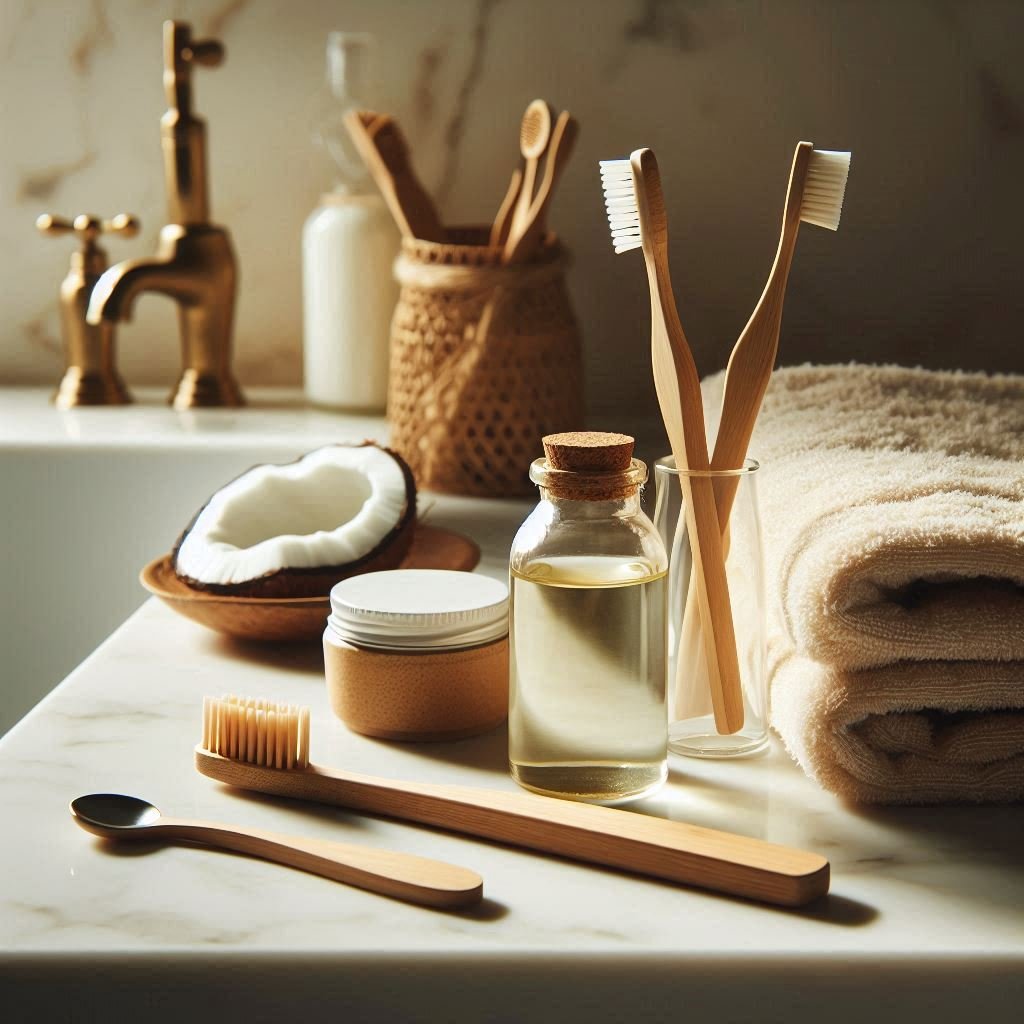
The bamboo toothbrush has gained immense popularity in recent years, emerging as a top contender for anyone looking to make more environmentally-conscious choices in their daily routines. These toothbrushes aren’t just for those who are fully committed to a zero-waste lifestyle—they offer benefits for anyone interested in reducing plastic waste while maintaining optimal oral hygiene. Let’s take a deeper dive into why bamboo toothbrushes are an eco-friendly choice and how they stack up against traditional plastic toothbrushes.
What Makes Bamboo Toothbrushes Eco-Friendly?
Bamboo toothbrushes are made primarily from bamboo, a fast-growing, renewable material that is much more sustainable than plastic. While plastic toothbrushes can take up to 400 years to decompose, bamboo handles naturally break down in compost or landfills in just a few months, making them a much better alternative for our planet. Unlike plastic, bamboo doesn’t require synthetic fertilizers or pesticides to grow, and it can thrive with minimal water. This low-maintenance crop makes bamboo a highly renewable resource that can be harvested sustainably.
The bristles of bamboo toothbrushes, however, are typically made from nylon or other materials. While these bristles are not yet fully biodegradable, some brands are working on alternatives made from plant-based fibers, such as bamboo or castor oil-derived nylon. For now, though, many bamboo toothbrushes feature recyclable nylon bristles, so the goal remains to keep the entire product as eco-friendly as possible.
How Bamboo Toothbrushes Compare to Plastic Ones
When you compare bamboo toothbrushes to traditional plastic toothbrushes, it becomes clear why switching is such a significant step for sustainability:
- Production and Materials: Bamboo is a natural material, and its cultivation requires minimal energy and resources. It grows quickly and without the need for synthetic chemicals, which means fewer environmental impacts compared to the petroleum-based plastic used in most toothbrushes.
- Disposal: As mentioned earlier, bamboo toothbrushes are biodegradable. Once the bamboo handle is disposed of, it naturally decomposes, leaving a much smaller environmental footprint. On the other hand, plastic toothbrushes remain in landfills for centuries, contributing to long-lasting waste in the environment.
- Packaging: Many bamboo toothbrush brands take their commitment to sustainability a step further by using recyclable, compostable, or minimal packaging, while plastic toothbrushes often come wrapped in non-recyclable plastic packaging that adds to the growing issue of waste.
The Role of Bamboo Toothbrushes in Sustainable Dental Care
Bamboo toothbrushes represent a key element in making your oral care routine more sustainable. But their eco-friendliness extends beyond just the material itself. Many brands that produce bamboo toothbrushes also emphasize ethical sourcing and eco-conscious production methods. By choosing these brands, you’re supporting companies that value the planet and prioritize sustainability, often working with environmentally-friendly practices and supporting fair trade principles.
Additionally, bamboo toothbrushes can be paired with other sustainable dental care products, such as:
- Fluoride-Free Toothpaste: Many people are choosing fluoride-free toothpaste options to minimize their environmental impact. Fluoride-free toothpaste often comes in recyclable or biodegradable packaging, aligning perfectly with the eco-friendly ethos of bamboo toothbrushes.
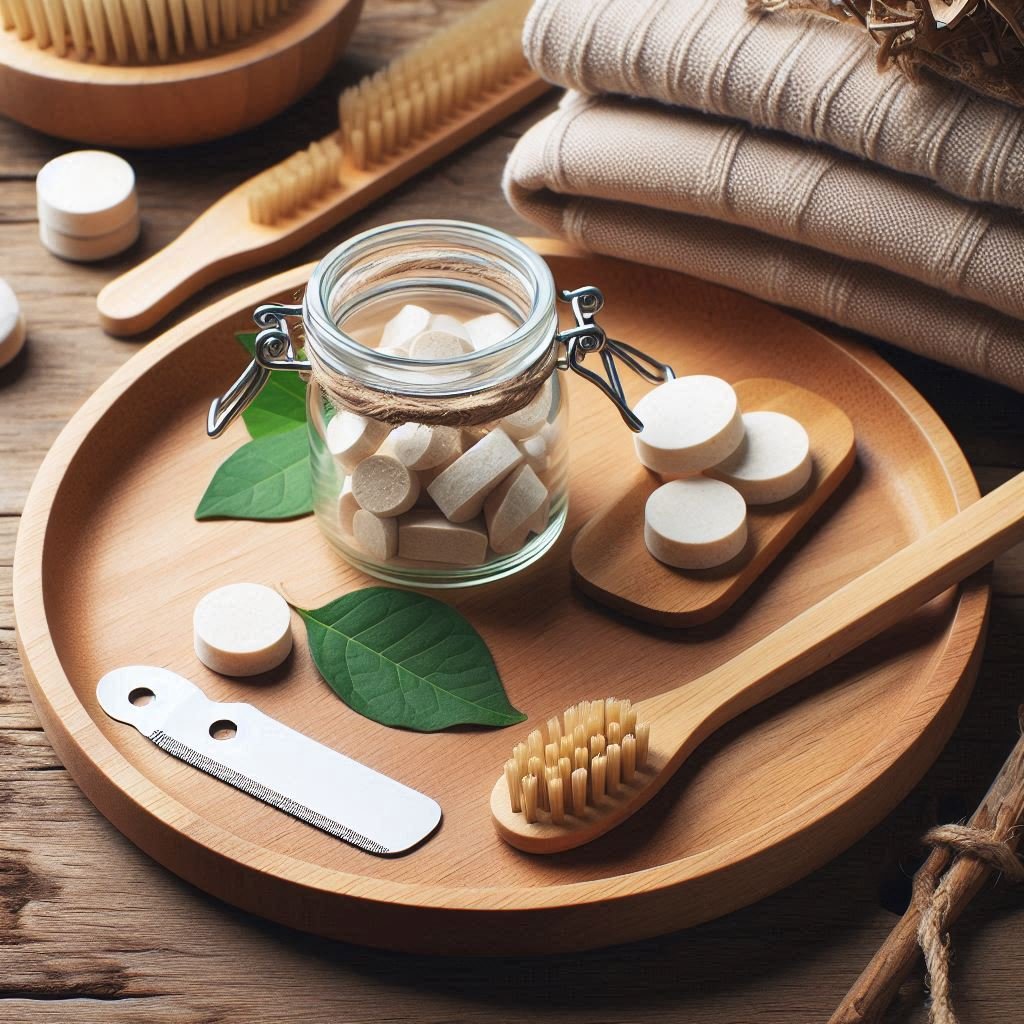
- Toothpaste Tablets: If you’re looking for a truly sustainable oral care product, toothpaste tablets are a great option. These small, mess-free tablets come in compostable or recyclable packaging and are perfect for on-the-go use. By using toothpaste tablets in combination with your bamboo toothbrush, you can further reduce your carbon footprint.
- Tongue Scrapers and Bamboo Floss: For a complete sustainable oral care routine, consider adding a bamboo tongue scraper or bamboo-based dental floss. These small changes can significantly reduce your reliance on plastic products in your daily hygiene practices.
Why You Should Switch to Bamboo Toothbrushes
Switching to bamboo toothbrushes is a simple yet impactful change you can make in your dental care routine. It’s an easy way to cut down on plastic consumption and contribute to environmental sustainability. Plus, bamboo toothbrushes come in a variety of options, from different bristle types to various handle styles, so you can easily find one that fits your needs and preferences.
While the benefits to the environment are clear, bamboo toothbrushes also offer other advantages. Many users find them to be comfortable to use, and the natural feel of bamboo can make brushing your teeth feel more organic and connected to nature. In addition, bamboo handles often have a sleek, minimalist design that appeals to those looking to incorporate more eco-friendly and aesthetically pleasing products into their routines.
What to Look for When Choosing a Bamboo Toothbrush
When selecting a bamboo toothbrush, it’s essential to consider a few factors to ensure you’re choosing the best product for your needs:
- Bristle Material: Many bamboo toothbrushes use nylon bristles, which are not biodegradable. If you’re aiming for a fully eco-friendly product, look for brands that offer alternatives made from plant-based materials like castor oil-derived nylon or natural fibers.
- Handle Quality: Ensure that the bamboo handle is sustainably sourced and made from high-quality bamboo. Some toothbrushes feature handles with a smooth, polished finish, while others may have a more rustic or raw appearance.
- Packaging: Opt for brands that use minimal, recyclable, or compostable packaging to keep your purchase as eco-friendly as possible. Many bamboo toothbrushes are now sold in cardboard boxes or paper wraps, eliminating the need for additional plastic.
- Bristle Firmness: Bamboo toothbrushes come in a range of bristle types—soft, medium, or firm. Choose the one that best suits your brushing style and preferences. Soft bristles are often recommended for sensitive gums and teeth, while firmer bristles may be better for deep cleaning.
By making the switch to bamboo toothbrushes, you’re taking a small but important step toward reducing your plastic consumption and supporting more sustainable products. With so many eco-friendly alternatives available today, it’s easier than ever to align your dental habits with your environmental values.
3. Signs It’s Time to Replace Your Bamboo Toothbrush
When it comes to your dental care routine, replacing your toothbrush regularly is essential for maintaining good oral hygiene. While the recommended timeline for replacing a traditional toothbrush is every three months, bamboo toothbrushes have some unique characteristics that may influence their lifespan. But how can you tell when it’s time to swap out your bamboo toothbrush for a fresh one? Let’s dive into the signs that indicate it’s time to replace your bamboo toothbrush and why it’s crucial for your oral health.
1. Frayed or Worn Bristles
One of the most obvious signs that it’s time to replace your bamboo toothbrush is frayed or worn-out bristles. Over time, the bristles on your toothbrush naturally lose their stiffness and shape due to the pressure from brushing, especially if you tend to brush vigorously. When bristles become splayed or bent, they’re no longer as effective at removing plaque and debris from your teeth and gums.
For optimal cleaning performance, you want the bristles to be in good condition, with no visible signs of wear. If your bamboo toothbrush bristles are beginning to show signs of fraying, it’s a clear indicator that it’s time for a replacement. The bristles should also retain their flexibility—if they start to feel too hard or stiff, it could cause gum irritation, which can lead to other oral health issues.
2. Discoloration or Staining
Another sign that you need to replace your bamboo toothbrush is discoloration or staining of the bristles. The bristles on bamboo toothbrushes are often made from nylon or other synthetic materials, and over time, they can develop stains from the toothpaste, food particles, or beverages like coffee or tea. While some staining is natural, excessive discoloration may be a sign of buildup, which could affect the performance of your brush.
Though bamboo itself is a naturally antimicrobial material, the bristles are still susceptible to bacterial growth, especially if they’re not dried properly after each use. If you notice your toothbrush is starting to look unusually dirty or stained, even after cleaning, it’s time to retire it and get a new one. For added freshness, you can choose toothpaste tablets or fluoride-free toothpaste, which may leave fewer stains and reduce buildup.
3. Smell or Odor
Like any toothbrush, if you notice an unpleasant smell or odor coming from your bamboo toothbrush, it’s another sign it’s time to replace it. Bacteria and germs can accumulate in the bristles over time, especially if the toothbrush is stored in a damp, humid environment like a bathroom. While bamboo is naturally resistant to bacteria, it’s still essential to ensure your toothbrush is properly dried between uses to prevent any buildup of unpleasant odors.
If you start noticing a bad smell even after washing and drying the brush thoroughly, it might mean the bristles have become saturated with bacteria or that the toothbrush has reached the end of its useful life. It’s important to replace your toothbrush regularly to avoid bacterial buildup, which could affect your oral hygiene and overall health.
4. Worn Handle or Splitting Bamboo
Although bamboo is a strong material, repeated use and exposure to water can cause the handle to weaken over time. If the bamboo handle starts to show signs of splitting, cracking, or splintering, it’s a clear sign that the toothbrush is no longer in optimal condition and should be replaced. A damaged handle can affect the brush’s grip and make it more difficult to maneuver while brushing, reducing its overall effectiveness.
If you notice any physical damage to the handle, such as cracks or chips, it’s time to swap out your bamboo toothbrush. Even though bamboo is durable, it’s important to check the handle regularly, especially if you live in a humid environment where the handle may expand and contract due to moisture.
5. After Illness
If you’ve recently been sick, it’s always a good idea to replace your toothbrush, whether it’s bamboo or plastic. Germs can linger on your toothbrush bristles, and using a toothbrush that has been exposed to viruses or bacteria can potentially reinfect you. This is especially important if you’ve had a cold, the flu, or other infectious illnesses that might leave behind harmful bacteria.
By replacing your bamboo toothbrush after you’ve recovered, you reduce the risk of reintroducing any harmful germs into your mouth, helping you maintain a healthy oral environment. It’s also a good idea to disinfect your bamboo toothbrush handle before storing it if you’ve been sick, as it could still harbor bacteria.
6. After Three Months
As with any toothbrush, the general recommendation is to replace your bamboo toothbrush every three months. This standard applies regardless of the material. After three months of regular use, the bristles lose their effectiveness, and you may notice signs of wear and tear. Even if you don’t notice any immediate signs of damage, it’s a good practice to replace your bamboo toothbrush at this interval to ensure you’re brushing with optimal performance.
If you’re someone who brushes twice a day (as recommended by dentists), replacing your toothbrush every three months ensures that you’re getting the most effective cleaning possible. Plus, this timeline helps you maintain a consistent oral hygiene routine, preventing bacteria buildup and ensuring healthier teeth and gums.
Why Regularly Replacing Your Bamboo Toothbrush Is Important
Replacing your bamboo toothbrush regularly isn’t just about keeping it clean—it’s about maintaining proper oral hygiene. Old or worn-out bristles can lead to ineffective brushing, which means plaque, tartar, and bacteria can build up on your teeth and gums. This can lead to cavities, gum disease, and other oral health problems.
By replacing your bamboo toothbrush every few months, you ensure that your brush is always working at its best to remove plaque and food particles from your teeth. Fresh bristles provide better cleaning power, leading to a healthier mouth and fresher breath.
Moreover, regular toothbrush replacement helps maintain your commitment to sustainability. When your bamboo toothbrush reaches the end of its life, simply dispose of it in the compost or trash (depending on the bristle material), and you can feel good knowing that your new toothbrush is made from sustainable, biodegradable materials.
4. How to Properly Dispose of Your Bamboo Toothbrush
One of the main reasons people switch to bamboo toothbrushes is to reduce their environmental footprint, but what happens when the toothbrush reaches the end of its life? How can you dispose of it responsibly without contributing to landfill waste? While bamboo is a biodegradable material, it’s crucial to understand the proper disposal methods to ensure that every part of your bamboo toothbrush is handled sustainably. Let’s explore how to properly dispose of your bamboo toothbrush and what you can do with it after it’s time to replace it.
1. Removing the Bristles
Before you can dispose of your bamboo toothbrush, you need to remove the bristles. Most bamboo toothbrushes have nylon bristles, which, unfortunately, are not biodegradable. However, they can usually be recycled if you remove them from the bamboo handle. While some brands offer bamboo or other plant-based bristles that are compostable, most still use nylon due to its durability and effectiveness for cleaning teeth.
To remove the bristles, you can use a pair of pliers or any other small tool to carefully pull them out of the handle. Once the bristles are removed, check with your local recycling program to see if they accept nylon. Many municipalities offer a “scrap plastic” recycling option that can handle nylon bristles, but be sure to verify first. If nylon recycling isn’t available in your area, you can dispose of the bristles in the trash, as they are small and unlikely to pose a significant environmental risk if properly discarded.
2. Composting the Bamboo Handle
Once the bristles are removed, you can compost the bamboo handle. Bamboo is a highly sustainable material, and since it is biodegradable, it will break down in a compost pile or bin over time. If you have a composting setup at home, simply add the handle to your compost pile, where it will decompose naturally without causing harm to the environment.
If you don’t have access to composting facilities at home, check with your local community or waste management program to see if they offer composting services for yard waste or biodegradable products. Many cities have green waste programs where bamboo items can be composted.
It’s important to note that you should never throw the bamboo handle in the trash, as it will break down very slowly in a landfill. Proper composting helps the bamboo return to the earth more efficiently, and when handled correctly, it will turn into nutrient-rich soil for gardens or plants.
3. Repurposing the Bamboo Handle
Before throwing your bamboo toothbrush handle into the compost, consider repurposing it for other uses. Bamboo is a durable, versatile material that can be reused in a variety of creative ways around your home. Here are a few ideas:
- Plant Markers: Cut the handle into smaller pieces and use them as plant markers in your garden. Simply write the name of the plant on the bamboo with a permanent marker, and stick it into the soil to help you keep track of your plants.
- Craft Projects: Bamboo handles can be used for a range of DIY craft projects. You can make small picture frames, jewelry holders, or even upcycle them into decorative items for your home.
- Eco-Friendly Cleaning Tools: If you’re into sustainable living, you can repurpose the bamboo handle to create your own eco-friendly cleaning brushes. Attach natural bristles to the handle and use it as a scrub brush for your kitchen or bathroom.
By repurposing your bamboo toothbrush handle, you extend its life and keep it out of the landfill, giving it a second use before it is composted or recycled.
4. Upcycling and Donation
If your bamboo toothbrush is still in decent condition, consider donating it to a local charity or organization that accepts dental products. Some places, such as homeless shelters or outreach programs, may be able to use gently used toothbrushes in their hygiene kits. Of course, this is only appropriate if the bristles are still in good shape and haven’t been worn down too much.
Another option is upcycling your old toothbrush into art or even functional items, depending on its condition. If you’re feeling creative, you can craft it into a piece of decor, or use it as a tool in your garden to help with small tasks like weeding or applying soil to plants.
5. Alternative Disposal Methods for Special Bristles
As eco-conscious consumers, we’re always looking for ways to minimize our environmental impact, and one way to do this is by choosing bamboo toothbrushes with biodegradable or recyclable bristles. While nylon bristles are currently the most common material used, some companies are working to develop more sustainable alternatives like plant-based nylon or bristles made from biodegradable fibers. These options are easier to handle when it comes to disposal, as they can be composted or recycled.
If you use a bamboo toothbrush with biodegradable bristles, you can simply add the bristles to your compost bin along with the bamboo handle. This way, you’re ensuring that every part of your toothbrush will break down naturally, without leaving any harmful residues behind.
6. What About Toothpaste Tablets Packaging?
In addition to replacing your bamboo toothbrush, many people are making the switch to toothpaste tablets for a more sustainable oral care routine. The packaging for toothpaste tablets is often compostable or recyclable, which aligns well with the eco-friendly nature of bamboo toothbrushes. Be sure to dispose of the toothpaste tablet packaging properly according to the instructions provided by the manufacturer.
If the packaging is compostable, add it to your compost pile. If it’s recyclable, make sure to place it in your recycling bin. By pairing your bamboo toothbrush with toothpaste tablets and using sustainable packaging, you further reduce your environmental impact.
7. The Importance of Responsible Disposal
Responsible disposal is an essential part of maintaining a sustainable lifestyle. Every small change—whether it’s switching to a bamboo toothbrush or opting for biodegradable products—can have a cumulative effect on the environment. When you dispose of your bamboo toothbrush responsibly, you contribute to reducing landfill waste, cutting down on plastic pollution, and promoting a more circular economy.
As consumers, it’s up to us to make choices that reflect our commitment to the environment. By understanding how to properly dispose of your bamboo toothbrush and other eco-friendly products, you ensure that your actions are contributing to a healthier planet for future generations.
5. Caring for Your Bamboo Toothbrush to Extend Its Life
Bamboo toothbrushes are a wonderful, eco-friendly alternative to traditional plastic brushes, but they still require some care to ensure they last as long as possible. Bamboo is a natural material, and though it is durable, it’s more susceptible to wear and tear from moisture and humidity compared to plastic. Fortunately, with just a few simple practices, you can extend the life of your bamboo toothbrush while maintaining its effectiveness for optimal oral care.
1. Dry It Thoroughly After Use
One of the most important things you can do to care for your bamboo toothbrush is to ensure it dries properly after each use. Bamboo can absorb moisture, and if the handle stays damp for too long, it can begin to swell, crack, or become a breeding ground for bacteria. After each brushing session, make sure to shake off any excess water from the brush and store it in a dry area.
To keep your bamboo toothbrush dry, store it upright in a toothbrush holder or a glass so that the bristles can air dry completely. Avoid leaving it in a damp or humid environment, such as a closed cabinet or a countertop where water collects. Ideally, you want the bristles to dry between uses to avoid any degradation of the bamboo material itself.
2. Avoid Storing It in Wet Environments
Bamboo toothbrushes should be kept away from consistently wet conditions. Avoid leaving your brush in the shower or near a sink where it will be exposed to constant humidity or water splashes. Although bamboo is naturally water-resistant to some extent, long-term exposure to moisture can cause the handle to soften, crack, or become discolored.
To prevent this, consider using a travel case for your bamboo toothbrush when traveling or store it in a well-ventilated area, away from constant moisture. Some bamboo toothbrushes come with protective caps that help keep the bristles clean while allowing for airflow, which can be particularly useful if you’re on the go.
3. Clean the Handle Periodically
While the bristles of your bamboo toothbrush are your primary concern, it’s also a good idea to occasionally clean the bamboo handle itself. Gently wipe the handle with a damp cloth and let it air dry thoroughly. This simple step will help keep your toothbrush in top condition and prevent any mold or bacteria buildup.
Avoid soaking the entire toothbrush in water for prolonged periods, as this can cause the bamboo to absorb too much moisture. If your brush is particularly dirty, wipe it with a cloth dampened with a mild cleaning solution (such as diluted vinegar or lemon juice) to remove any grime or buildup. Just make sure the handle dries completely before use.
4. Store It Upright and Allow for Air Circulation
Proper storage is key to maintaining your bamboo toothbrush’s longevity. Storing your toothbrush upright in a dry, well-ventilated place ensures that both the bristles and handle have the necessary airflow to dry quickly after use. This helps prevent bacterial growth and prevents the bamboo from warping or cracking. Consider using a small, dedicated holder or even a glass that allows the brush to stand upright.
If you’re keeping it in a bathroom, it’s a good idea to choose a location away from direct water splashes and high humidity areas, such as near the sink or in a medicine cabinet with airflow. Your bamboo toothbrush will thank you by lasting longer and keeping your oral care routine hygienic.
5. Use Gentle Brushing Techniques
Though bamboo toothbrushes are sturdy, they aren’t indestructible. To ensure that your bamboo toothbrush lasts for as long as possible, be gentle with your brushing technique. Brushing too hard can cause the bristles to fray quickly, leading to ineffective cleaning and an earlier need for replacement. Additionally, excessive pressure can cause wear on both the bristles and the bamboo handle itself.
Instead, use a gentle, circular motion while brushing, and let the bristles do the work. Not only will this protect your bamboo toothbrush, but it will also improve the overall health of your teeth and gums. Gentle brushing is especially important if you have sensitive gums or enamel, as harsh brushing can cause irritation or enamel erosion.
6. Replace the Brush Every 3 Months
Even with proper care, bamboo toothbrushes should be replaced every three months, just like their plastic counterparts. This ensures that the bristles maintain their cleaning effectiveness and reduces the buildup of bacteria and plaque. You can recycle the handle if you’re diligent about composting, or in some cases, the handle can be repurposed for various DIY projects like plant markers or crafting materials.
6. The Future of Sustainable Oral Care: Innovations and Trends
As consumers become more aware of the environmental impact of their daily products, the demand for sustainable alternatives is increasing. The oral care industry is no exception, with new innovations and trends emerging to reduce plastic waste, use natural ingredients, and improve overall sustainability in dental care. The future of sustainable oral care looks promising, with several exciting developments on the horizon.
1. Plant-Based Bristles
One of the main drawbacks of bamboo toothbrushes is that, while the handle is biodegradable, the bristles are often made from nylon or plastic. However, recent developments in plant-based bristle technology could offer a solution. Some companies are experimenting with bristles made from materials like castor oil-derived nylon, bamboo fibers, or even coconut husk fibers. These alternatives aim to create fully biodegradable toothbrushes, where both the handle and bristles decompose naturally.
As this technology continues to develop, we may see more toothbrushes that are entirely biodegradable, allowing consumers to make even more sustainable choices without compromising on effectiveness.
2. Toothpaste Tablets and Powder Innovations
In addition to bamboo toothbrushes, toothpaste tablets and powders are another growing trend in sustainable oral care. These products are revolutionizing the way we think about toothpaste packaging and usage. Toothpaste tablets come in small, convenient pills that you chew to activate the paste, offering a mess-free, zero-waste alternative to traditional toothpaste tubes.
Innovations in toothpaste tablets and powders are focusing on improving the ingredients to make them more effective and natural. Many are fluoride-free, catering to consumers who prefer non-fluoride toothpaste for health or sustainability reasons. Brands are also working on developing eco-friendly, compostable packaging for these products, reducing the environmental impact even further.
3. Sustainable Toothpaste Packaging
One of the most significant sources of waste in traditional oral care is the packaging. Plastic toothpaste tubes, often made from a mix of materials that are difficult to recycle, contribute to significant environmental damage. To address this issue, many brands are turning to alternative packaging solutions, such as recyclable aluminum tubes, glass jars, or compostable paperboard packaging.
Some companies are also experimenting with refillable toothpaste systems, where you purchase the toothpaste in a reusable container and buy refill pouches when needed. This reduces the amount of plastic waste generated by single-use toothpaste tubes and encourages more sustainable consumption patterns.
4. Eco-Friendly Dental Floss
Dental floss is another product that has traditionally been made from plastic, contributing to the growing waste problem. However, there are now eco-friendly alternatives made from plant-based materials like bamboo, silk, or cornstarch. These sustainable flosses are biodegradable and come in compostable packaging, offering a more environmentally friendly option without sacrificing quality.
In addition, some brands are offering floss in refillable glass or metal containers, further reducing the need for single-use plastic packaging.
5. Sustainable Oral Care for Kids
Sustainability in oral care is also reaching younger audiences. Brands are now offering bamboo toothbrushes designed specifically for children, with smaller handles and softer bristles. These toothbrushes not only help introduce children to eco-friendly habits but also teach them the importance of reducing waste from an early age. Sustainable toothpaste options for kids, including fluoride-free varieties, are also gaining popularity as parents become more conscientious about the environmental impact of their children’s products.
6. The Role of Technology in Sustainable Oral Care
Advancements in technology are playing a role in promoting sustainable oral care as well. Smart toothbrushes, for instance, can now connect to apps that track brushing habits and provide reminders for when to replace your toothbrush. These toothbrushes often come with longer-lasting bristles, reducing the frequency of replacement, and some are even designed with energy-efficient, sustainable materials.
The use of eco-friendly, recyclable components in these high-tech toothbrushes further pushes the boundaries of sustainability while encouraging healthier brushing habits.
Conclusion: A Greener Future for Oral Care
The future of sustainable oral care is full of possibilities. From biodegradable toothbrushes to refillable toothpaste systems, there is a growing movement towards reducing waste and promoting eco-friendly practices in dental care. As consumers continue to demand more sustainable products, the industry will likely continue to innovate, offering even more effective and environmentally-conscious solutions for healthier teeth and a healthier planet.
As we move forward, choosing sustainable oral care products like bamboo toothbrushes and fluoride-free toothpaste is an easy way to reduce our plastic consumption and contribute to the well-being of the environment. With so many exciting trends and innovations on the horizon, the future of oral care looks bright—both for our teeth and for the planet.