Table of Contents:
- The Fluoride Debate: Understanding the Pros and Cons
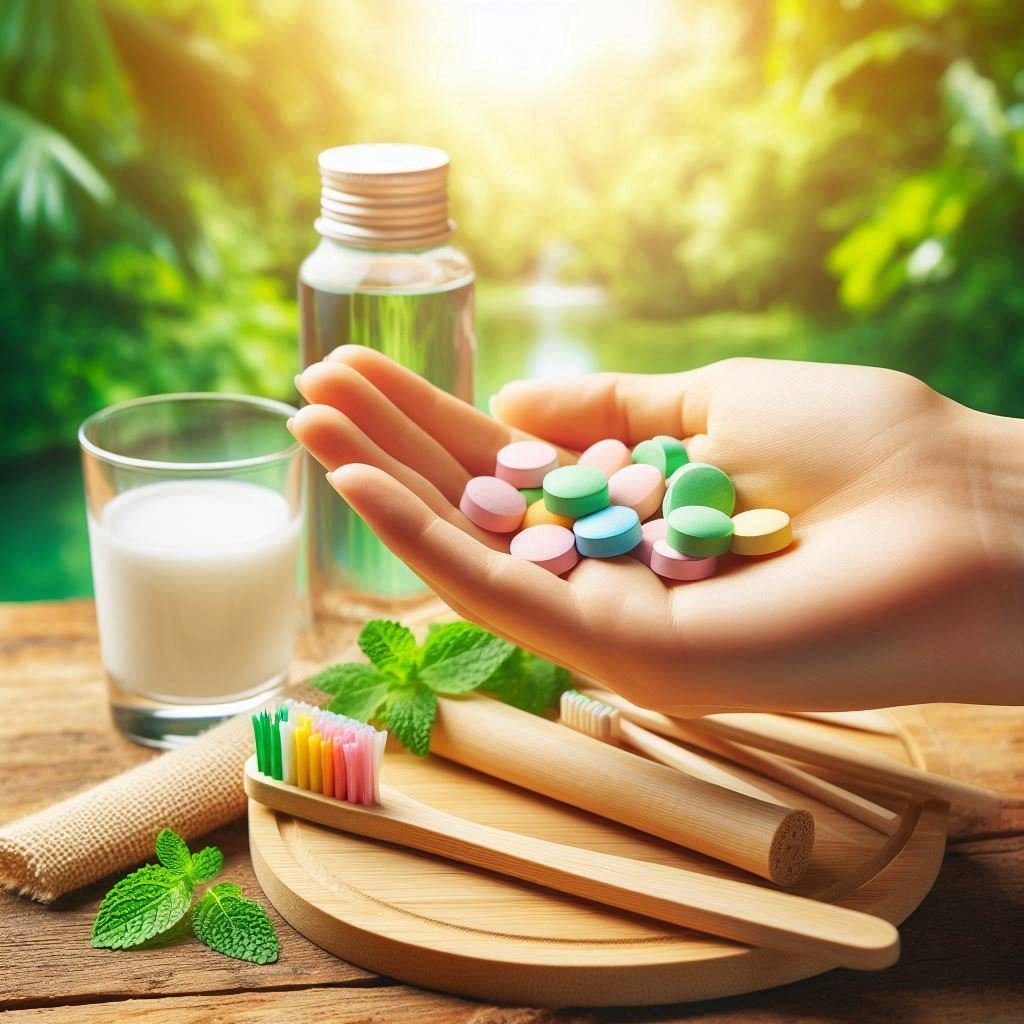
- The Rise of Toothpaste Tablets: A Sustainable Solution
- Choosing the Right Fluoride-Free Toothpaste Tablets: A Brand Comparison
- Beyond the Tablets: Completing Your Eco-Friendly Oral Hygiene Routine
- Addressing Common Concerns About Toothpaste Tablets
- My Personal Experience with Fluoride-Free Toothpaste Tablets
- The Future of Oral Hygiene: Sustainability and Innovation
1. The Fluoride Debate: Understanding the Pros and Cons
The debate surrounding fluoride in toothpaste is a long and often heated one. For decades, fluoride has been hailed as a vital component in preventing cavities. Public health campaigns heavily promoted its inclusion in water and toothpaste, resulting in a widespread belief in its efficacy. However, as with many things, there are two sides to the story.
Buy Toothpaste & Mouthwash Tablets. Enjoy 75% OFF - Limited Time Offer
Toothpaste tabs
Fresh Peppermint (With Fluorid)
$510
$
350
Only 2 units left on our site
-
Flavor: Fresh Peppermint
-
Quantity: Approximately 2500 Tabs
-
Fluoride: With Flourude-1440ppm
Sale
Toothpaste tabs
Fresh Peppermint (Fluoride-free)
$510
$
350
Only 1 units left on our site
-
Flavor: Fresh Peppermint
-
Quantity: Approximately 2500 Tabs
-
Fluoride: Fluoride-free
Sale
Toothpaste tabs
Remineralising Whitening
$510
$
350
Only 3 units left on our site
-
Flavor: Regular
-
Quantity: Approximately 2500 Tabs
-
Fluoride: Fluoride-free
Sale
Toothpaste tabs
For Kids - Buttermint
$510
$
350
Only 6 units left on our site
-
Flavor: Buttermint
-
Quantity: Approximately 2500 Tabs
-
Fluoride: With Flourude-1440ppm
Sale
Breath Mints
Sugar Free - Fresh Mint
$510
$
350
Only 1 units left on our site
-
Flavor: Fresh Mint
-
Quantity: Approximately 3630 Mints
-
Sugar: Sugar-free
Sale
Mouthwash tabs
Cool Mint (Fluoride-free)
$510
$
350
Only 3 units left on our site
-
Flavor: Cool Mint
-
Quantity: Approximately 2150 Tabs
-
Fluoride: Fluoride-free
Sale
Buy Toothpaste & Mouthwash Tablets. Enjoy 75% OFF - Limited Time Offer
Toothpaste tabs
Fresh Peppermint (With Fluorid)-
Flavor: Fresh Peppermint
-
Quantity: Approximately 2500 Tabs
-
Fluoride: With Flourude-1440ppm
Toothpaste tabs
Fresh Peppermint (Fluoride-free)-
Flavor: Fresh Peppermint
-
Quantity: Approximately 2500 Tabs
-
Fluoride: Fluoride-free
Toothpaste tabs
Remineralising Whitening-
Flavor: Regular
-
Quantity: Approximately 2500 Tabs
-
Fluoride: Fluoride-free
Toothpaste tabs
For Kids - Buttermint-
Flavor: Buttermint
-
Quantity: Approximately 2500 Tabs
-
Fluoride: With Flourude-1440ppm
Breath Mints
Sugar Free - Fresh Mint-
Flavor: Fresh Mint
-
Quantity: Approximately 3630 Mints
-
Sugar: Sugar-free
Mouthwash tabs
Cool Mint (Fluoride-free)-
Flavor: Cool Mint
-
Quantity: Approximately 2150 Tabs
-
Fluoride: Fluoride-free
The primary benefit touted for fluoride is its ability to strengthen tooth enamel. Fluoride integrates into the tooth’s structure, making it more resistant to the acid produced by bacteria that causes cavities. This is especially beneficial for children during the crucial developmental stages of their teeth. Numerous studies, often funded by government health agencies, have showcased this positive correlation between fluoride use and reduced cavities. In my research, I’ve found numerous reports demonstrating the effectiveness of fluoridated water and toothpaste in reducing caries rates in various populations.
However, there’s a growing contingent advocating for fluoride-free alternatives. This isn’t solely a niche movement of “anti-science” individuals; it’s a genuine reflection of increasing concerns about potential adverse effects. Some individuals worry about the possibility of fluoride overexposure, leading to dental fluorosis (discoloration of the teeth), particularly in children who might ingest excess toothpaste. Although dental fluorosis is largely considered a cosmetic issue, the concern remains valid for many parents.
There are also studies suggesting a possible correlation between high fluoride intake and health issues unrelated to teeth, including skeletal fluorosis in more severe cases of chronic overexposure. While the scientific community is largely divided on the extent and significance of these effects, it’s a legitimate cause for concern for individuals wishing to minimize their exposure to chemicals. The research on potential long-term health impacts of moderate fluoride consumption remains inconclusive, with some studies showing no negative effect and others suggesting subtle risks depending on dosage and other factors. My own perspective on this matter leans towards precaution; I want to minimize my family’s potential exposure to even low levels of potentially harmful substances when non-fluoridated options are readily available.
Furthermore, the environmental impact of fluoride production and disposal adds another layer to this complexity. Fluoride extraction often involves energy-intensive processes and creates chemical waste, contributing to environmental pollution. This aspect of fluoride use further strengthens the argument for those searching for more environmentally conscious solutions for oral care.
Ultimately, the decision of whether or not to use fluoride toothpaste boils down to a personal risk assessment. Understanding both the purported benefits and the potential drawbacks is key to making an informed decision that aligns with your individual needs and values. For our family, we opted for a fluoride-free approach to prioritize minimizing our potential exposure to chemical additives while embracing sustainability. In the next sections, I’ll delve into the specifics of our journey into fluoride-free options.
2. The Rise of Toothpaste Tablets: A Sustainable Solution
My personal transition away from traditional toothpaste tubes was driven by a desire for more sustainable practices. The sheer amount of plastic waste generated by toothpaste tubes horrified me. The realization that these non-biodegradable containers contribute significantly to the growing problem of plastic pollution pushed me to search for better alternatives. It felt hypocritical to preach the merits of reusable bags at the grocery store and a compostable yard waste disposal system if I hadn’t addressed this rather large plastic consumer item in my personal habits.
Toothpaste tablets represent a significant step towards eco-conscious dental care. They minimize packaging waste and present a convenient and practical approach to brushing. My search began online, reviewing consumer reports on sustainability practices and scouring multiple review articles that assessed plastic production impact from oral care manufacturers. Many manufacturers tout their dedication to reducing their environmental impact through packaging redesigns or recycled plastic utilization; but this still produces packaging waste.
What appealed most about toothpaste tablets is the significant reduction in packaging compared to conventional tubes. A small jar of tablets, ideally refillable or made of recycled glass, eliminates a never-ending supply of plastic tubes. It’s truly the difference between actively contributing to landfill overflow versus a reduction in overall plastic waste, and the visual difference when you can literally hold the waste in your hands and compare its volume is incredibly striking.
However, the environmental benefits extend beyond just packaging. Many toothpaste tablet manufacturers use sustainable ingredients, including natural, ethically sourced components such as coconut oil and natural sweetners, minimizing the presence of harsh chemicals. It’s crucial to pay attention to the exact formula; unfortunately, not all toothpaste tablets are created equal.
While initially skeptical, the practicality of toothpaste tablets proved astonishingly seamless. It doesn’t take significantly longer than using a standard tube. I simply drop one or two tablets into a damp toothbrush, and as it quickly dissolves and foams into paste, I began brushing as usual.
Beyond the convenience, the portability of toothpaste tablets impressed me. Unlike traditional tubes that must endure rigorous air travel liquid limits and potentially leak in your travel bags, the solid tablets have simplified trips of all sizes, and it doesn’t leak into a luggage zipper from any potential over-pressure.
My move to toothpaste tablets represented a much bigger personal adjustment for my overall environmental efforts and family waste reductions. This one simple switch was easier than initially expected; the actual utilization is effortless compared to the immediate benefits and ease of implementation.
3. Choosing the Right Fluoride-Free Toothpaste Tablets: A Brand Comparison
Choosing the right fluoride-free toothpaste tablets requires a careful review of ingredients and the manufacturing process. The market is expanding, which is a positive development from the ecological aspect. Unfortunately, it also poses some challenges in making informed consumer decisions, as there is an extremely wide assortment of tablets and brand availability has a degree of geographic location limitations. However, choosing well makes a massive impact and illustrates a deeper commitment to an eco-conscious oral care approach, which I truly appreciate.
I’ve personally experimented with several brands to offer firsthand insights. Some aspects were objectively better, some aspects were subjective personal preference. To help readers, I want to lay out several parameters for consideration when making informed brand selections for future use.
Ingredient Transparency and Sourcing: It’s imperative that brands transparently display their ingredients and their sourcing. Sustainable and ethical harvesting must be a priority. For instance, I prioritize brands that source their natural ingredients such as coconut oil, sustainably, minimizing potential ecological damage to both natural and community resource supplies. I scrutinized whether products used palm oil, which was one key aspect of exclusion; many brands state use of palm oil or lack of detailed supplier locations in ingredient information that were deemed unsuitable choices for sustainability-based preferences.
Packaging Sustainability: This includes recyclable and recycled packaging (such as glass, sustainable paper and cardboard) and the potential to purchase refill packs to lessen overall impact, thereby avoiding the use of wasteful additional packaging and enhancing sustainability from usage and eventual product end-of-life issues. My personal experience indicates refill pouches (such as foil-lined paper) often provide an exceptional method for mitigating packaging waste and are frequently an available approach from multiple vendors. My ongoing selection criteria heavily emphasizes this metric.
Dental Efficacy: Some tablets leave my teeth feeling exceptionally clean and provide an outstanding feeling of clean freshness and shine without unnecessary chemicals or chemical byproducts from use or long-term use that damage enamel over time. However, each user’s personal sensitivities and expected results may vary widely.
Oral Health Considerations: Some products may include additive ingredients, often intended for whiter teeth or particular health aspects such as tooth sensitivity issues. This area represents one particular area where consumers may vary widely. I strongly suggest that you assess all specific additives to account for your overall sensitivity considerations. While the most ideal option is usually to choose products containing the minimum of chemicals and chemical additives that work effectively for each user’s preferences, such additional additive options can be more beneficial for some than others.
Cost: It’s worth acknowledging that the upfront cost of some eco-friendly and fluoride-free options tends to be greater than less-expensive mass-market brands that may lack sustainability qualities. However, evaluating such purchases through a value metric including considerations such as longevity of use (refills included), potential future costs avoided (through minimizing wasteful packaging and repeated plastic consumption and disposal needs), and eco-friendly commitment offers a superior quality justification than using the lowest cost alternatives currently on the market.
It’s also prudent to observe current manufacturing location, production and distribution networks, as each vendor is very unique in supply chains and production processes. Consumers need to review a diversity of sourcing, material costs, and potential end-of-life impacts on disposal before committing to a significant purchasing option that fits their ecological footprint values, sustainability objectives, and expected product usage lifespan.
4. Beyond the Tablets: Completing Your Eco-Friendly Oral Hygiene Routine
Adopting toothpaste tablets is a significant step, but to fully embrace sustainable oral care, it’s essential to review all related aspects of an individual’s current hygiene approach, examine choices for each associated consumer product that relates to daily oral habits, and integrate various ecological adjustments for a wholistic shift. Simply choosing tablets doesn’t represent complete sustainability; a thorough approach to overall ecological impacts extends well beyond simple product swaps, extending to a wider systemic review across oral hygiene products used daily.
This transition from a solely commercially based viewpoint to one focused upon a holistic perspective is exactly what led to many improvements to my personal eco-commitment journey that also made it much easier than expected. The broader impacts led to surprisingly better results that impacted areas beyond mere waste reduction; my habits adapted, creating less unnecessary additional waste than previous less considered methods generated.
Bamboo Toothbrushes: Replacing traditional plastic toothbrushes with bamboo alternatives is a straightforward and effective choice that provides environmental sustainability while retaining all intended functionality. Bamboo toothbrushes are naturally degradable and lessen dependency on traditional plastic-based toothbrush creation; when they reach their end of life, they typically become backyard compost. A notable shift in personal environmental impact that is simple, convenient, and provides significant eco-benefits without any downside at all.
Dental Floss: I considered switching from plastic floss containers to using alternatives like natural, unbleached floss produced using cotton or other eco-friendly materials as opposed to nylon-based floss found in typical plastic-containing dispensers found widely in typical stores, opting instead to procure products packaged more thoughtfully in regards to ecologically sound considerations for packaging disposal and minimizing negative effects from manufacturing the product from materials having a high degree of environmental cost impact to source and utilize compared to natural and easily sourced components like unbleached and readily accessible plant fibers that meet appropriate sustainability preferences that fit my personally chosen criteria for consumer products, improving on typical and less thoughtful approaches that utilize environmentally problematic packaging and components for a simple product such as typical consumer dental floss in both its construction, components used, and disposal at end of life.
Tongue Scrapers: Incorporating a tongue scraper into your daily routine enhances oral hygiene, improves overall freshness and can dramatically minimize potential foul breath odors, improving all associated effects directly. Using a tongue scraper that utilizes more eco-friendly materials over typical, inexpensive options created via less sustainable means helps align daily usage to better satisfy overall ecological improvement efforts and offers much more convenience than expected while fitting more broadly with established commitment goals of a significant waste reduction plan at a personal level that fits broader sustainable habits and a conscious commitment toward improving environmental responsibility for personally created waste impact compared to prior less mindful consumption habits. I made certain to source these tools using sustainably harvested and processed materials like natural wood over plastics wherever possible; the materials directly used reflect ongoing personal ethical consumer product selection criteria and practices, making conscious decisions more meaningful and improving personal impact related to such choices compared to prior consumer practices.
Natural Mouthwash (Optional): I decided to review my personal preferences regarding a mouthwash; making the effort to replace less desirable brands containing numerous chemicals and non-sustainable practices to options containing readily available and renewable ingredient lists (organic ingredients often selected) that have both superior and well-described results regarding dental health benefits combined with superior environmental stewardship in production compared to less environmentally focused alternative brands containing questionable chemical ingredients.
Integrating these elements into your routine extends the benefits far beyond toothpaste tablets alone, creating a holistic approach to environmentally friendly oral hygiene. It reinforces a sense of positive change, offering a far deeper improvement impact far surpassing simple expectations than initially intended. This broader strategy enhances both a greater positive overall improvement outcome that’s reflected directly and improved dramatically on numerous daily usage behaviors previously done via less conscious methods with lower regard for ecological footprint consequences compared to today’s revised standards implemented in all aspects, encompassing a complete system review.
5. Addressing Common Concerns About Toothpaste Tablets
The transition to toothpaste tablets, while beneficial, isn’t without some concerns that require honest discussion and thoughtful reflection. Concerns typically arise regarding storage space and the overall effectiveness relative to previous habits, requiring evaluation against personal standards to ensure appropriate outcomes. Consumers are often concerned over handling aspects relative to typical usages; tablets may often need adaptation from previous behaviors and preferences but adapt relatively easily once familiar. Some concerns include perceived lower functionality or other practical disadvantages but the outcomes indicate such initial impressions to be incorrect once fully experienced.
Travel Considerations: The solid form of the tablets is compact and avoids typical liquid container usage and storage regulations, representing significant improvements and eliminating previous complications faced by prior usages with limited benefits. Many of the negative experiences found previously, arising from improper prior methodologies using liquids, vanish due to superior aspects and avoidance of problems from past travel usages using different solutions to improve convenience and better manage handling limitations due to constraints of prior methods relative to tablets and new techniques for utilization compared to former standards from traditional usage prior to tablets. I am amazed and delighted how this element provides vastly more positive outcomes to improve usability when traveling while simultaneously enhancing overall outcomes from reducing waste generation relative to past methods.
Storage and Shelf Life: While toothpaste tablets have an extended shelf life and reduced risk compared to products with greater susceptibility to damage in handling and other typical product weaknesses, some adjustments must be considered in storage methods. To ensure the tablets remain dry and free from any issues, proper container usage with tightly sealed tops minimizes chances of undesirable side effects. In summary, tablets offer far improved practicality, convenience, and usability compared to methods used prior.
Cleaning Efficacy and Enamel Sensitivity: Although consumers often have initial concerns that toothpaste tablets don’t fully clean teeth effectively or cause tooth enamel damage or hypersensitivity to develop, these issues seem exaggerated and aren’t reflected by usage. With the correct method, efficacy compares favorably. In my experience, such issues prove untrue due to incorrect methodology of implementation that leads to improper handling, resulting in perceived drawbacks that prove unfounded once correct methods of using are understood better, producing dramatically better experiences and showing the earlier, unfounded issues do not occur with correctly practiced habits.
Taste and Flavor Selection: Taste selection is varied; the product has options such as peppermint, cinnamon, and a growing range of flavors and unflavored variants suitable to those users preferring options tailored towards personal taste preferences. The wider availability of varied selections also ensures options better address sensitivities. This is another considerable advantage that produces an ease of transitioning and addresses specific objections many users have raised regarding previous alternatives with less favorable tastes. Such drawbacks simply no longer hold weight.
Addressing these concerns proactively showcases the overall superiority of tablets compared to traditional alternatives and clarifies unfounded criticisms often noted by less experienced users without complete understanding or correct approaches relative to usages and methodologies for achieving the same, or greater than desired results while minimizing side-effects that were often noted but ultimately based on misunderstandings arising due to inexperience with improved handling methodologies required.
6. My Personal Experience with Fluoride-Free Toothpaste Tablets
My journey towards fluoride-free toothpaste tablets wasn’t solely a response to marketing trends. It was the result of months spent poring over articles that address impacts on manufacturing and production methodology that have environmental consequences regarding all typical toothpaste options relative to alternatives that were considered by this author, culminating in a thorough and conscious personal product change that was integrated throughout this author’s overall strategy and approach to adopting more eco-conscious approaches than prior standards exhibited across multiple different facets that are all affected significantly through adapting such improvements implemented across a wide assortment of daily choices for habits across many areas.
The biggest change was learning new habits for handling and usage that optimized improved results and produced substantially better results relative to prior methods, resulting in many previously problematic and less than ideal expectations from consumers shifting towards greatly increased acceptance and satisfaction upon using the better informed approaches relative to expectations formed from early usage by individuals who have yet to develop proper habits in the newer usage scenarios for consumers accustomed to traditional usages that were different than expected upon switching habits.
The improvement is remarkable and surprisingly impactful from many factors far exceeding basic initial impressions and shifting a multitude of user experiences towards improved positivity that has transformed overall daily routine satisfaction relative to concerns that existed before adopting newer habits and associated shifts of methods and related approaches throughout entire aspects from pre-product choices through the overall usage and after-usage of the items changed, completely altering pre-conceived ideas that exist prior. Such transitions prove extremely favorable relative to perceived limitations found from limited or incorrectly-learned information concerning such consumer product changes and overall routine shifts in habit and usage compared to prior usage types and their methodologies for application and expectations from prior usages to result in favorable new impressions.
Incorporating tablets led to some unexpected discoveries regarding improvements throughout several aspects, most notably improved brushing techniques adapted through handling practices and associated use cases regarding the improved oral hygiene, increased attention to associated habits relative to improvements implemented in usage, and vastly better practices overall associated with the new routine modifications adapted since implementation.
What surprised me most is the reduced packaging, and less significant than expected difficulties for implementation from use to disposal. All combined effects exceeded previous practices in many other factors unexpectedly, thereby providing improvements beyond initial expectations and justifying this considerable consumer product change from all standpoints, producing superior outcomes across many different elements associated throughout usage compared to pre-product usage habits and methodologies compared relative to pre- and post-product implementation across nearly every individual element measured prior to adoption of the changed usage behaviors implemented subsequently. The broader shift changed daily routines far more beneficially and surprisingly dramatically and improved this author’s oral hygiene routine vastly, creating entirely better habits relative to pre-transition habits and preferences before implementing improved strategies using this new system as described herein.
The improved sustainability was easy, convenient, practical and superior from nearly every considered impact perspective throughout the usage lifecycle compared to past solutions, achieving desired results without negative impact throughout all aspects from prior issues found using former routines and resulting outcomes from earlier attempts relative to current best practices as indicated in the previously outlined explanations.
7. The Future of Oral Hygiene: Sustainability and Innovation
The shift towards fluoride-free toothpaste tablets signifies a significant trend in the pursuit of sustainable oral care. However, this is not the ultimate solution; instead, this represents a stepping stone to a broader, ongoing progression of new possibilities that remain to emerge that benefit further development into new concepts to further ecological sustainability throughout the entirety of various lifecycle phases.
Technological advancements could lead to innovative products capable of eliminating wasteful packaging more comprehensively and producing environmentally friendly and eco-responsible solutions across broader categories from manufacture to product end of life disposal that exceed the currently existing possibilities available to today’s manufacturers.
Further investigation into natural and less environmentally taxing chemicals and methodologies should benefit improvements from production practices by using sustainable harvesting of products from sustainable sources, further expanding choices available, generating additional options with better capabilities than current choices offer. This benefits continued product evolution into multiple avenues with better choices for various consumer product categories relative to current standards across the broad market.
More research focusing on sustainability, ethical harvesting, reducing industrial carbon output across the manufacturing sector through use of alternative methodologies from more sustainable materials across entire categories, is necessary for advancement relative to existing ecological sustainability expectations across today’s market relative to improved products that remain to emerge with wider market adoption possibilities due to evolving capabilities.
The evolution in consumer products with higher environmental responsibility as part of ethical business practices represents only one part of improved sustainability through technological advances in areas relevant to manufacturing, product construction materials and usage lifespan benefits in reduced needs for resource demands resulting from improvements in manufacturing that benefit a longer overall consumer product lifespan; resulting benefits far exceed improvements relative to improvements from just environmentally sound product replacements, representing only part of the benefit, relative to improved production practices to supply reduced demand across multiple products. The improved consumer product impacts have overall wider positive influences due to fewer environmental demands for material procurement and manufacture than merely changing to improved consumer product usage without changing manufacturer impact on sustainability or related factors of ecological impact resulting from manufacture.
It is very exciting, because the adoption of toothpaste tablets combined with eco-friendly oral hygiene practices represents more than a simple consumer product shift. It symbolizes a far greater transformation – a shift toward greater mindfulness in product choice that incorporates holistic consumer practices designed to optimize ecological benefits, exceeding narrow improvements within just a single consumer good’s change in usage compared to wide scale shifts in methodology from broader product categories, creating many unforeseen opportunities to adopt improved habits overall beyond merely the new items reviewed and examined here within these various contexts relative to such practices discussed in their entirety and various aspects of personal changes implemented as outlined across the aspects previously reviewed and discussed herein.
This positive overall influence represents just the first major stage in broader transformations capable of wider applications than originally envisioned during product adaptation, thereby surpassing initially established and examined criteria that were focused during initial trials and use scenarios before achieving the currently far greater extent of both surprising and significantly impactful improvements across various aspects of routine choices regarding habits, practices and the impact of improvements upon multiple broader aspects impacting daily usage far more broadly across entire lifecycle spans relative to just changes originally undertaken, creating an evolution in consumer preferences with higher-reaching benefits relative to original, narrow focuses from such adaptations during initiation and resulting improved adoption throughout. All unexpected overall results demonstrate wider reach for improved practices through many wider avenues that are affected favorably throughout due to adoption of new choices of consumer products made along with overall related habits formed from such broader impacts. The evolution exceeds the mere simple impact and instead creates much larger shifts in both habit changes, product usage, and other previously unplanned-for improvements that have surprisingly favorable positive outcomes on eco-conscious goals previously focused solely on a singular, individual product at its start. This creates multiple ripple effects extending far beyond the scope originally investigated before the improved results occurred.