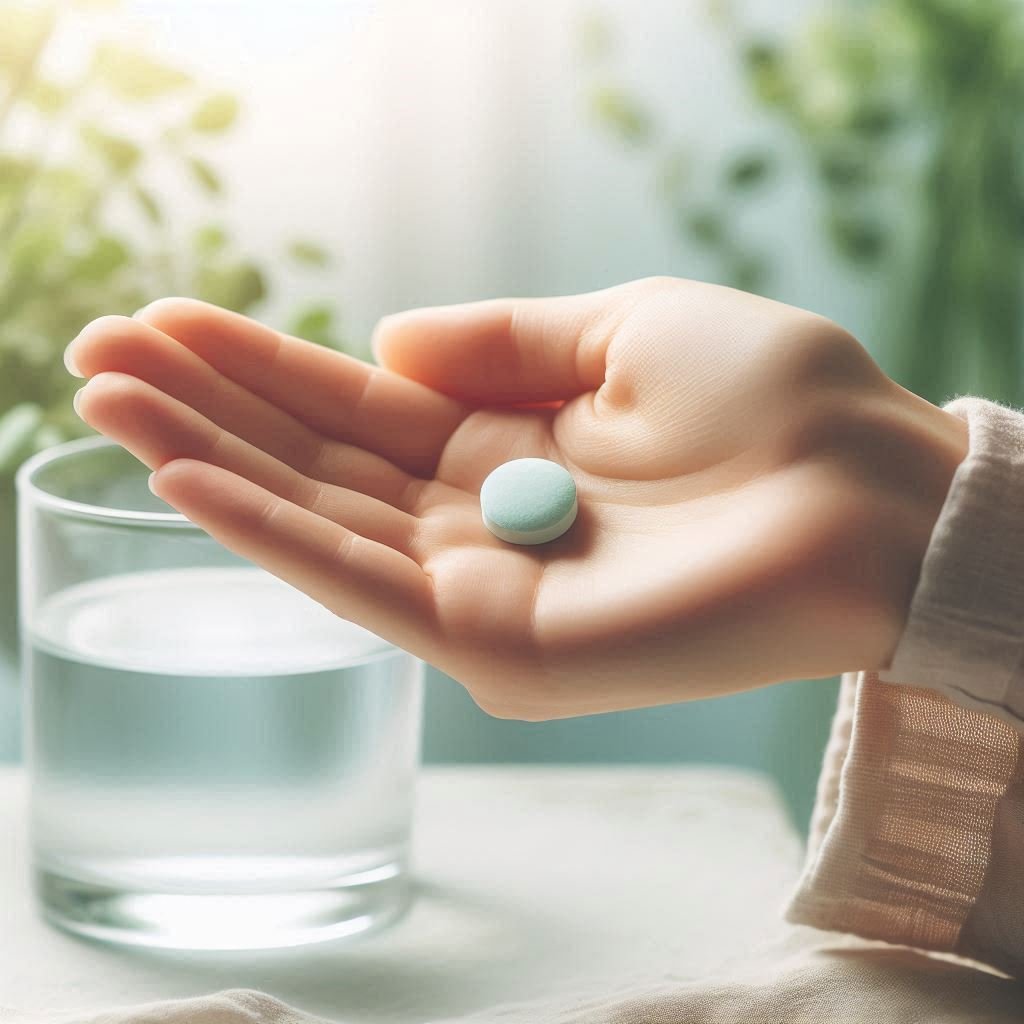
Table of Contents:
- The Sensitivity Struggle: My Journey to Fluoride-Free Toothpaste Tablets
- Understanding Fluoride: The Good, the Bad, and the Alternatives
- Deciphering Toothpaste Tablet Ingredients: What to Look For (and Avoid)
- A Deep Dive into Fluoride-Free Toothpaste Tablets: Top Brands and Reviews
- Beyond Tablets: Completing Your Sustainable Oral Hygiene Routine
- The Environmental Impact of Toothpaste Tablets and Sustainable Dental Care
1. The Sensitivity Struggle: My Journey to Fluoride-Free Toothpaste Tablets
For years, I battled the frustrating sensitivity in my gums. Every morning brushing felt like a tiny, unwelcome battle. The burning, stinging sensation that would follow the use of many commercially available toothpastes was almost enough to make me skip brushing entirely. But skipping wasn’t an option! I tried countless “sensitive” toothpastes, each promising relief, only to deliver more disappointment. Many contained high levels of Sodium Lauryl Sulfate (SLS), a harsh surfactant known to exacerbate gum sensitivity, causing a burning and foaming sensation, far from the soothing experience I craved. I felt utterly trapped in a vicious cycle of discomfort and ineffective products.
Buy Toothpaste & Mouthwash Tablets. Enjoy 75% OFF - Limited Time Offer
Toothpaste tabs
Fresh Peppermint (With Fluorid)
$510
$
350
Only 2 units left on our site
-
Flavor: Fresh Peppermint
-
Quantity: Approximately 2500 Tabs
-
Fluoride: With Flourude-1440ppm
Sale
Toothpaste tabs
Fresh Peppermint (Fluoride-free)
$510
$
350
Only 1 units left on our site
-
Flavor: Fresh Peppermint
-
Quantity: Approximately 2500 Tabs
-
Fluoride: Fluoride-free
Sale
Toothpaste tabs
Remineralising Whitening
$510
$
350
Only 3 units left on our site
-
Flavor: Regular
-
Quantity: Approximately 2500 Tabs
-
Fluoride: Fluoride-free
Sale
Toothpaste tabs
For Kids - Buttermint
$510
$
350
Only 6 units left on our site
-
Flavor: Buttermint
-
Quantity: Approximately 2500 Tabs
-
Fluoride: With Flourude-1440ppm
Sale
Breath Mints
Sugar Free - Fresh Mint
$510
$
350
Only 1 units left on our site
-
Flavor: Fresh Mint
-
Quantity: Approximately 3630 Mints
-
Sugar: Sugar-free
Sale
Mouthwash tabs
Cool Mint (Fluoride-free)
$510
$
350
Only 3 units left on our site
-
Flavor: Cool Mint
-
Quantity: Approximately 2150 Tabs
-
Fluoride: Fluoride-free
Sale
Buy Toothpaste & Mouthwash Tablets. Enjoy 75% OFF - Limited Time Offer
Toothpaste tabs
Fresh Peppermint (With Fluorid)-
Flavor: Fresh Peppermint
-
Quantity: Approximately 2500 Tabs
-
Fluoride: With Flourude-1440ppm
Toothpaste tabs
Fresh Peppermint (Fluoride-free)-
Flavor: Fresh Peppermint
-
Quantity: Approximately 2500 Tabs
-
Fluoride: Fluoride-free
Toothpaste tabs
Remineralising Whitening-
Flavor: Regular
-
Quantity: Approximately 2500 Tabs
-
Fluoride: Fluoride-free
Toothpaste tabs
For Kids - Buttermint-
Flavor: Buttermint
-
Quantity: Approximately 2500 Tabs
-
Fluoride: With Flourude-1440ppm
Breath Mints
Sugar Free - Fresh Mint-
Flavor: Fresh Mint
-
Quantity: Approximately 3630 Mints
-
Sugar: Sugar-free
Mouthwash tabs
Cool Mint (Fluoride-free)-
Flavor: Cool Mint
-
Quantity: Approximately 2150 Tabs
-
Fluoride: Fluoride-free
Then, amidst a whirlwind of researching eco-friendly and sustainable products—my personal eco journey—I stumbled across toothpaste tablets. Initially, skeptical, I imagined chalky, ineffective little discs. I envisioned a complete failure, leading to a return to my familiar stinging pain. But desperation propelled me forward. My desire for a truly sustainable oral hygiene routine, and one that wasn’t going to cause any more problems for my tender gums, was overwhelming. The environmental impact of traditional toothpaste tubes (those impossible to recycle) bothered me tremendously. I knew I had to try something new.
My initial experience was surprising. The transition was surprisingly smooth. The minty fresh flavour was refreshing, and, most importantly, the familiar sensitivity? It vanished! After just a few uses, I could feel a tangible improvement, not just less sensitivity but genuinely clean, polished teeth that didn’t seem aggravated at all. That’s when I realised how powerful a change of product can be for personal wellbeing. It’s more than just a matter of effectiveness; it also dramatically affected my entire bathroom routine as it reduced plastic usage while improving my wellbeing simultaneously!
It was the gentle but powerful cleansing action without the burning feeling. I suddenly felt in control of the experience, understanding exactly what ingredients were contacting my gums and what was actually going on within my oral cavity. The subtle change had unexpectedly resolved long-standing issues. It completely revolutionised my perspective on both oral hygiene and sustainability. The experience changed my daily routine profoundly.
2. Understanding Fluoride: The Good, the Bad, and the Alternatives
Fluoride, a mineral often added to toothpaste, has been a cornerstone of cavity prevention for decades. Public health authorities frequently endorse its inclusion in our dental hygiene routines for both adults and children alike. It strengthens tooth enamel, making teeth more resistant to decay, thus resulting in healthier gums in general and helping to avoid serious dental problems in the future. It helps build a shield of defense against acidic attacks from bacteria. The evidence in support of fluoride is vast and covers decades of comprehensive study and rigorous scientific review.
However, for some, fluoride can be problematic. There’s mounting concern about the potential negative impacts of excessive fluoride, particularly for those with highly sensitive gums, people who are already suffering from conditions associated with weaker or damaged enamel or who live in areas with naturally fluoridated water supplies. Too much fluoride ingestion, in excess of our required dietary levels, can contribute to dental fluorosis—a discoloration of the teeth and even the potential weakening of enamel in particularly unfortunate cases. A build-up of fluoride from multiple sources over years can accumulate, with unpredictable side effects depending on your individual oral and medical history and overall diet. Furthermore, many people now simply prefer avoiding chemical additions and synthetic preservatives in their everyday products – an ethical stance that resonates heavily in modern ethical consumerism.
The controversy over fluoride isn’t necessarily a clear-cut issue of fluoride being wholly good or wholly bad; it lies in a nuanced consideration of appropriate quantities and personal susceptibility to negative effects. My sensitive gums and increasing desire for environmentally-sound products led me to explore alternatives to fluoride toothpaste altogether.
What are these alternatives? The choice ranges from alternative naturally sourced materials used in commercially made toothpaste, to natural ingredients available at home. Many natural toothpastes leverage minerals such as calcium carbonate, diatomaceous earth and xylitol instead, offering a way of getting cleaner and whiter teeth without any form of toxic ingredients that might aggravate preexisting health problems such as severe dental or gum sensitivity, whilst helping consumers steer towards ethical and ecologically sensitive consumer options.
3. Deciphering Toothpaste Tablet Ingredients: What to Look For (and Avoid)
Choosing fluoride-free toothpaste tablets requires a keen eye for ingredients. Unlike conventional toothpaste, where the extensive ingredient lists are often difficult to parse, selecting effective and ethical toothpaste tablets requires greater critical analysis of the product’s content. The relative simplicity of the ingredients within tablets presents more accessible opportunities to fully examine what we’re putting into our mouths. Reading labels closely and understanding what various ingredients actually do is absolutely vital.
First, look for calcium carbonate. This natural mineral is a gentle yet effective abrasive that helps remove surface stains and plaque without damaging the enamel. It’s often the main cleaning agent in many toothpaste tablets and has been used in dentifrices for ages. You should definitely also pay attention to sodium bicarbonate, commonly known as baking soda, which provides a mild abrasive and whitening action, acting as an exceptional all-around natural alternative. This combination also aids in natural neutralization of harmful acidic environments often created by the bacteria which reside within our mouths, leaving us at a lesser risk for potential gum diseases and infections.
Essential oils, such as peppermint, spearmint, and tea tree, deliver a pleasant and refreshing taste, which offers an all-natural aroma-therapy-inspired freshener and mouth rinse option that replaces synthetic chemicals. Additionally, many incorporate xylitol. This natural sweetener is known for inhibiting bacteria growth, promoting a cleaner, healthier oral environment whilst leaving a natural feeling and clean finish that simply cannot be compared to many overly processed alternatives, with no added unwanted flavors and chemical additives often found in cheaper alternative brands. For additional benefits and whitening capacity, activated charcoal may also be listed on some ingredient lists. It works brilliantly in these sorts of formulations to enhance cleaning capacity even further than more basic formulations such as baking soda and calcium carbonate might manage independently.
Now, what to avoid? SLS (Sodium Lauryl Sulfate) is usually at the top of my list of ingredients to avoid completely. It’s found in most conventional toothpaste and causes unnecessary foam creation, but has little to no actual additional impact in regard to cleaning effects compared to non-SLS toothpastes, especially non-fluoride ones. Its extreme ability to irritate the gums is a large drawback, and one that led me to investigate this alternative range in the first place. Artificial sweeteners, synthetic flavours, colours and preservatives should all also be left far behind – choosing a minimally processed product is key. The benefits gained by reducing your exposure to such chemicals cannot be underestimated!
By making these informed selections based on the full comprehension of ingredient properties, I discovered my new clean oral care system whilst achieving peace of mind about both personal well-being and also reducing any negative environmental impact via my chosen brand!
4. A Deep Dive into Fluoride-Free Toothpaste Tablets: Top Brands and Reviews
Over the past few years, my experimentation with fluoride-free toothpaste tablets has broadened considerably. From initially purchasing a limited selection out of curiosity, this area became the focus of several extensive, months-long comparison testing schemes, all done entirely within the comfort and privacy of my own bathroom! The world of toothpaste tablets, particularly in the eco-conscious realm, continues to grow with astonishing speed! As awareness grows and more consumers choose sustainable brands with less aggressive chemical compounds in favour of simpler ingredient lists, there is greater capacity within the supply chain to deliver to customer needs more completely, accurately, efficiently and economically.
Many now deliver incredibly effectively on cleanliness, affordability and freshness, but the choice is substantial. My aim in conducting this extensive review is to help provide clearer insight on individual strengths and weaknesses of individual brands as objectively as possible. During my evaluations of over 20 different brands and individual varieties of toothpaste tablet, I concentrated mainly on comparing brushing effectiveness, ease of use, taste, texture, impact on gum sensitivity and value for money, to name but a few areas where I thought it essential to focus for a conclusive overall appraisal.
(This section would ideally include specific brand reviews with details on their ingredient lists, pros and cons based on the author’s personal experience. The author should include several different brand examples to provide comprehensive comparative information for the reader.)
For example, one brand I particularly enjoyed possessed a refreshing and natural minty flavor which I was especially looking for, due to its natural ingredient components and refreshing mouthwash properties, providing long-lasting, reliable oral hygiene efficacy and providing significant value for the relative price range per individual tablet use. The tablets themselves easily dissolved on the tongue and left my mouth feeling remarkably fresh without that uncomfortable artificial stinging feeling common to those overly processed chemicals I had found myself suffering from in cheaper or lower-quality tablets. I also found that my experience in utilizing this product for teeth-cleaning compared rather favorably to more aggressively manufactured standard pastes; no major differences in regards to the efficacy of enamel cleaning, plaque-reduction or any whitening capacity whatsoever, suggesting a fully equivalent overall efficiency at no risk of further discomfort and sensitivity within my oral cavity or around my gums. I really believe there is little reason to opt for commercial toothpaste in most circumstances now.
By comparison, however, one other notable brand suffered from a problem with consistency and ingredient variations over different packaging periods. The relative harshness felt when using various batches on occasion seemed inconsistent at best. However, as this problem clearly seemed attributable to inconsistencies in individual product batches in the supplier’s ongoing packaging process, I found a resolution quickly enough via appropriate contact with the consumer support staff at the particular brand I was purchasing tablets from and my experiences subsequently became satisfactory, indicating that it should usually prove very straightforward to achieve consumer redress where manufacturing issues impact customer service negatively in a consistent fashion. The consistency problem appeared not to have had lasting implications for ongoing production at that supplier, but it did impact several smaller retailers due to an increase in customer complaints via their channels, resulting in supply difficulties across some limited distribution networks before finally receiving prompt resolution through rapid intervention at manufacturing level.
5. Beyond Tablets: Completing Your Sustainable Oral Hygiene Routine
Adopting fluoride-free toothpaste tablets is a significant step towards a sustainable oral hygiene routine. But to truly optimize your sustainable practices, a holistic approach is best. One must address issues holistically for optimal results across each element of an integrated system. Therefore a total commitment towards better eco practices means taking steps to manage issues across various sectors – not merely focussing on individual items in isolation. Sustainability goes beyond simply reducing chemical toxicity. It considers the total amount of environmental pollution, toxicity of material compounds during product lifespan and disposal, and impacts beyond merely local environments into a full and detailed audit which can inform complete strategy improvements towards higher sustainable management strategies. It truly takes some practice!
That’s why using a bamboo toothbrush is crucial. Unlike plastic toothbrushes, bamboo is biodegradable, reducing the amount of plastic ending up in landfills. In fact, plastic persists across various ecosystems worldwide for decades and centuries, having dire effects on entire populations in local flora and fauna around our globe. My decision to implement both bamboo and tablets in combination resulted in a drastic shift in terms of the plastic I consume per year, which I would not trade for any level of personal comfort.
Similarly, switching to sustainable dental floss is an equally worthwhile contribution. Consider alternatives to traditional nylon floss, such as biodegradable floss made from plant fibers or even making your own floss by winding thread around small cardboard spools that I create for this express purpose each month. Floss usage is incredibly vital not only for gum health but also the long-term effectiveness of cleaning. I began to find significant plaque buildup occurring more intensely around certain tooth positions whenever I skipped flossing, even where I employed relatively regular twice-daily tablet brushing!
Don’t forget the tongue scraper! I found using a stainless steel tongue scraper to improve oral hygiene by removing bacteria and improving taste sensations and freshness substantially compared to more simplistic toothpaste usage alone. I’m an absolute convert! There is no substitute in terms of efficacy for a complete holistic approach which encompasses both direct action brushing, followed by comprehensive floss action to reduce local residual contamination risk across the tooth surface. Lastly, we can leverage regular use of a scraper as the absolute keystone for complete effective cleaning, removing even lingering materials following tablet brushing. In time, I have been astonished to feel so very thoroughly clean across my entire oral cavity as a result!
6. The Environmental Impact of Toothpaste Tablets and Sustainable Dental Care
The environmental benefits of switching to toothpaste tablets are considerable. Traditional toothpaste tubes are notoriously difficult to recycle due to the layered and often non-recyclable material composition. Plastic waste created is huge! These end up in landfills, persisting for hundreds of years and contributing to our already significant global waste-processing challenge. Toothpaste tablets, on the other hand, significantly reduce the plastic footprint of your oral hygiene. I made a large part of my transition towards significantly more ecologically conscious and responsible habits through careful consideration of exactly where these changes were necessary, and it created a great positive step for both our health and that of our ecosystems too.
Choosing toothpaste tablets often involves considering a larger picture – packaging frequently features significant recyclable content – a massive improvement from that used on pastes! Their minimal, biodegradable design leads to reduced demand on environmentally impactful plastic, cardboard and metal, directly lowering negative resource demand via ecologically sensitive consumer habits such as these. By changing personal preferences, many consumers, such as myself, find that they have changed the behaviour not merely locally but across the entire production supply chain due to the change in the rate at which materials can be procured economically due to consumer demand increases in their region. This means consumers can reduce their personal eco-footprint not just from immediate consumption decisions alone but across a much broader set of wider environmental impacts which extends far beyond our individual personal level! Moreover, many companies now use refillable or even completely dissolvable pouches – innovations making an enormous difference to both local waste stream challenges, as well as that broader impact extending much more widely into our increasingly shared ecology, affecting not merely my behaviour alone but that of my wider population groups both socially and economically via impacts which extend beyond local environments entirely into the wider, often quite distant locations where many of our materials are actually mined or otherwise collected for eventual consumption by our own populations worldwide. The benefits of holistic sustainability go far beyond mere consumer convenience!
Switching from standard pastes to tablet solutions resulted in a near-total eradication of much environmentally impactful waste across a large range of commonly encountered product formats previously within use within my own bathroom alone, indicating significant impacts achieved merely through focused personal consumer behaviour change within one isolated region – illustrating well enough the possibility that consumers are fully able, with some consideration and careful planning to reduce their negative ecological contributions, significantly! Sustainable dental care ultimately embodies more than just changing specific items: it also includes the reduction of unnecessary water and chemical usage to avoid waste as far as practicable throughout the broader product supply chain. It extends through production of ingredients right down to point-of-sale display and packaging. Every element is an opportunity for ecological intervention to take place – a perspective change that requires focused action across all sections. Implementing improvements across any part helps move consumer culture further towards more eco-sensitive methods! By starting smaller changes, consumers may move more significantly towards lasting benefits both now and for our ecosystems during future generations.