Table of Contents
- The SLS Debate: Why You Should Care About What’s in Your Toothpaste
- Toothpaste Tablets: A Sustainable Solution? Examining the Environmental Impact
- Fluoride or No Fluoride? Navigating the Toothpaste Tablet Choices
- Beyond the Tablets: A Holistic Approach to Sustainable Oral Hygiene
- Choosing the Right Toothpaste Tablets: A Buyer’s Guide & Personal Recommendations
- The Future of Oral Care: Innovations in Sustainable Dentistry
- The SLS Debate: Why You Should Care About What’s in Your Toothpaste
I’ve always been a bit of a label reader. It started with food, of course – checking ingredients, researching additives, trying to make the healthiest choices possible for my family. But that same awareness gradually extended to all areas of our lives, including our bathroom. That’s how I stumbled upon the SLS debate. SLS, or sodium lauryl sulfate, is a foaming agent found in countless everyday products, from shampoos and shower gels to… you guessed it, toothpaste. For years, I diligently brushed my teeth with whatever toothpaste was on sale, blissfully unaware of the potential impact of this ingredient.
Then I started reading. Articles and blog posts began appearing about the possible negative effects of SLS. Reports claimed it could irritate gums, cause canker sores, and even lead to longer-term oral health issues. I immediately checked the ingredient list on my beloved minty toothpaste. Sure enough, there it was – SLS. The ingredient responsible for that luxurious foam was apparently not so luxurious for my mouth after all!
Buy Toothpaste & Mouthwash Tablets. Enjoy 75% OFF - Limited Time Offer
Toothpaste tabs
Fresh Peppermint (With Fluorid)
$510
$
350
Only 2 units left on our site
-
Flavor: Fresh Peppermint
-
Quantity: Approximately 2500 Tabs
-
Fluoride: With Flourude-1440ppm
Sale
Toothpaste tabs
Fresh Peppermint (Fluoride-free)
$510
$
350
Only 1 units left on our site
-
Flavor: Fresh Peppermint
-
Quantity: Approximately 2500 Tabs
-
Fluoride: Fluoride-free
Sale
Toothpaste tabs
Remineralising Whitening
$510
$
350
Only 3 units left on our site
-
Flavor: Regular
-
Quantity: Approximately 2500 Tabs
-
Fluoride: Fluoride-free
Sale
Toothpaste tabs
For Kids - Buttermint
$510
$
350
Only 6 units left on our site
-
Flavor: Buttermint
-
Quantity: Approximately 2500 Tabs
-
Fluoride: With Flourude-1440ppm
Sale
Breath Mints
Sugar Free - Fresh Mint
$510
$
350
Only 1 units left on our site
-
Flavor: Fresh Mint
-
Quantity: Approximately 3630 Mints
-
Sugar: Sugar-free
Sale
Mouthwash tabs
Cool Mint (Fluoride-free)
$510
$
350
Only 3 units left on our site
-
Flavor: Cool Mint
-
Quantity: Approximately 2150 Tabs
-
Fluoride: Fluoride-free
Sale
Buy Toothpaste & Mouthwash Tablets. Enjoy 75% OFF - Limited Time Offer
Toothpaste tabs
Fresh Peppermint (With Fluorid)-
Flavor: Fresh Peppermint
-
Quantity: Approximately 2500 Tabs
-
Fluoride: With Flourude-1440ppm
Toothpaste tabs
Fresh Peppermint (Fluoride-free)-
Flavor: Fresh Peppermint
-
Quantity: Approximately 2500 Tabs
-
Fluoride: Fluoride-free
Toothpaste tabs
Remineralising Whitening-
Flavor: Regular
-
Quantity: Approximately 2500 Tabs
-
Fluoride: Fluoride-free
Toothpaste tabs
For Kids - Buttermint-
Flavor: Buttermint
-
Quantity: Approximately 2500 Tabs
-
Fluoride: With Flourude-1440ppm
Breath Mints
Sugar Free - Fresh Mint-
Flavor: Fresh Mint
-
Quantity: Approximately 3630 Mints
-
Sugar: Sugar-free
Mouthwash tabs
Cool Mint (Fluoride-free)-
Flavor: Cool Mint
-
Quantity: Approximately 2150 Tabs
-
Fluoride: Fluoride-free
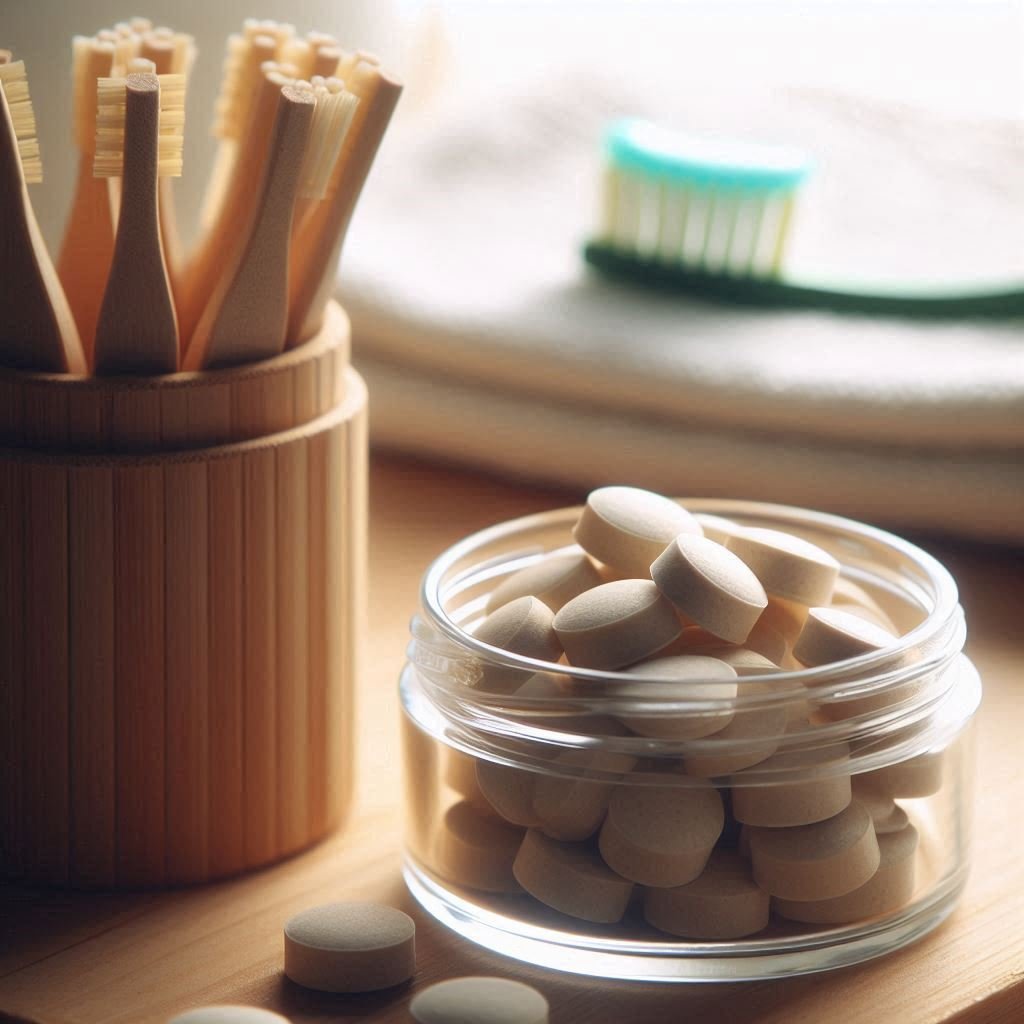
The thing is, it’s not just a personal choice; there’s also a broader environmental impact to consider. SLS isn’t readily biodegradable. Considering the sheer volume of toothpaste consumed globally, its presence contributes to environmental pollution, which obviously I find upsetting. So, I started exploring alternatives, which ultimately led me down the path of discovering toothpaste tablets. My journey toward sustainable dental habits also encompassed switching to a bamboo toothbrush. This step wasn’t solely about switching to tablets; I truly embraced the principle of environmental-friendliness in each choice that contributed to improving our dental care. It’s about eliminating plastics and reducing unnecessary packaging and chemicals; and switching to tablets contributed significantly toward these sustainability targets.
There’s even the matter of how our choices affect animal well-being. Though often less visible, the process of extracting SLS and making typical toothpaste has impacts that ripple through multiple environmental levels. For instance, while not immediately obvious, palm oil is often used in cosmetic formulations. When one purchases an SLS containing toothpaste it’s possible palm oil could be present and sourcing issues exist and are ethically concerning; so even beyond avoiding the possible effects of the foaming agent, reducing my household environmental impact by adopting tablets made the decision clearer. So considering the implications of what my choices did for animals was just one more step towards better understanding how this choice could be better for us, as well as for other forms of life.
Furthermore, there’s the emerging debate about whether SLS, although considered fairly low risk generally speaking, may contribute to sensitivity in long term use in some individuals; therefore it’s no surprise many companies that sell dental hygiene related goods began adding toothpaste tablets into their lineup. The more mindful the consumer has become about ingredients that enter the bloodstream or become airborne, it’s not shocking these low-impact toothpaste options have sprung to life on the shelves.
The more I researched SLS-free toothpaste, I discovered that switching was actually improving multiple parts of the overall ecology; there was less risk to the water system; less plastic ended up in landfills and less impact on ecosystems related to packaging was generated and thus the process of finding a toothpaste without SLS started being a less focused and ultimately easier and better decision to undertake.
- Toothpaste Tablets: A Sustainable Solution? Examining the Environmental Impact
Switching to toothpaste tablets was a significant shift for me, not only in terms of what I was putting in my mouth, but also the footprint my habits have. Initially it took some adjustment, going from familiar paste to solid tablets, but considering how the old habit worked, a sense of clarity took over and made it much easier to fully accept using this approach to a more sustainable form of tooth cleaning. I now take care in brushing much like before with far fewer negative effects environmentally and my concerns lessened. A simple change helped make all the other changes much simpler.
I find toothpaste tablets undeniably environmentally friendly compared to the plastic tubes. The elimination of plastic waste is an obvious benefit that stands out when you’re working towards creating an environmentally sounder choice that doesn’t just work but has many more layers of effect too. I love the fact that many brands use recyclable packaging or even ship the tablets directly as a concentrated product reducing packaging further by focusing less on extra materials; these packaging changes make up a very positive effect for many ecological benefits overall, and even help save many more lives from being damaged further environmentally too. That aspect really stood out in particular, considering my efforts of reducing our footprint on the environment around us, even something as minor as replacing a tube with an alternative had unexpectedly large ecological advantages which makes a surprising and meaningful difference in other parts of our routine too.
Moreover, the shipping processes for toothpaste tablets can also be remarkably carbon neutral, as many companies are utilizing smaller shipments and concentrating the product reducing fuel usage overall during the transport. This reduction, while perhaps seemingly minor compared to manufacturing plastics, greatly reduces overall negative environmental outcomes during transit of this good compared to traditional pastes which helps protect several different environments that help mitigate issues overall further than merely the small package itself. That overall result from such a minor choice just made things feel much more clear in general when I am selecting which choice helps my household the best!
Thinking about water usage in manufacturing, compared to liquid pastes there’s significant savings. Traditional paste takes tremendous volumes of water for manufacture. These are also products shipped long distances to end markets all across the world; water savings from shifting to toothpaste tablets directly affect water security concerns and shortages and further strengthens its standing when measuring its environmental impact positively. As a result I became increasingly less focused on changing what is in the tubes to rather where the packaging comes from and if the environmental cost of the overall choice is justified to even begin with before worrying so much over what the exact makeup was.
There’s, of course, a learning curve involved. The texture takes some getting used to and it’s definitely not what you may expect. When making this switch initially I discovered what had been clear before but the difference now feels quite significant in relation. Now the positive environmental choices help outweigh any initial negative impressions regarding feel or habit overall; however this also has been less an issue with the introduction of improved and updated technology overall within tablet-style toothpaste; its easier and nicer than I had been assuming at the very start!
To sum it all up: Less plastic, less water, often reduced shipping distance… the environmental benefits of switching to toothpaste tablets are really quite substantial. It felt great to discover that making even such a small step such as choosing a toothpaste had quite large ripple effects across so many ecological matters I wanted to consider during this adjustment period toward increased household ecological health!
- Fluoride or No Fluoride? Navigating the Toothpaste Tablet Choices
One of the key considerations when choosing toothpaste tablets is the presence or absence of fluoride. This has been a contentious topic for years, with strong opinions on both sides. Personally, I’ve always opted for fluoride toothpaste for my family. However, researching toothpaste tablets unveiled the prevalence of fluoride-free alternatives, bringing the topic directly into my daily life and leading to much deeper analysis than before ever imagined. Having seen such strong feelings surrounding this very issue initially this aspect took much deeper thinking to even try and settle this one part into what our family’s choice of dental health became at this time and it’s something that requires considering which decision becomes most accurate and healthy.
There are compelling arguments both for and against using fluoride. Fluoride, for decades lauded for its cavity-fighting abilities, adds minerals directly into our tooth’s enamel adding much-needed reinforcement to them which increases dental health massively. But increasingly, concerns are being raised about the safety and toxicity aspects of fluoride ingestion; excessive fluoride ingestion is toxic therefore moderating how much your household receives this can lead to much healthier results as it leads toward making use of products better and with better efficacy therefore I tried very strongly to select this choice as clearly and deliberately as I was choosing all the other features regarding toothpaste tablets for this phase.
So the question became how this could be factored in, because this single element requires many other facets of dental hygiene products. Because each toothpaste differs and several brands even offer their versions that change based on ingredients the aspect that needed solving was discovering what my household could easily afford without overstepping any household budgetary boundaries when trying out each type! When I’ve made changes across various categories often the total cost shifts, but trying to stay aware during this shift made that matter considerably less complex overall.
Then the question becomes; what type? After extensive investigation we were delighted that fluoride is easily found in other formats so reducing consumption can still make positive results! If it became an excessive cost to consume too much then simply reducing consumption is beneficial enough on it’s own; rather than focusing exclusively on consuming fluoridated products as long as our levels don’t increase above what our body processes that element this issue ends up working towards positive gains without much more further issues along the lines that could arise in changing toothpaste brands excessively over time due to expense!
For my family, we chose fluoride toothpaste tablets but actively monitored and measured intake; simply balancing consumption led us to the result and allowed for making several more changes successfully for our ongoing dental health. In other cases using additional non-fluoridated toothpaste might be better, however the initial considerations all still needed addressing because without such knowledge it becomes a matter of making much larger risks than before when it might just be preferable to focus purely on consuming this fluoridated type that we have found initially rather than considering alternatives at all that could have risked shifting our routine.
The crucial part in determining what becomes necessary or what results we feel more accurately reflect how much of what our routine contains that we may continue into later steps made it the highest factor influencing how we should conduct this aspect. Being aware throughout that whole consideration period helps lead to greater successes for larger factors influencing outcomes even in less significant ways.
- Beyond the Tablets: A Holistic Approach to Sustainable Oral Hygiene
Switching to toothpaste tablets was just one piece of a much larger puzzle in my quest for sustainable and eco-friendly dental care. While tablets significantly minimized plastic waste, that alone was not my only target area! A truly holistic approach to maintaining sustainable, environmentally conscious choices extends across all related factors.
The change also gave me a perspective towards thinking more sustainably beyond toothpaste. In my efforts towards developing habits based around sustainable and green alternatives this extended much further and included also switching to a bamboo toothbrush! For me the overall aesthetic has vastly improved across several steps into this newer aspect. It not only felt good knowing it reduced unnecessary plastic; even replacing my traditional brush felt great. I started by researching what aspects of ecological dentistry stood out in comparison, ultimately concluding it might only feel more aesthetically positive with the improvements!
Beyond the tangible change the addition of a tongue scraper helped address the matter further and the shift towards sustainable living was far easier than I was anticipating. Before undertaking many such large decisions regarding cleaning supplies it’s useful that the transition could be made to also replace older materials without changing my routines in very large ways. Even merely adopting a new scraping motion ended up working very well as a small shift; however with this extra shift now many habits work so much better than what could previously have happened at some earlier date.
To further broaden this approach I have investigated multiple additional topics; the research helped further increase awareness regarding issues arising in choosing what alternatives to utilize and what those would cause if shifted at later phases throughout this long ongoing project I am carrying out to shift toward more eco-conscious lifestyles in general, throughout household product utilization; thus I tried researching which aspects might feel best. To increase overall awareness many issues would likely require addressing such matters across much larger scales which ended up generating far greater levels of appreciation of how well several of these changes could work when selecting alternatives. It also led toward appreciating just how significant seemingly very minor aspects of routines are when seeking improved ecologically focused habits!
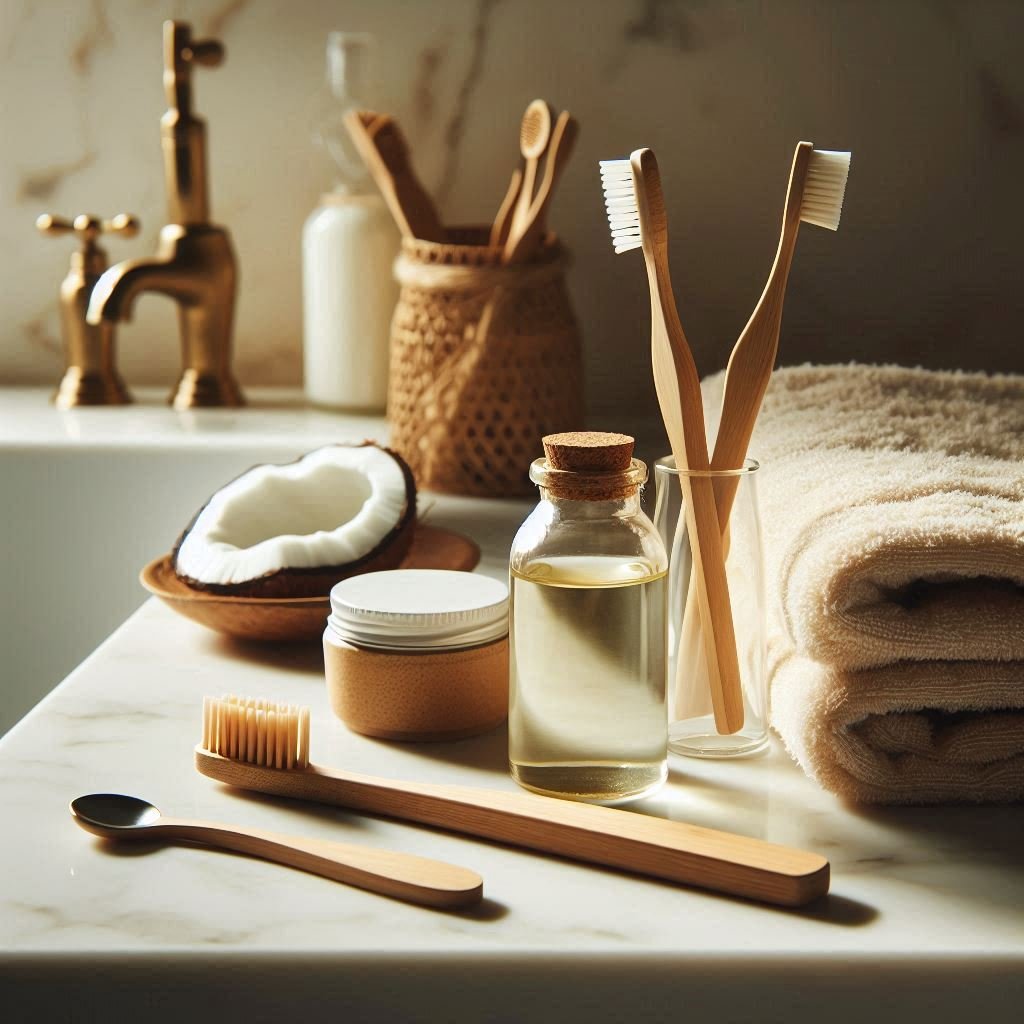
Additionally, my renewed focus on sustainable oral hygiene opened a door to the consideration of other elements in my daily hygiene. Using coconut oil on my face improved its health and overall feeling positively; the oil itself feels fantastic too. While coconut oil was used mostly for it’s ability to gently clean and moisturize my face and skin I also began paying more attention to selecting other reusable and recyclable supplies as these efforts spread throughout all forms of living materials including laundry soap. Choosing sustainable and better materials even for everyday uses ends up feeling far better overall with the increase of positive awareness and this extended itself widely as habits shifted more steadily towards more and more positive directions across each stage, as well as continuing towards better ecological improvements in our house.
This was further expanded into my dental hygiene which greatly increased the satisfaction of what felt positive when improving hygiene; initially I felt uncertain whether shifting away from pastes to newer products might cause complications. Those concerns mostly vanished and adopting this method had very significant improvement that were largely positive which contributed well towards establishing habits that are environmentally more conscious. I made considerable additional research regarding additional aspects including exploring issues of plastic waste, even discovering what plastics will never degrade; these details help raise consciousness. These discoveries help reinforce why changing this habit was justified; they ultimately prove just how significant shifting these aspects of oral care is when shifting towards ecological changes such as switching to bamboo toothbrush, refillable floss, a loofah instead of washcloths; each choice was based more and more from increasing my consciousness around my daily effects; so shifting toward a completely green and environmentally sustainable version felt not just right but something entirely better to experience overall.
- Choosing the Right Toothpaste Tablets: A Buyer’s Guide & Personal Recommendations
After experimenting with numerous brands of toothpaste tablets, I’ve learned a lot about what to look for and which aspects truly contribute the greatest differences overall. While every brand has its advantages and disadvantages my personal household preferences ended up finding its focus somewhere quite clearly as some choices proved themselves considerably more consistent across our use; a great balance could be achieved easily even in the selection for just the toothpaste choice. It even works out such that I had greater levels of control towards selecting what ends up more eco-conscious and sustainably minded for what products end up actually used as they contribute positively.
First off: consider the size of the tablets; many tablets come as little bits so make sure they can actually fit inside any toothbrush you are currently utilizing! The initial purchase stage ends up working towards being much simpler than it was assumed would have occurred previously in some early stage; selecting various options based around multiple criteria has now developed into focusing upon what specific matters are clearly considered superior and end up clearly justifying this overall style over what I might have picked otherwise.
Next up: The fluoride option becomes quite an important aspect because it directly factors into balancing consumption; after finding an alternative that felt sufficient enough both for cleaning power and ability to protect enamel my awareness focused significantly around the fact this becomes part of an ongoing ongoing balance overall. Being consistently conscious around this aspect remains one thing that contributes a large improvement on top of that already gained through eco conscious toothpaste shifts toward selecting other styles too.
Additionally: Flavors matter! Many of these versions simply have plain flavors or something subtly flavored to not cause interference towards taste that ultimately doesn’t interfere at later times. Finding one without unnecessary or unusual ingredients was easily managed so avoiding chemicals was achieved easily and successfully too. That made many of the other elements also work out favorably too and is among the better reasons why this ongoing effort towards improving oral care and using toothpaste in such more ecological approaches now works well for us, for reasons going beyond mere ecological matters in such aspects now.
My top recommendation after all that I have worked towards when researching has lead to selecting just those few key areas of focus so I end up feeling happier than I did before making such major adjustments to the dental care. Choosing this brand means several ecological improvements are easily possible without worrying excessively over too much extra consideration over how my family’s brushing has gone as a matter of long term ecological improvements; our results far surpass my own very best assumptions even on best-case predictions for long term use.
Finally, there is ongoing care needed. I have selected a tongue cleaner to go along with other selections, focusing upon the benefits for hygiene and ecological considerations. Using flossing consistently to remove the build-up of plaque along the gum line ended up working very well at this point as another matter of maintenance; for me these contribute the other positive changes such that improvements have extended so much further; I had begun originally from selecting ecological products as the original impetus to make larger household-level improvements from many years ago to where I am now currently, in the much better improved position that these now sustainable household habits has improved significantly throughout our ecological consciousness!
- The Future of Oral Care: Innovations in Sustainable Dentistry
The shift toward sustainable oral care isn’t just a passing trend. It’s a necessary movement, driven by both increasing environmental consciousness and rising demand for health conscious products. This suggests multiple positive effects that are sustainable into the distant future overall; there exists a very positive prospect in expecting better sustainability overall and with minimal ecological harm as a direct positive overall too; I have discovered the significant positive shifts resulting towards eco-friendly practices and as these methods increasingly get better such changes can easily continue growing into other directions positively.
I’ve personally noticed a rising innovative trend across the larger market, not simply in the form of eco friendly toothpaste alternatives but also in developing several improvements; this shift suggests the growth of such sustainability is also increasing significantly as newer habits arise from multiple industries involved with oral care and it feels encouraging. With these ongoing innovations likely causing further expansion to more products within multiple household maintenance systems I can more easily adjust our own habits to more easily accommodate such shifts going ahead! By remaining mindful in choosing brands I have made a great deal of ongoing improvement over what had originally been intended at the starting stages in my pursuit of greener hygiene alternatives several years ago.
Innovations are focusing on completely eliminating all plastic from multiple other daily hygiene factors. Refillable toothpaste tubes, recyclable containers for floss and oral rinses will likely end up becoming the standard at some point. By keeping my attention actively toward eco-friendly oral products I’m fully able to support all of this and by selecting more widely towards sustainably sourced toothpaste or cleaning products I contribute toward further improvement overall as I anticipate further eco friendly versions arise from ongoing improvement within this sector for the decades to come! I feel positively inclined to keep adjusting where such shifts will improve over even what has worked up to this point. I have great confidence ongoing awareness will simply work as positive feedback toward ecological friendly oral hygiene habits and will only improve upon those.
Overall: My journey to sustainable oral hygiene is a story of consistent evolution; it was a story of discoveries and ongoing adaptation toward improving that goal. The introduction of toothpaste tablets was an integral step in shifting toward a lower waste version but it continues; that same drive extends broadly, across each element to continuously seek to decrease the household’s negative effects to help the planet too.
I envision a future where sustainable dental practices aren’t simply a niche market, but the standard. The industry’s innovation toward increasing ecological awareness in these fields shows great promise, especially considering how rapidly technology continues evolving alongside an even rapidly expanding increase within ecological mindfulness and the expanding public understanding. In all it feels tremendously exciting to consider that by keeping my practices updated our future looks significantly improved in that ecological sense as better environmentally aware changes arise in both small steps such as switching to toothpaste tablets and more comprehensive large alterations from improving broader dental hygiene. We remain fully committed to choosing eco friendly products even years after such changes.