Table of Contents:
- Understanding the Risks of Harsh Whitening Products
- How Whitening Toothpastes Can Damage Your Enamel
- The Hidden Dangers of Teeth Whitening Gels and Strips
- Why Natural Whitening Alternatives Are Better for Your Smile
- The Environmental Impact of Whitening Products
- How to Achieve a Brighter Smile with Sustainable Oral Care
1. Understanding the Risks of Harsh Whitening Products
In our pursuit of a whiter smile, it’s easy to be lured in by the promises of quick and effortless results. Harsh whitening products such as teeth whitening strips, gels, and even certain toothpaste formulas often claim to give you a pearly-white smile in just a few uses. However, after personal experience and a deeper dive into dental health, I’ve come to understand that many of these products come with significant risks, particularly when they contain strong chemicals like hydrogen peroxide or sodium lauryl sulfate (SLS).
These ingredients are commonly found in teeth whitening products and are designed to break down the stains on your teeth. While they do a great job of whitening, they also pose a risk to your tooth enamel. The enamel is the outermost layer of your teeth, and it plays a crucial role in protecting the more sensitive layers beneath it. Harsh whitening chemicals can erode this enamel, leaving your teeth more vulnerable to decay and sensitivity.
In my early days of using whitening products, I noticed that my teeth became more sensitive after a few treatments. This wasn’t just a temporary sensation — it lingered. I learned that enamel, once eroded, doesn’t regenerate, which led me to stop using products that contained harsh chemicals. Additionally, repeated exposure to these products can make teeth appear more yellow in the long term, as the underlying dentin (the softer, yellowish tissue inside your teeth) becomes more exposed.
Buy Toothpaste & Mouthwash Tablets. Enjoy 75% OFF - Limited Time Offer
Toothpaste tabs
Fresh Peppermint (With Fluorid)
$510
$
350
Only 2 units left on our site
-
Flavor: Fresh Peppermint
-
Quantity: Approximately 2500 Tabs
-
Fluoride: With Flourude-1440ppm
Sale
Toothpaste tabs
Fresh Peppermint (Fluoride-free)
$510
$
350
Only 1 units left on our site
-
Flavor: Fresh Peppermint
-
Quantity: Approximately 2500 Tabs
-
Fluoride: Fluoride-free
Sale
Toothpaste tabs
Remineralising Whitening
$510
$
350
Only 3 units left on our site
-
Flavor: Regular
-
Quantity: Approximately 2500 Tabs
-
Fluoride: Fluoride-free
Sale
Toothpaste tabs
For Kids - Buttermint
$510
$
350
Only 6 units left on our site
-
Flavor: Buttermint
-
Quantity: Approximately 2500 Tabs
-
Fluoride: With Flourude-1440ppm
Sale
Breath Mints
Sugar Free - Fresh Mint
$510
$
350
Only 1 units left on our site
-
Flavor: Fresh Mint
-
Quantity: Approximately 3630 Mints
-
Sugar: Sugar-free
Sale
Mouthwash tabs
Cool Mint (Fluoride-free)
$510
$
350
Only 3 units left on our site
-
Flavor: Cool Mint
-
Quantity: Approximately 2150 Tabs
-
Fluoride: Fluoride-free
Sale
Buy Toothpaste & Mouthwash Tablets. Enjoy 75% OFF - Limited Time Offer
Toothpaste tabs
Fresh Peppermint (With Fluorid)-
Flavor: Fresh Peppermint
-
Quantity: Approximately 2500 Tabs
-
Fluoride: With Flourude-1440ppm
Toothpaste tabs
Fresh Peppermint (Fluoride-free)-
Flavor: Fresh Peppermint
-
Quantity: Approximately 2500 Tabs
-
Fluoride: Fluoride-free
Toothpaste tabs
Remineralising Whitening-
Flavor: Regular
-
Quantity: Approximately 2500 Tabs
-
Fluoride: Fluoride-free
Toothpaste tabs
For Kids - Buttermint-
Flavor: Buttermint
-
Quantity: Approximately 2500 Tabs
-
Fluoride: With Flourude-1440ppm
Breath Mints
Sugar Free - Fresh Mint-
Flavor: Fresh Mint
-
Quantity: Approximately 3630 Mints
-
Sugar: Sugar-free
Mouthwash tabs
Cool Mint (Fluoride-free)-
Flavor: Cool Mint
-
Quantity: Approximately 2150 Tabs
-
Fluoride: Fluoride-free
2. How Whitening Toothpastes Can Damage Your Enamel
Whitening toothpaste is often marketed as a safe and easy way to maintain a bright smile. It’s available in nearly every drugstore, promising a whiter smile after just a few uses. But what most people don’t realize is that many whitening toothpastes contain abrasive ingredients that can be too harsh on your enamel.
The abrasiveness of some whitening toothpastes is designed to scrub away surface stains on your teeth. However, frequent use of these abrasive formulations can wear down your enamel over time. I experienced this firsthand when I noticed that my teeth started to feel rougher after using a popular whitening toothpaste for several months. This roughness is a result of enamel erosion, which also made my teeth more susceptible to staining and sensitivity.
It’s essential to choose a toothpaste that not only helps whiten your teeth but also protects and nourishes your enamel. For instance, I’ve switched to using non-fluoride toothpaste and fluoride-free toothpaste options with natural ingredients. These options tend to be much gentler on your teeth while still helping to maintain a bright smile. Additionally, fluoride-free toothpaste is a better option for those who want to avoid the potential harmful effects of too much fluoride, such as fluorosis.
3. The Hidden Dangers of Teeth Whitening Gels and Strips
Teeth whitening gels and strips have become increasingly popular over the years due to their convenience and effectiveness. While they can give you noticeable results in a short period, they also come with their own set of risks. Many of these products contain high concentrations of hydrogen peroxide, a bleaching agent that can penetrate the enamel and irritate the gums.
I used whitening strips in the past and found that while they did brighten my smile, they also caused discomfort in my gums. This experience made me realize that the discomfort wasn’t just a minor irritation — it was a sign of potential damage from the harsh chemicals in the strips. Over time, repeated use of these whitening products can lead to increased tooth sensitivity, gum irritation, and even an imbalance in your mouth’s natural pH levels.
The truth is, achieving a brighter smile doesn’t have to involve harsh chemicals. Instead, I’ve turned to more natural alternatives, such as activated charcoal toothpaste and toothpaste tablets, which are much gentler on the teeth and gums. These options provide a subtle yet effective way to maintain a bright smile without the risks associated with peroxide-based products.
4. Why Natural Whitening Alternatives Are Better for Your Smile
As I’ve become more mindful of the products I use, especially in my oral care routine, I’ve discovered that natural alternatives not only whiten teeth gently but also provide additional health benefits. One of the biggest advantages of natural teeth-whitening options is that they typically avoid harsh chemicals and abrasive ingredients that can damage your enamel.
For example, one of my favorite natural alternatives to harsh whitening products is activated charcoal. Activated charcoal is a naturally occurring substance that can help absorb stains and toxins from your teeth without causing damage. I’ve found that using activated charcoal-based toothpaste a couple of times a week helps keep my teeth bright without the risks associated with peroxide-based products.
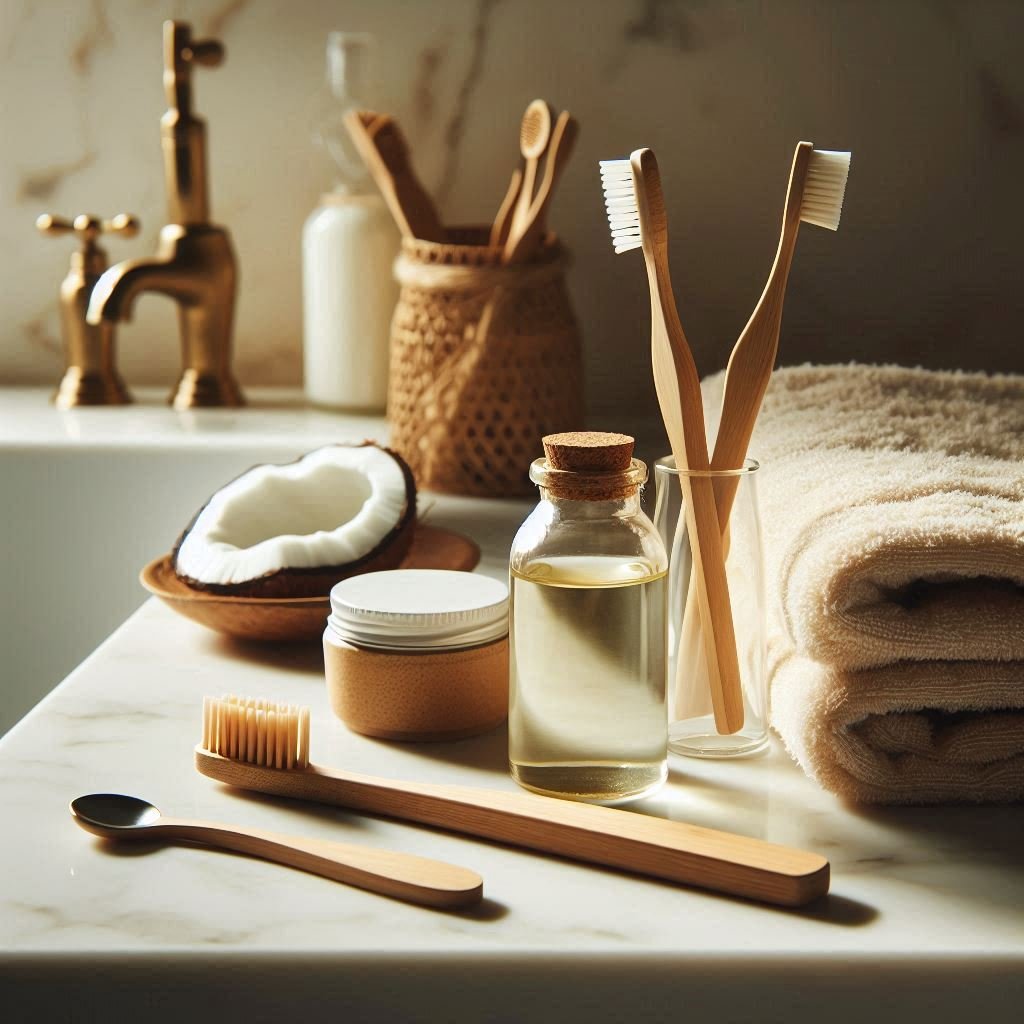
Another excellent natural whitening agent is coconut oil. Coconut oil has been shown to have antimicrobial properties, and it can be used in oil pulling to remove surface stains and bacteria from your mouth. I’ve incorporated coconut oil into my oral care routine, and it has not only helped whiten my teeth but also improved the overall health of my gums.
There are also more sustainable options available now, like toothpaste tablets (also known as toothpaste pills). These eco-friendly alternatives are free from harmful chemicals and are a great way to keep your teeth clean and white without resorting to harsh whitening agents.
5. The Environmental Impact of Whitening Products
In addition to the potential damage whitening products can cause to your dental health, it’s essential to consider their environmental impact. Many teeth-whitening products come in plastic packaging, contributing to the growing problem of plastic waste. In fact, it can take up to 500 years for plastic to decompose, and whitening product packaging is often not recyclable.
As someone who values sustainability, I’ve made a conscious effort to reduce my reliance on single-use plastic by opting for products that use biodegradable or recyclable packaging. Toothpaste tablets are an excellent alternative here, as they come in reusable glass jars or compostable packaging. This simple switch has made a significant difference in reducing my household’s plastic waste.
6. How to Achieve a Brighter Smile with Sustainable Oral Care
If you’re looking to achieve a brighter smile without relying on harsh whitening products, the key is to adopt a sustainable oral care routine that prioritizes both your dental health and the planet. I’ve found that the combination of natural teeth-whitening methods, such as activated charcoal and coconut oil, along with an eco-friendly approach to oral care, has been the most effective for maintaining a bright smile over the long term.
Here are some tips to get started:
- Switch to toothpaste tablets: These are a gentle, eco-friendly alternative to traditional toothpaste tubes, and they come in a variety of natural flavors that help keep your teeth clean and bright.
- Incorporate oil pulling into your routine: Using coconut oil for oil pulling can help remove stains naturally while also promoting gum health.
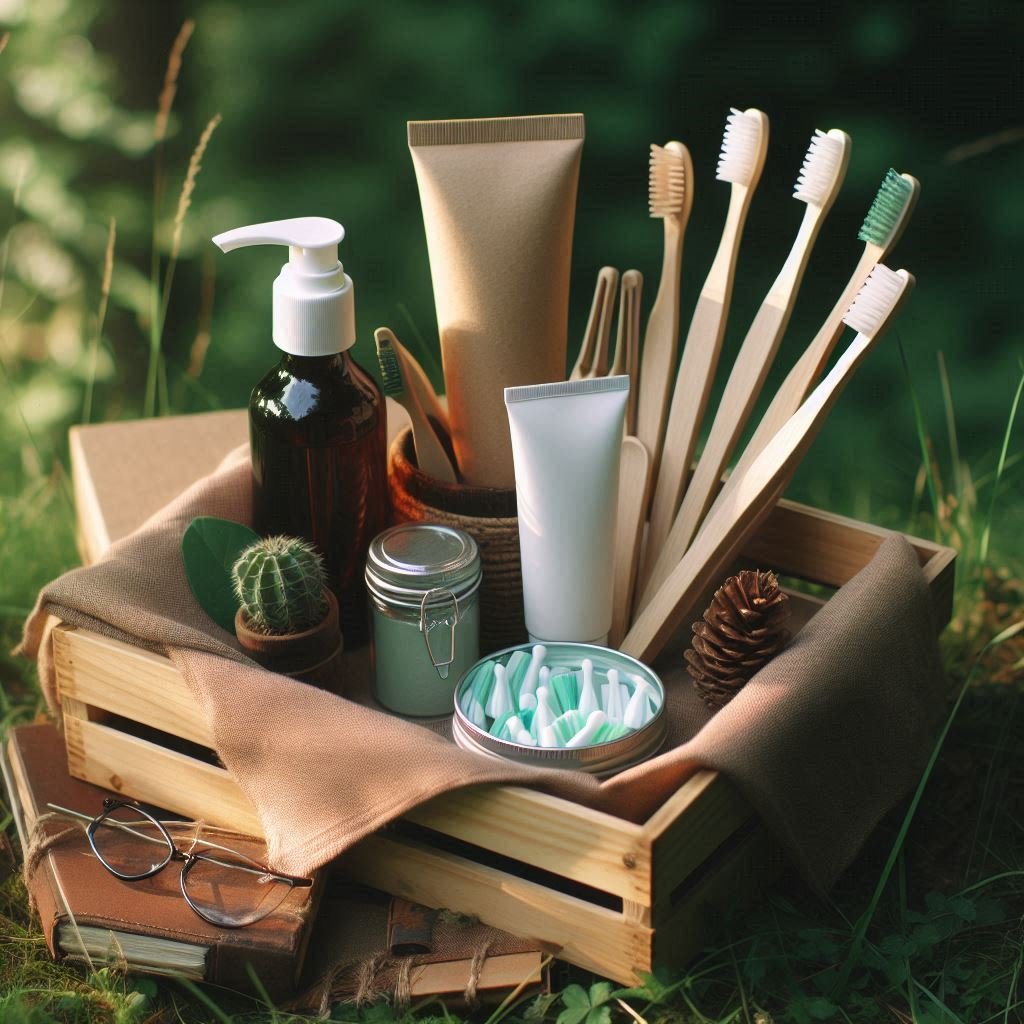
- Use a bamboo toothbrush: Not only are these biodegradable, but they also help reduce your carbon footprint.
- Invest in a tongue scraper: A tongue scraper can help remove bacteria from your mouth and further support your teeth whitening efforts.
- Consider natural whitening gels: There are whitening gels available that use natural ingredients like aloe vera and mint, which are gentle on the enamel.
By making these small but meaningful changes to your oral care routine, you can achieve a bright, healthy smile while minimizing your environmental impact.