Table of Contents:
- Introduction: The Appeal of Tooth Whitening Gel
- What is Tooth Whitening Gel?
- Active Ingredients in Whitening Gel
- Carbamide Peroxide vs. Hydrogen Peroxide: Key Differences
- How Does Tooth Whitening Gel Work?
- The Science Behind Whitening Gels
- Types of Stains and How Gel Addresses Them
- Types of Tooth Whitening Gels
- Over-the-Counter Whitening Gels
- Professional Whitening Gels
- Natural and Peroxide-Free Whitening Options
- Preparing Your Teeth for Whitening
- Oral Hygiene and Pre-Whitening Cleaning
- Avoiding Foods and Drinks That Cause Stains
- How to Test for Sensitivity Before Whitening
- Step-by-Step Guide to Using Tooth Whitening Gel Effectively
- Using Whitening Trays with Gel
- Applying Whitening Gel with Pens or Brushes
- Timing Your Whitening Sessions for Best Results
- Best Practices and Tips for Safe, Effective Whitening
- Managing Sensitivity and Side Effects
- Desensitizing Products and Tips for Reducing Sensitivity
- Managing Gum Irritation
- How Often to Use Tooth Whitening Gel for Maintenance
- Alternative Whitening Options to Complement Gel Use
- Frequently Asked Questions
- Conclusion: Achieving and Maintaining Your Brightest Smile
1. Introduction: The Appeal of Tooth Whitening Gel
A bright smile has a powerful effect on confidence and first impressions. Tooth whitening gel has gained popularity as an effective, accessible solution for a whiter smile, often providing more control over the whitening process than other options like strips or LED treatments. When applied correctly, whitening gel can yield visible results in a matter of days or weeks, lifting stains and brightening teeth from within.
Whitening gels are especially appealing because they offer flexibility. Users can choose from different strengths, types of application, and frequency of use. For example, some people prefer gradual whitening with over-the-counter products, while others seek faster, more dramatic results through professional gels. In this guide, we will walk through each aspect of using tooth whitening gel safely and effectively, helping you to achieve your ideal smile.
Buy Toothpaste & Mouthwash Tablets. Enjoy 75% OFF - Limited Time Offer
Toothpaste tabs
Fresh Peppermint (With Fluorid)
$510
$
350
Only 2 units left on our site
-
Flavor: Fresh Peppermint
-
Quantity: Approximately 2500 Tabs
-
Fluoride: With Flourude-1440ppm
Sale
Toothpaste tabs
Fresh Peppermint (Fluoride-free)
$510
$
350
Only 1 units left on our site
-
Flavor: Fresh Peppermint
-
Quantity: Approximately 2500 Tabs
-
Fluoride: Fluoride-free
Sale
Toothpaste tabs
Remineralising Whitening
$510
$
350
Only 3 units left on our site
-
Flavor: Regular
-
Quantity: Approximately 2500 Tabs
-
Fluoride: Fluoride-free
Sale
Toothpaste tabs
For Kids - Buttermint
$510
$
350
Only 6 units left on our site
-
Flavor: Buttermint
-
Quantity: Approximately 2500 Tabs
-
Fluoride: With Flourude-1440ppm
Sale
Breath Mints
Sugar Free - Fresh Mint
$510
$
350
Only 1 units left on our site
-
Flavor: Fresh Mint
-
Quantity: Approximately 3630 Mints
-
Sugar: Sugar-free
Sale
Mouthwash tabs
Cool Mint (Fluoride-free)
$510
$
350
Only 3 units left on our site
-
Flavor: Cool Mint
-
Quantity: Approximately 2150 Tabs
-
Fluoride: Fluoride-free
Sale
Buy Toothpaste & Mouthwash Tablets. Enjoy 75% OFF - Limited Time Offer
Toothpaste tabs
Fresh Peppermint (With Fluorid)-
Flavor: Fresh Peppermint
-
Quantity: Approximately 2500 Tabs
-
Fluoride: With Flourude-1440ppm
Toothpaste tabs
Fresh Peppermint (Fluoride-free)-
Flavor: Fresh Peppermint
-
Quantity: Approximately 2500 Tabs
-
Fluoride: Fluoride-free
Toothpaste tabs
Remineralising Whitening-
Flavor: Regular
-
Quantity: Approximately 2500 Tabs
-
Fluoride: Fluoride-free
Toothpaste tabs
For Kids - Buttermint-
Flavor: Buttermint
-
Quantity: Approximately 2500 Tabs
-
Fluoride: With Flourude-1440ppm
Breath Mints
Sugar Free - Fresh Mint-
Flavor: Fresh Mint
-
Quantity: Approximately 3630 Mints
-
Sugar: Sugar-free
Mouthwash tabs
Cool Mint (Fluoride-free)-
Flavor: Cool Mint
-
Quantity: Approximately 2150 Tabs
-
Fluoride: Fluoride-free
2. What is Tooth Whitening Gel?
Tooth whitening gel is a specialized product designed to lighten teeth by removing surface stains and discoloration in the enamel. The gel’s key ingredient is typically a peroxide compound, which is responsible for the whitening effects. Available in various formats—such as trays, pens, and brushes—whitening gels can be tailored to fit individual preferences and goals.
Active Ingredients in Whitening Gel
The most common active ingredients in tooth whitening gels are:
- Hydrogen Peroxide: Known for fast-acting whitening effects, it breaks down stains quickly but may cause more sensitivity in some users.
- Carbamide Peroxide: A gentler, slow-releasing form of peroxide, which is ideal for sensitive teeth and often found in at-home whitening kits.
Carbamide Peroxide vs. Hydrogen Peroxide: Key Differences
Hydrogen peroxide and carbamide peroxide are both effective whitening agents but differ in their speed and intensity. Carbamide peroxide breaks down into hydrogen peroxide when applied to teeth, meaning it works more slowly and may be less likely to cause sensitivity. Hydrogen peroxide is stronger and faster-acting, making it suitable for short, intense treatments like those administered by dentists.
3. How Does Tooth Whitening Gel Work?
Tooth whitening gels rely on a chemical reaction in which peroxide molecules penetrate the tooth enamel and break down stain compounds. This oxidation process lightens the color of the teeth, lifting stains that are caused by food, beverages, tobacco, and natural aging.
The Science Behind Whitening Gels
As peroxide decomposes, it releases oxygen molecules that penetrate the enamel and dentin, lifting stains from within the teeth. This process doesn’t affect the tooth structure but changes the color of the stains, making teeth appear whiter.
Types of Stains and How Gel Addresses Them
There are two primary types of stains:
- Extrinsic Stains: Surface stains from food, drinks, and tobacco. Whitening gel is very effective at treating these.
- Intrinsic Stains: Deep stains within the tooth caused by aging, trauma, or medication. Whitening gel can reduce these stains, but results may vary.
Whitening gels work best on extrinsic stains and may also improve some intrinsic stains with prolonged or professional treatments.
4. Types of Tooth Whitening Gels
Choosing the right type of whitening gel depends on your goals, sensitivity level, and desired speed of results. Here’s a breakdown of the main options:
Over-the-Counter Whitening Gels
These are available at pharmacies or online, and often come in concentrations of around 10-15% carbamide peroxide or 3-7% hydrogen peroxide. They are ideal for gradual whitening and are relatively gentle, though results may take longer.
Popular Products:
- Crest 3D White Whitening Gel
- Opalescence Go Whitening Trays
Professional Whitening Gels
Available through dental professionals, these gels contain higher concentrations of peroxide—ranging from 20-40%—and are often used with custom trays. They provide faster, more dramatic results but should be administered carefully to prevent sensitivity.
Popular Products:
- Zoom NiteWhite by Philips
- Opalescence Boost by Ultradent
Natural and Peroxide-Free Whitening Options
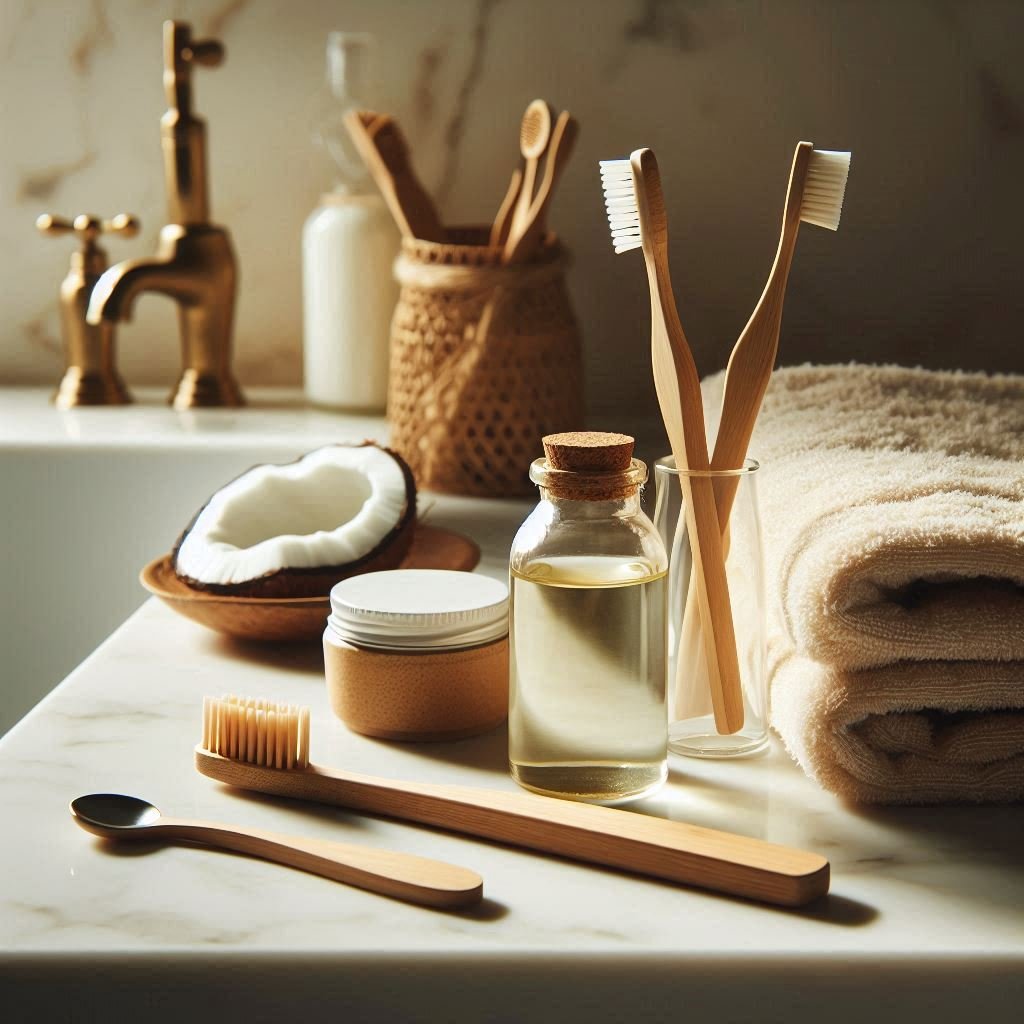
For those who prefer a gentler or peroxide-free approach, there are alternative gels using ingredients like baking soda, activated charcoal, or coconut oil. While these gels may not produce dramatic results, they can help maintain brightness and reduce surface stains.
Popular Products:
- Hello Activated Charcoal Whitening Gel
- Tom’s of Maine Natural Whitening Toothpaste Gel
5. Preparing Your Teeth for Whitening
To ensure even whitening and reduce sensitivity, it’s important to prepare your teeth before applying gel.
Oral Hygiene and Pre-Whitening Cleaning
- Brush and Floss: Clean your teeth thoroughly to remove plaque that could block the gel’s effectiveness. Avoid aggressive brushing as it can irritate gums.
- Consider a Professional Cleaning: For optimal results, a professional cleaning can remove buildup and ensure an even application.
Avoiding Foods and Drinks That Cause Stains
Before and after whitening, avoid foods and drinks that stain, like coffee, red wine, and berries. These items can slow your progress and counteract your whitening efforts.
How to Test for Sensitivity Before Whitening
If you have sensitive teeth, try applying a small amount of gel to one or two teeth for a shorter time. Observe any reactions, and consider starting with a lower-concentration gel if you experience discomfort.
6. Step-by-Step Guide to Using Tooth Whitening Gel Effectively
Using tooth whitening gel properly is crucial for achieving even, lasting results.
Using Whitening Trays with Gel
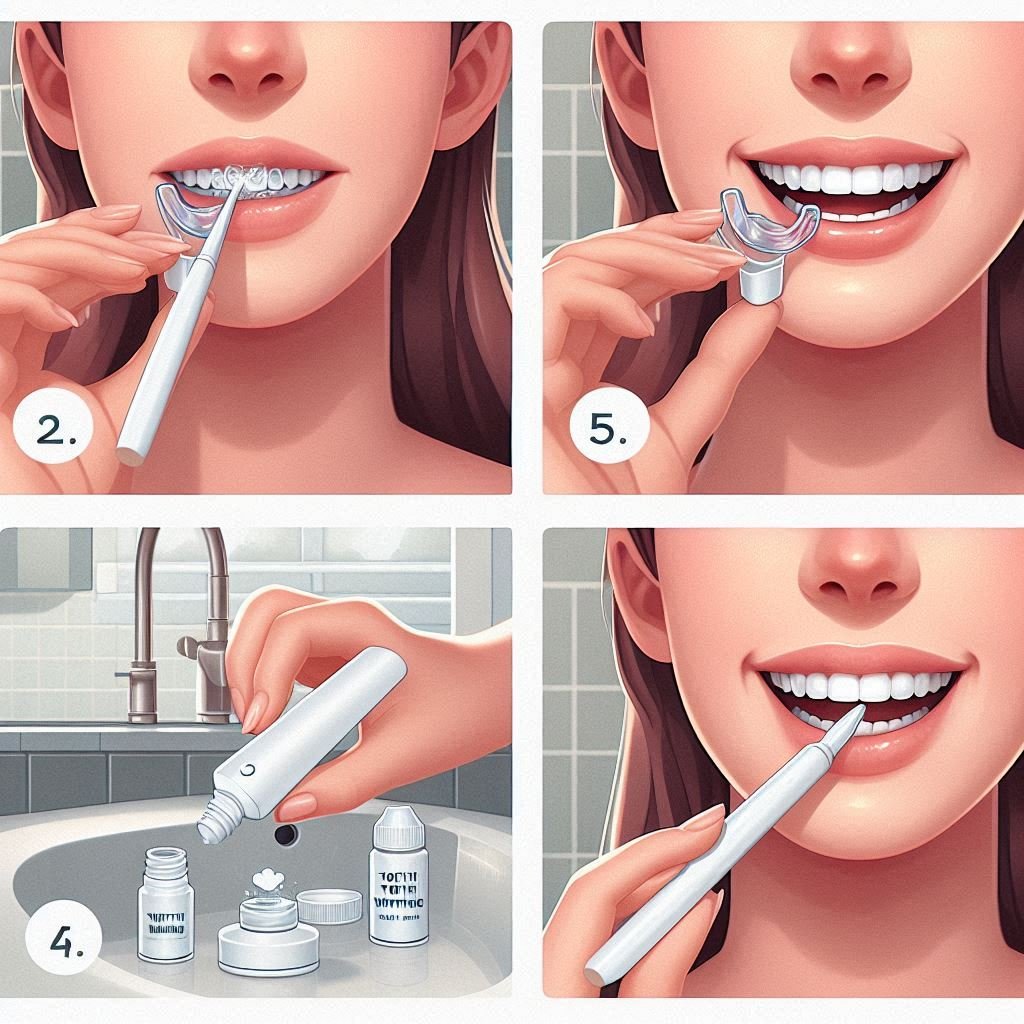
- Apply a Small Amount of Gel in the Tray: Squeeze a small bead along the inner front surface of each tray. Too much gel can cause overflow.
- Place the Tray Over Your Teeth: Ensure the tray fits snugly and covers each tooth evenly.
- Wipe Away Excess Gel: Excess gel can irritate gums; use a tissue or cotton swab to remove it.
- Follow the Timing Instructions Carefully: Most gels should be worn for 10-30 minutes, depending on concentration.
Applying Whitening Gel with Pens or Brushes
- Dispense the Gel: Twist the pen or use the brush to coat teeth in an even, thin layer.
- Focus on Front Teeth First: These are typically the most visible, so concentrate gel application here.
- Avoid Lips and Gums: Keep the gel only on the teeth to prevent irritation.
- Leave for the Recommended Duration: Pen and brush applications usually take 10-20 minutes.
Timing Your Whitening Sessions for Best Results
- Consistency: Use the gel as directed, typically once daily for a set period.
- Time of Day: Many people find evening applications reduce exposure to staining foods and drinks.
7. Best Practices and Tips for Safe, Effective Whitening
To optimize your whitening results while keeping your teeth healthy, follow these tips:
- Avoid Eating or Drinking for 30 Minutes Post-Application: This gives the gel time to settle without interference.
- Reduce Staining Foods: During the whitening process, minimize foods that stain like coffee, tea, and berries.
- Be Mindful of Product Expiration: Expired gel loses potency, so check expiration dates.
8. Managing Sensitivity and Side Effects
Tooth sensitivity is a common side effect of whitening. Here’s how to manage it effectively:
Desensitizing Products and Tips for Reducing Sensitivity
- Use Desensitizing Gel or Toothpaste: Products with potassium nitrate help soothe nerve endings and reduce discomfort.
- Lower Frequency if Needed: Consider spacing out applications to every other day if sensitivity persists.
Managing Gum Irritation
If whitening gel irritates your gums, use a barrier such as petroleum jelly, and avoid applying too much gel in the trays.
9. How Often to Use Tooth Whitening Gel for Maintenance
Consistency is key to keeping teeth white after the initial treatment period:
- For Initial Whitening: Follow the gel’s instructions, usually for 1-2 weeks.
- Maintenance Applications: Apply once every 2-3 months for touch-ups, depending on diet and lifestyle.
10. Alternative Whitening Options to Complement Gel Use
Tooth whitening gels can be combined with other methods for maintenance and enhanced results:
- LED Whitening Devices: Some gels are compatible with LED lights that accelerate whitening effects.
- Whitening Strips or Mouthwash: Use these sparingly as a complement to gel for short-term maintenance.
11. Frequently Asked Questions
Q: How long does it take to see results with tooth whitening gel?
A: Most users notice a difference within a week of consistent use, though results vary based on stain severity.
Q: Can whitening gel damage my teeth?
A: Whitening gel is safe when used correctly, but overuse can damage enamel.
Q: What should I do if I experience extreme sensitivity?
A: Discontinue use and consult your dentist if sensitivity is severe or prolonged.
12. Conclusion: Achieving and Maintaining Your Brightest Smile
Tooth whitening gel provides a convenient, customizable way to brighten your smile, but using it effectively requires care and consistency. By following these steps, choosing the right product, and practicing good oral hygiene, you can safely achieve and maintain a whiter smile. With a bit of patience and routine maintenance, your smile will stay radiant for years to come.